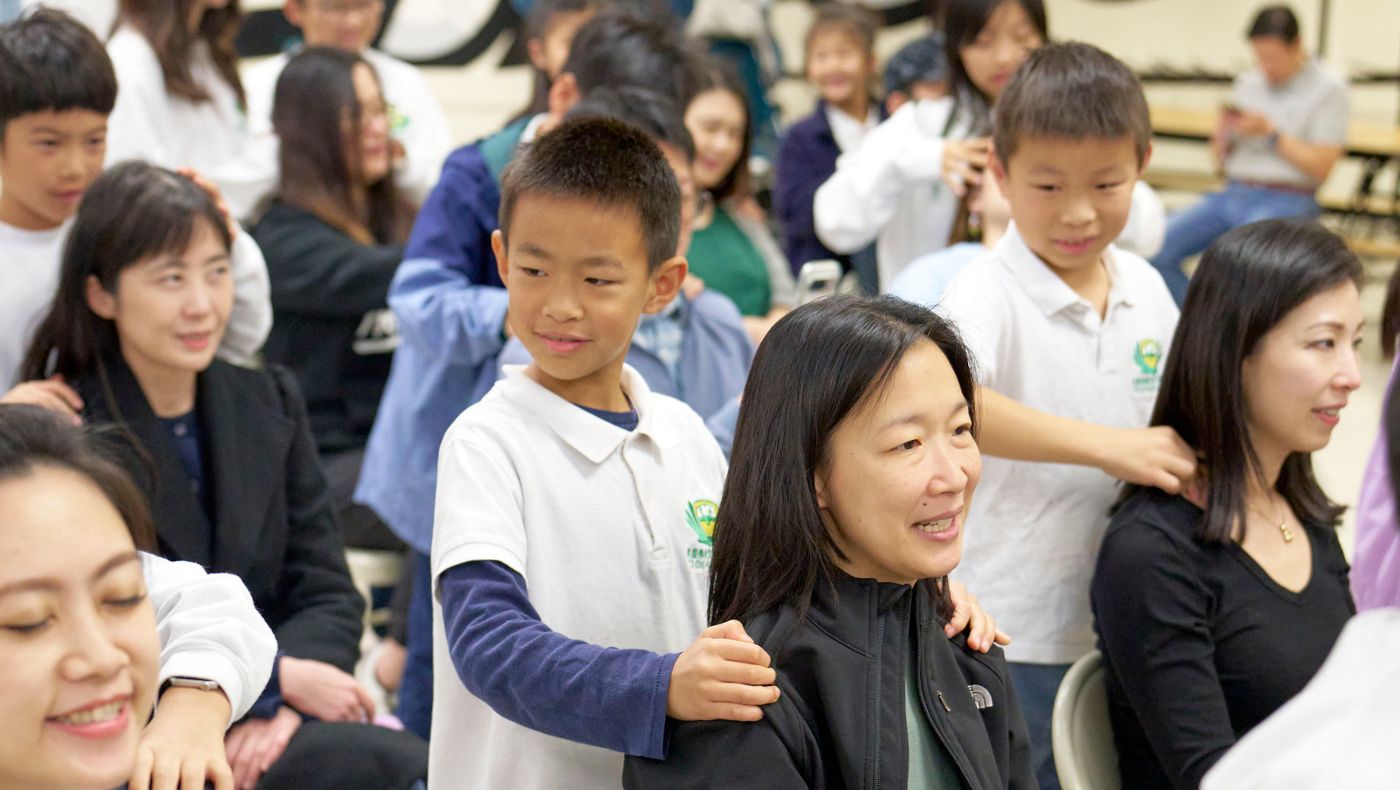
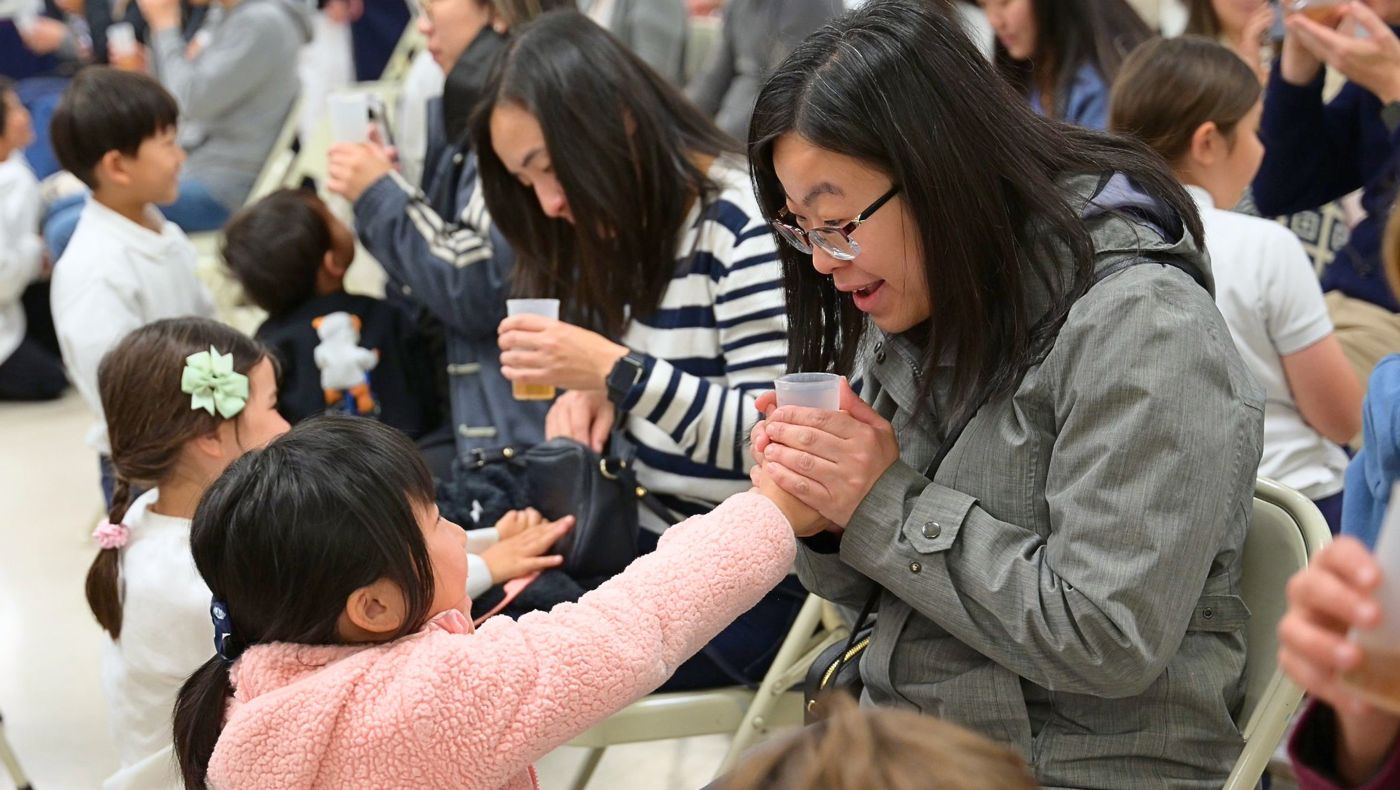
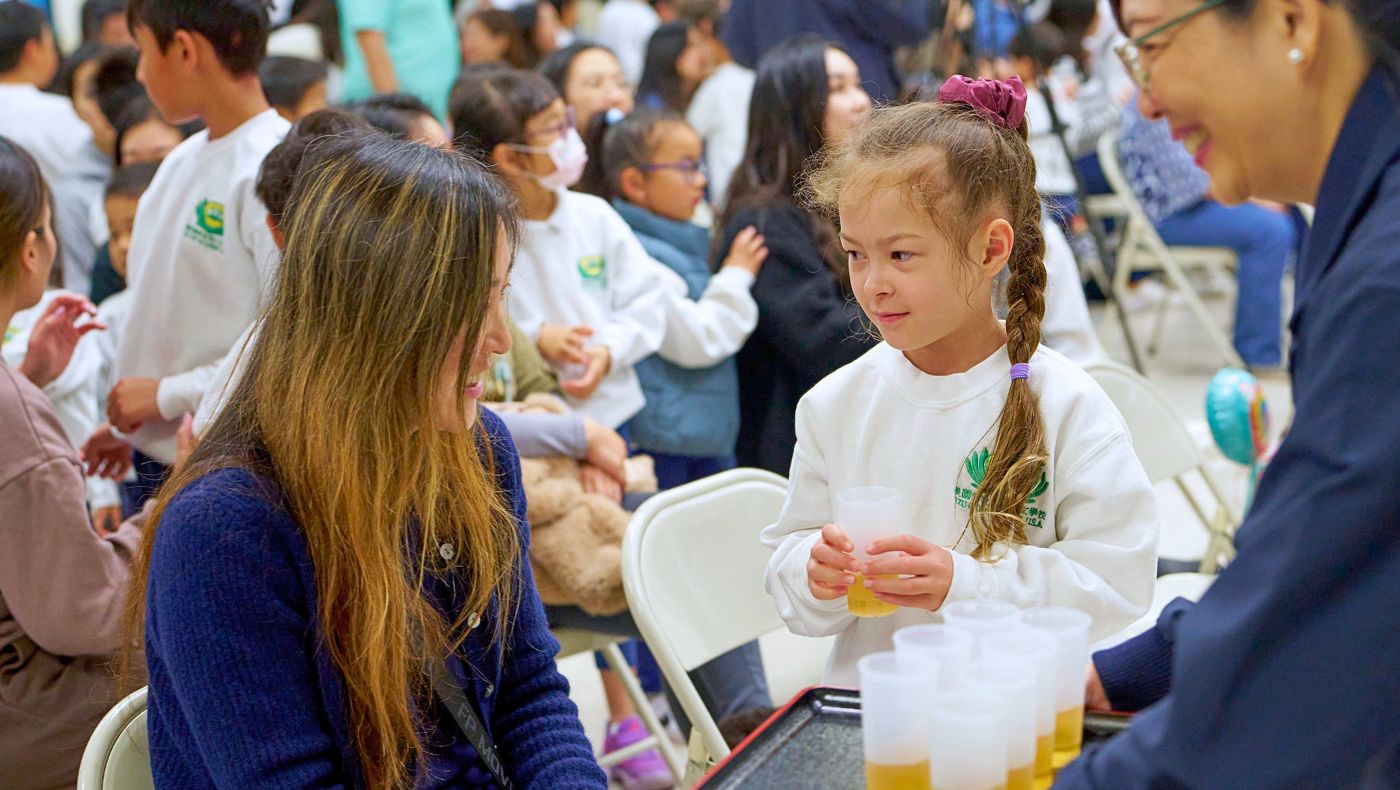
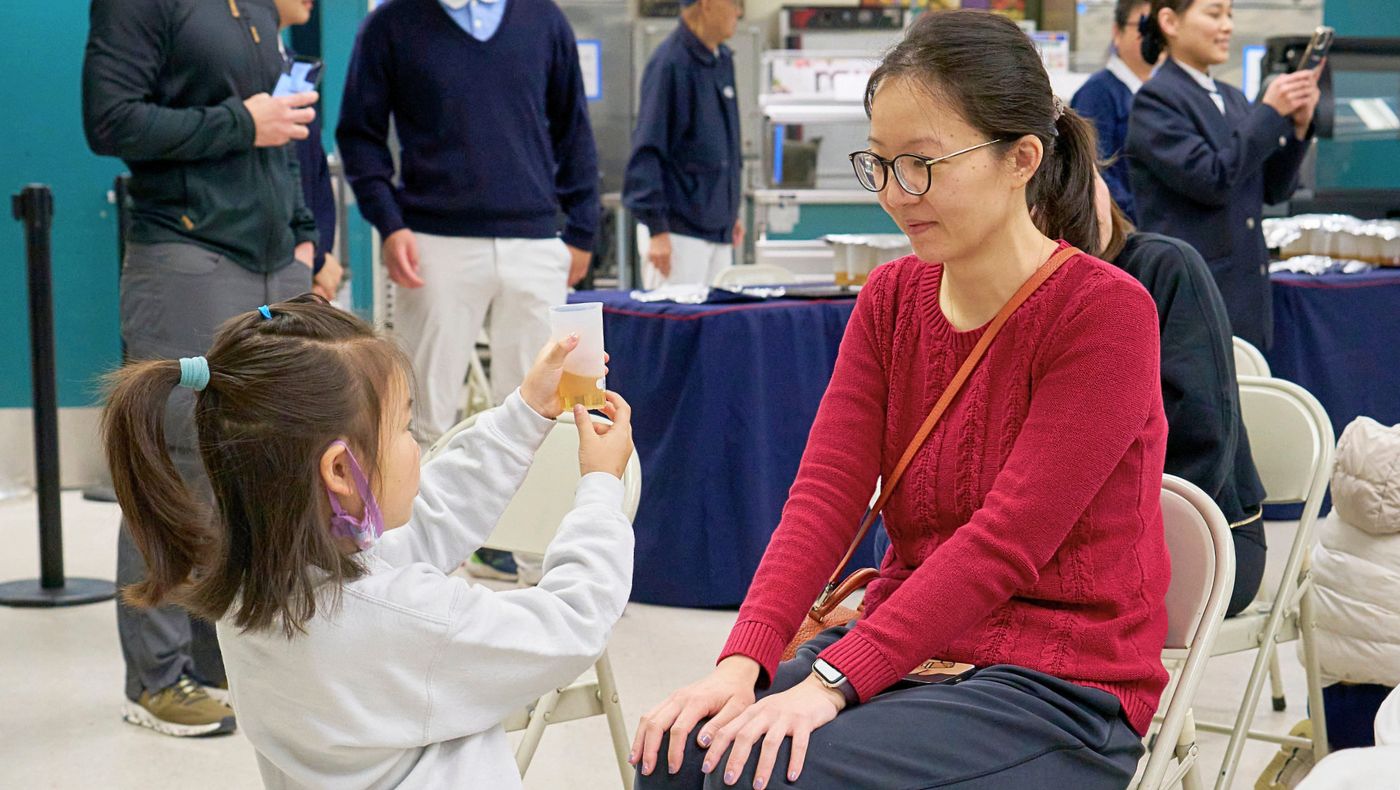
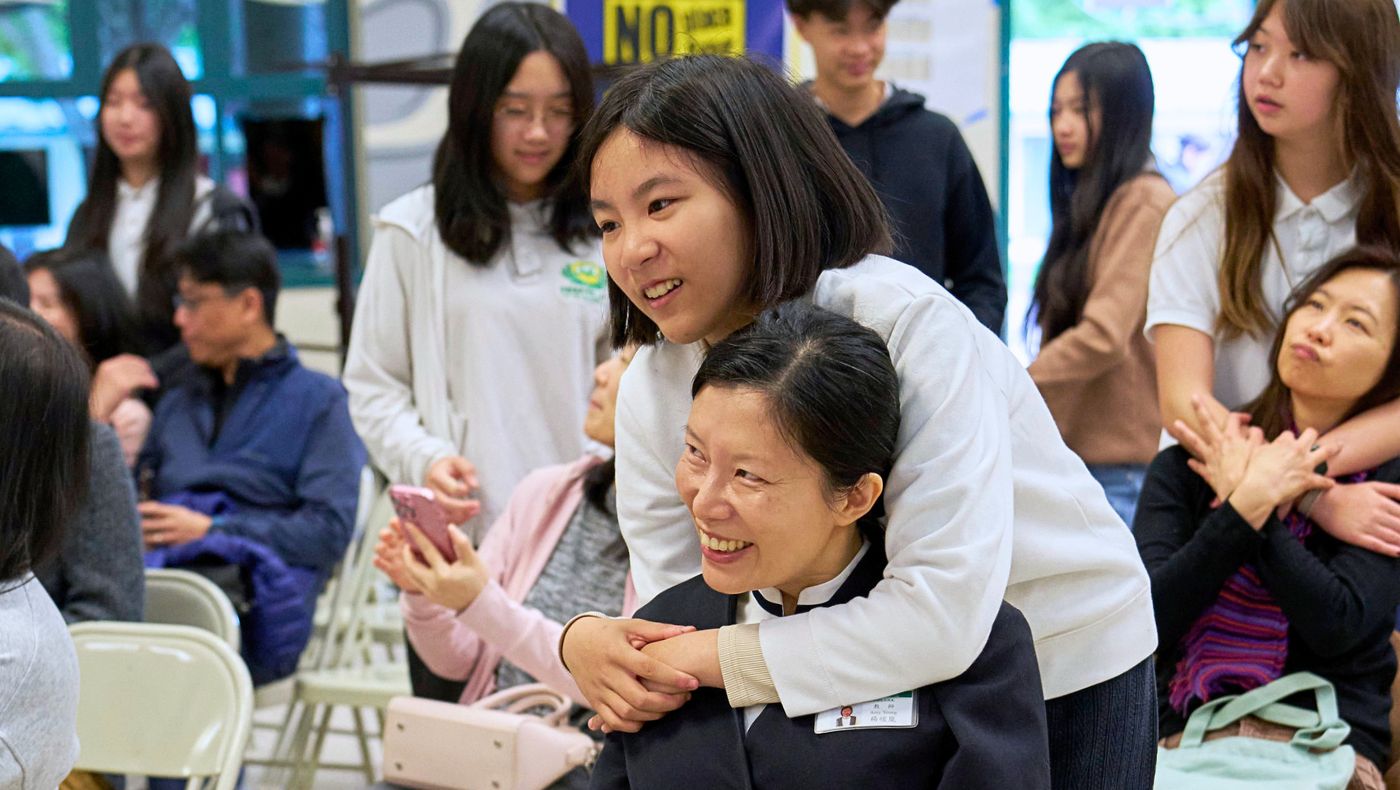
Children give their parents back massages during the Filial Piety Day activity. Photo / Nicholas Lim
Written by Renee Liu Translated by H.B. Qin
As part of Tzu Chi’s 60th anniversary celebrations, Tzu Chi Academy, Tri-Valley expanded its annual Filial Piety Day program to highlight the traditional value that “of all virtues, filial piety comes first.” Through a sign language performance of The Kneeling Lamb and a heartfelt tea-serving ceremony, students expressed gratitude to their parents through meaningful actions and personal reflection.
Learning from the Kneeling Lamb to Express Gratitude
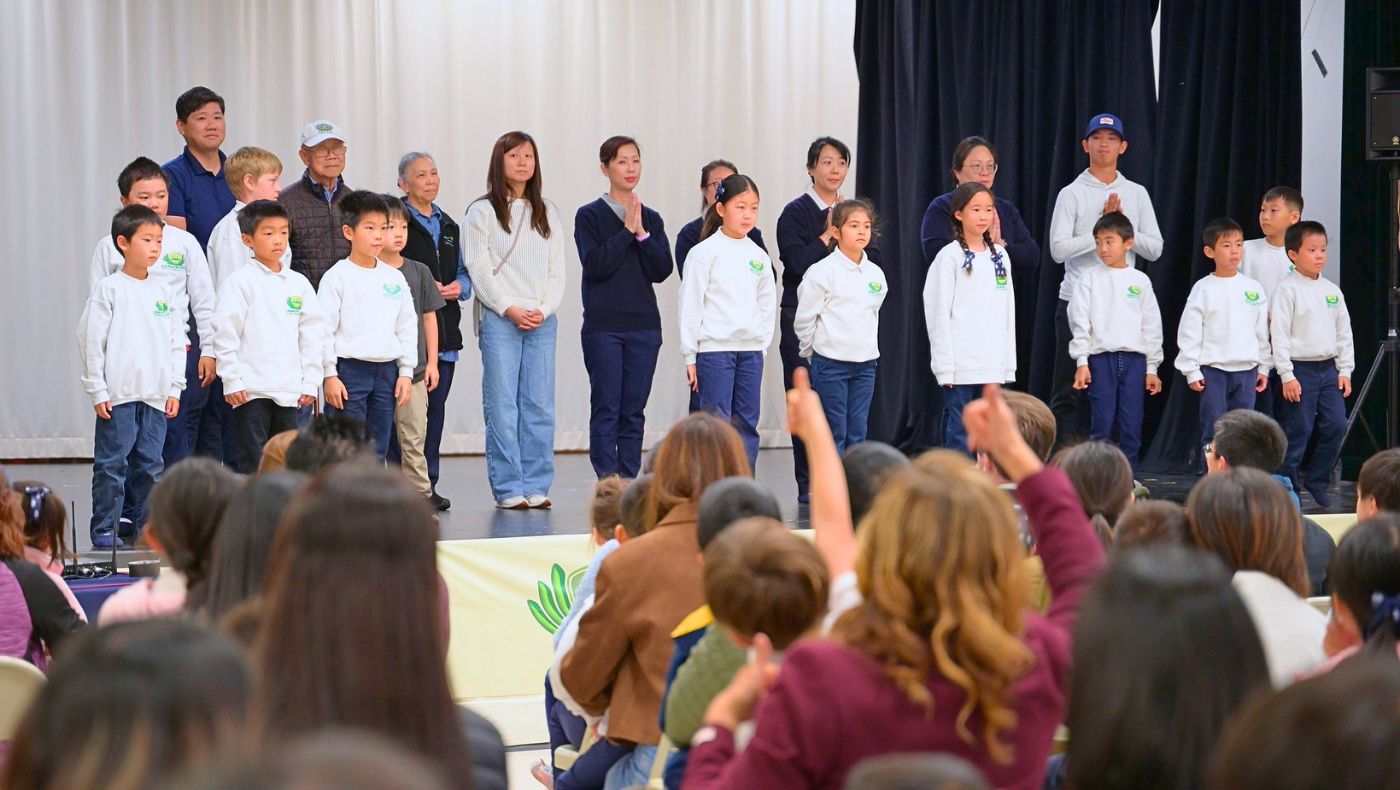
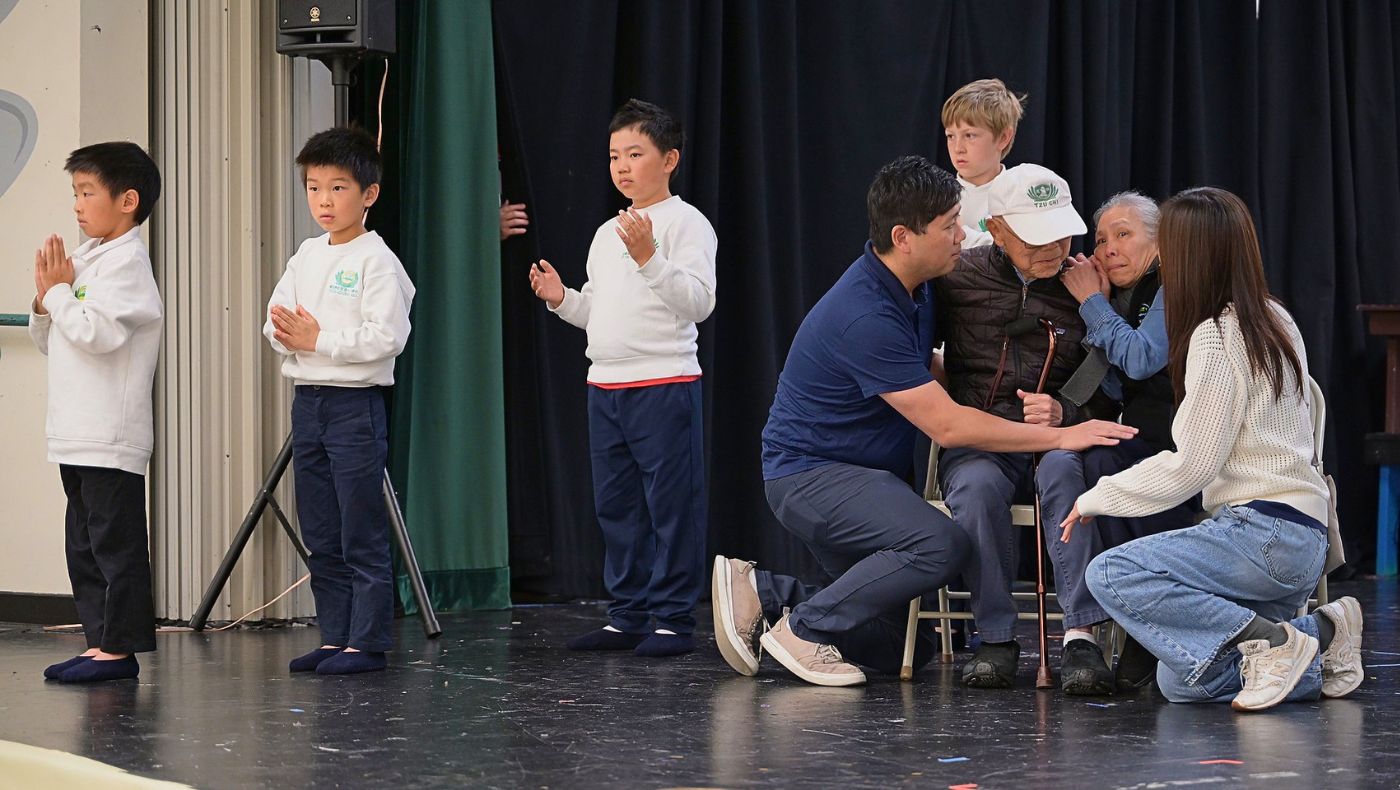
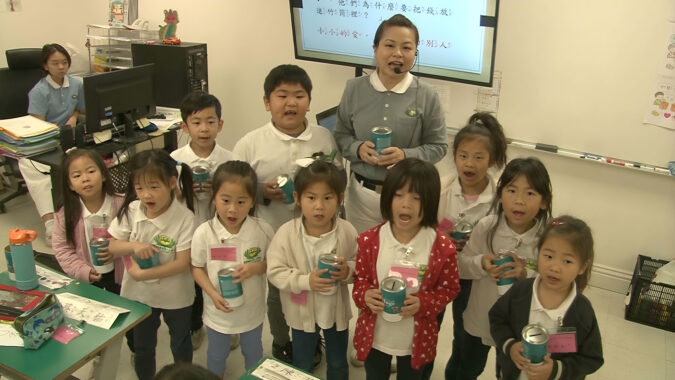
As students performed The Kneeling Lamb with sincerity and emotion, many parents in the audience were moved to tears. Students, parents, and volunteers participating in the production had been rehearsing during their free time since February, hoping to present the best possible performance.
The sign language performance of The Kneeling Lamb is warmly received by parents and guests. Photo / Flora Lo
Before the performance began, Principal Sushan Chi explained the symbolism behind The Kneeling Lamb.
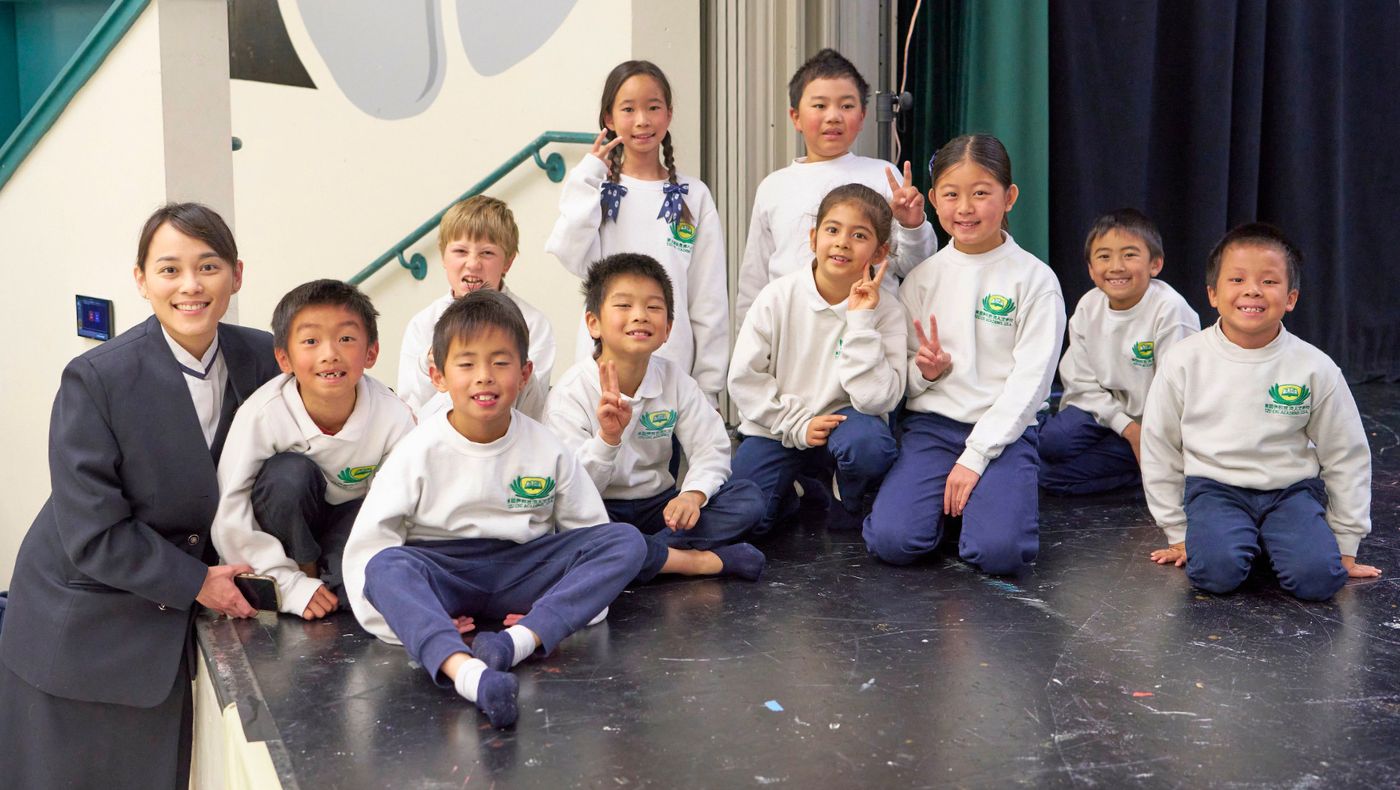
Second-grade students who participated in the performance pose for a group photo with their teacher, Chinhua Huang (left). Photo / Nicholas Lim
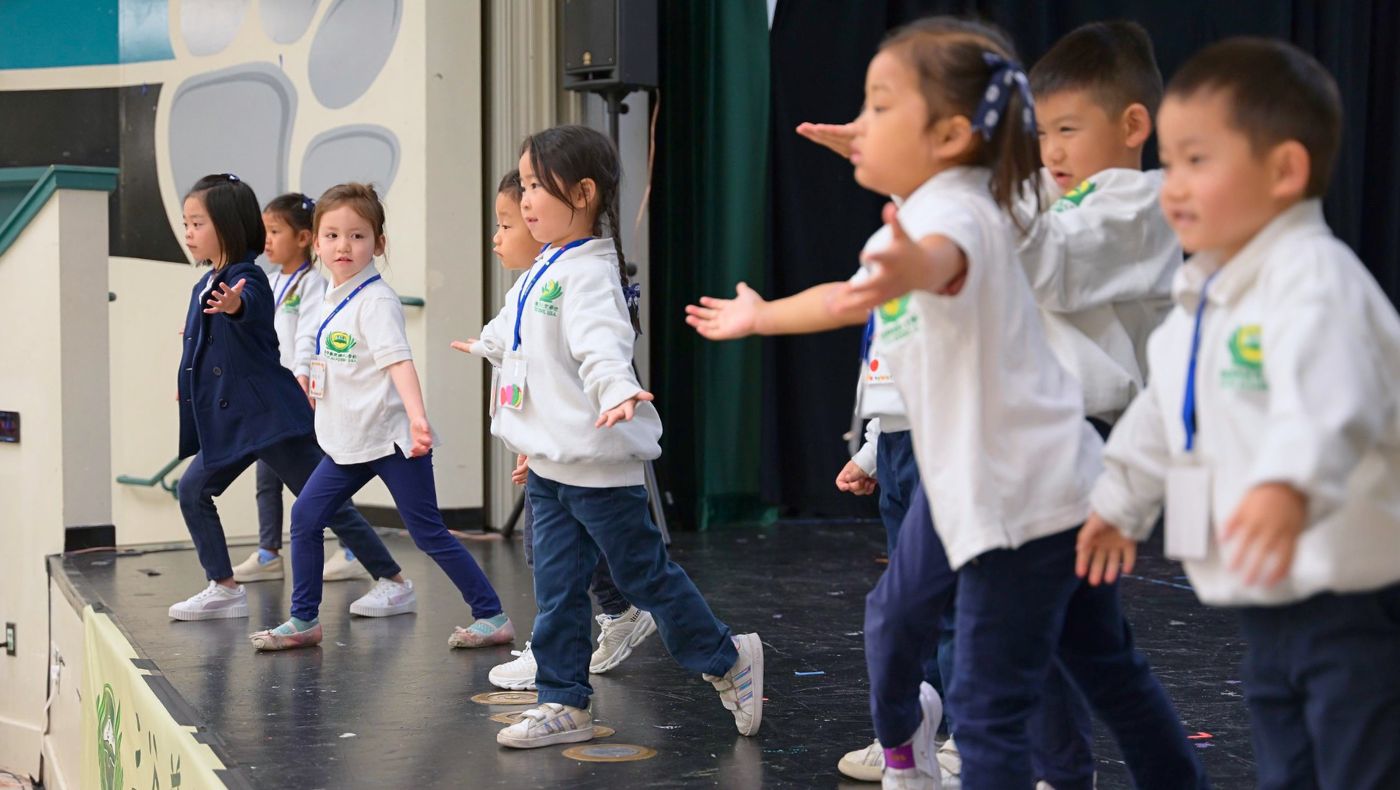
Students perform the sign language song Give Love. Photo / Flora Lo
She shared that lambs kneel while nursing from their mothers, a gesture often used to symbolize humility, gratitude, and respect for parental love and care. Raising children requires countless sacrifices—from providing food and clothing to driving children to and from school and supporting them every day.
Principal Chi encouraged students to remember Dharma Master Cheng Yen’s teaching: “Recognize, appreciate, and repay your parents’ love.”
Life Reflected on Stage: From Hesitation to Gratitude
In The Kneeling Lamb, parents Ken Lp and Connie Lei portrayed adult children leaving home for work and tearfully saying goodbye to their aging parents.
As a mother of two, Lei shared that the role closely mirrored her own life experience.
“I feel deeply honored to be part of this performance because this role is practically a reflection of my real life,” Lei said.
Participating in this production is not just a performance for me; it is also a profound reminder. No matter how busy I become, I must practice filial piety while I still have the opportunity.
Ken Lp (left), who portrays the father in the performance, takes part in a stage production for the first time. Photo / Flora Lo
Connie Lei (right) participates in the sign language performance of The Kneeling Lamb. Photo / Nicholas Lim
Ken Lp admitted that he felt extremely nervous when first invited to participate because he had no acting experience. However, as rehearsals progressed, he became grateful that he had accepted the challenge.
One scene depicts a father arguing with his teenage son over excessive smartphone use. The son angrily throws down his phone while the father slumps helplessly into a chair—a scene that closely resembles challenges many families face today.
“The character I play is essentially a reflection of myself,” Lp said. “I have two children, ages eight and ten, and they will soon enter their teenage years. In real life, getting them to put down their phones is always a challenge. Sometimes they refuse, and I end up losing my temper.”
Through the role, he said, he gained a new perspective on his relationship with his children and his own parents.
I’m always busy with work and rarely have time to spend with my parents. I’ve even forgotten how much they sacrificed for me.
Lei expressed gratitude for the opportunity to participate.
“I am deeply grateful to Tzu Chi for providing this platform and allowing us to plant the seed of filial piety in our children’s hearts,” she said. “Although filial piety is a timeless value, it can easily be forgotten amid the fast pace of modern life.”
The Deeply Moving Filial Tea Ceremony
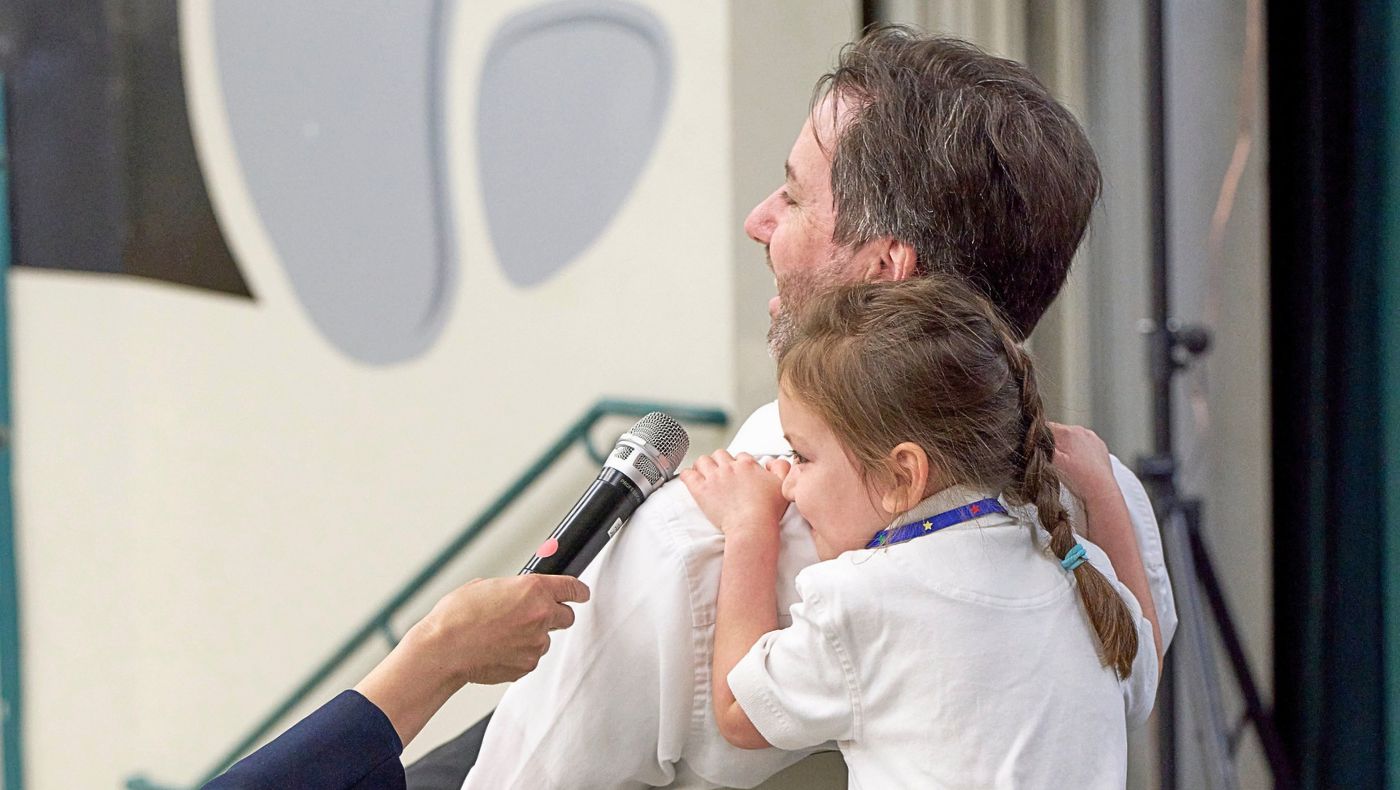
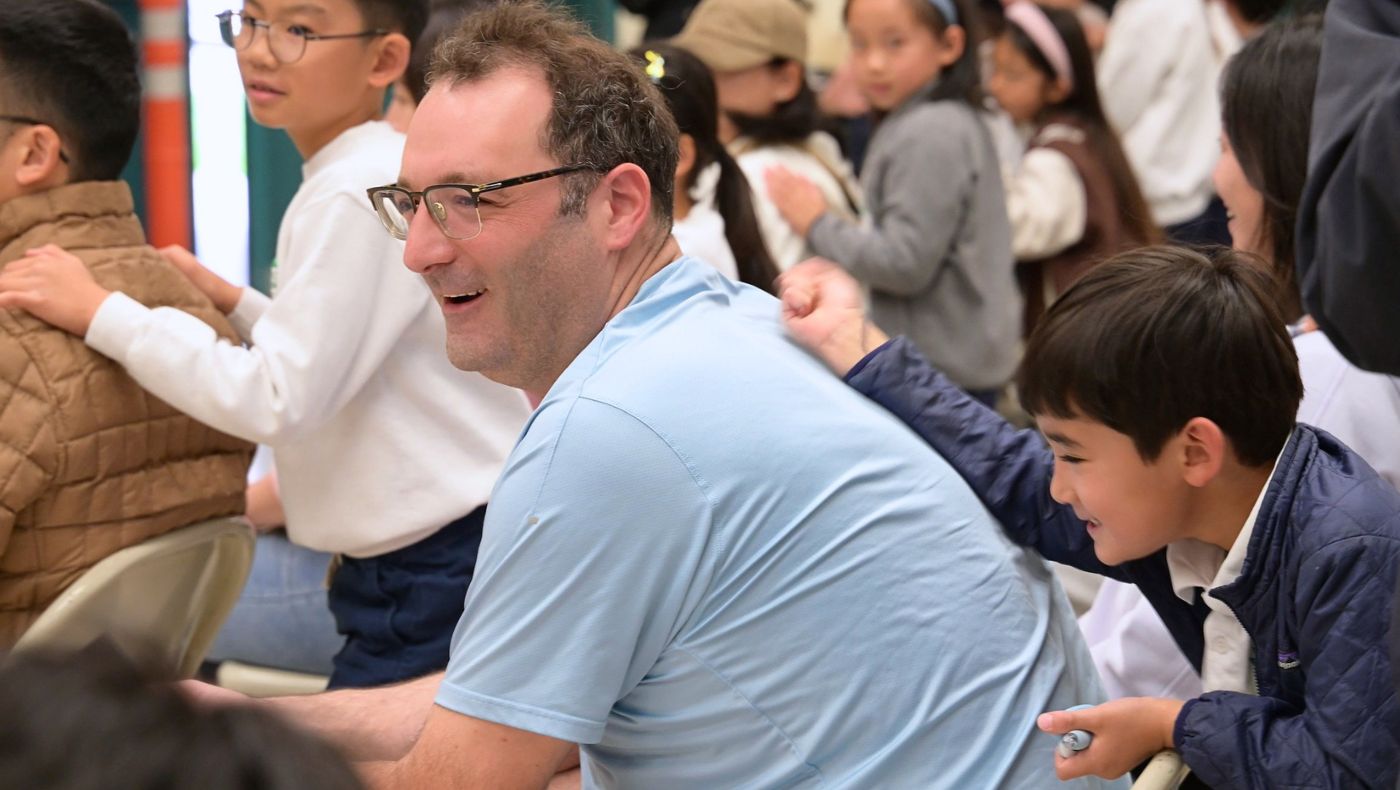
Daniel Holl enjoys a back massage from his daughter during the Filial Piety Day celebration. Photo / Nicholas Lim
For the first time since before the COVID-19 pandemic, Tzu Chi Academy, Tri-Valley revived its Filial Piety Day tea ceremony, bringing back a cherished tradition after a seven-year hiatus.
Two students kneel on one knee while presenting tea to their mother. Photo / Flora Lo
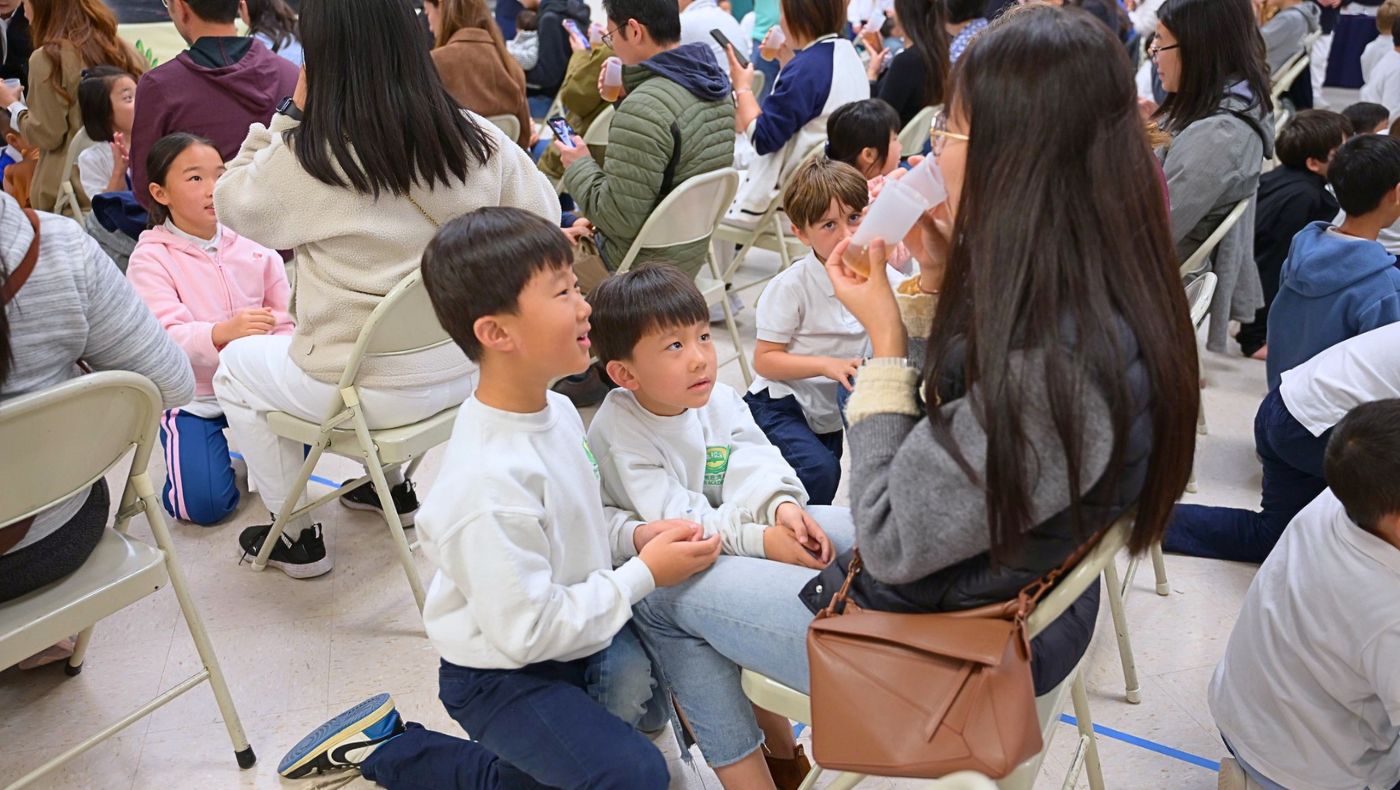
A parent happily receives a heartfelt cup of tea during the ceremony. Photo / Flora Lo
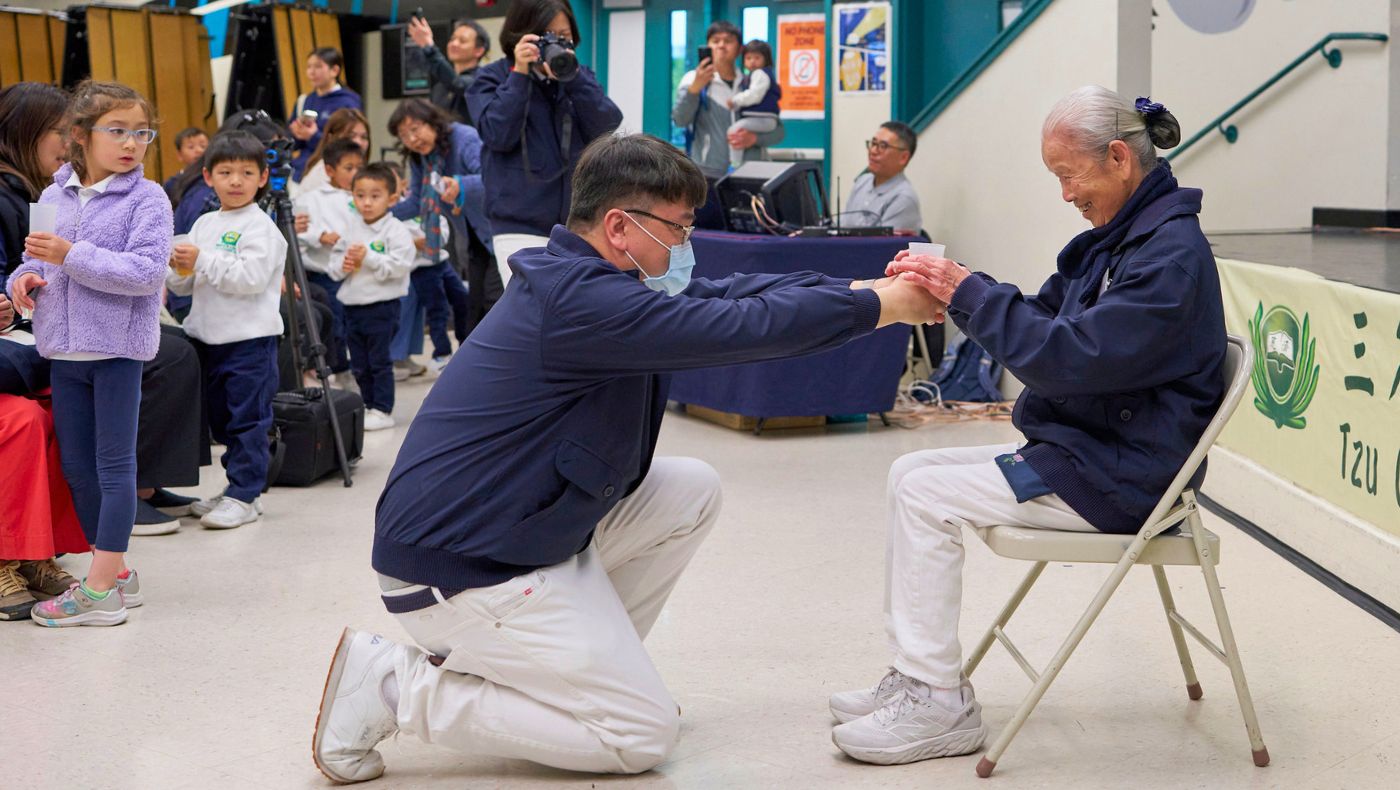
Students participating in the ceremony knelt on one knee and respectfully offered tea to their parents with both hands. Many parents became emotional upon receiving the tea, embracing their children with tears in their eyes.
A student respectfully presents tea to her mother with both hands. Photo / Nicholas Lim
American parent Daniel Holl reflected on the experience and its significance.
He shared that seeing his daughter publicly express respect, love, and gratitude through a formal ceremony was something he deeply treasured. He also appreciated the school’s efforts to help children better understand the sacrifices their parents make on their behalf.
A child kneels on one knee while presenting tea to her mother. Photo / Nicholas Lim
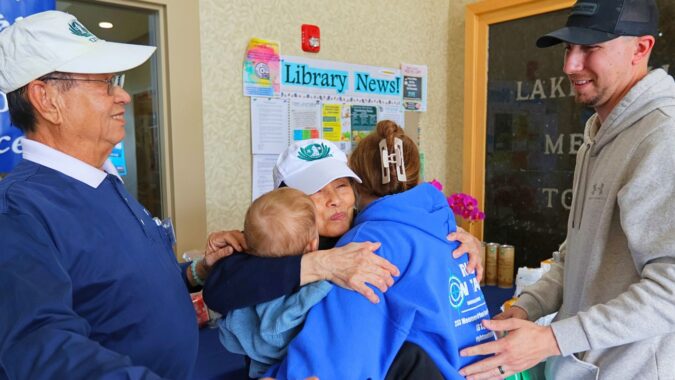
A heartwarming embrace between parent and child during the Filial Piety Day activity. Photo / Nicholas Lim
“This has inspired me to find an opportunity to do something for my own parents,” Holl said. “Perhaps because I’m American, they may not be accustomed to such a formal ceremony, but I can certainly find other ways to express my love. This activity has inspired me to think about how filial piety can be practiced in different ways.”
It’s a wonderful feeling. I’ve never done anything like this for my parents, but seeing my daughter do this for me with my own eyes truly touches my heart.
More Than Language—A Lesson in Humanity
Parents noted that Tzu Chi Academy offers students more than language instruction. Alongside learning Chinese, students are taught values, character, and how to care for others.
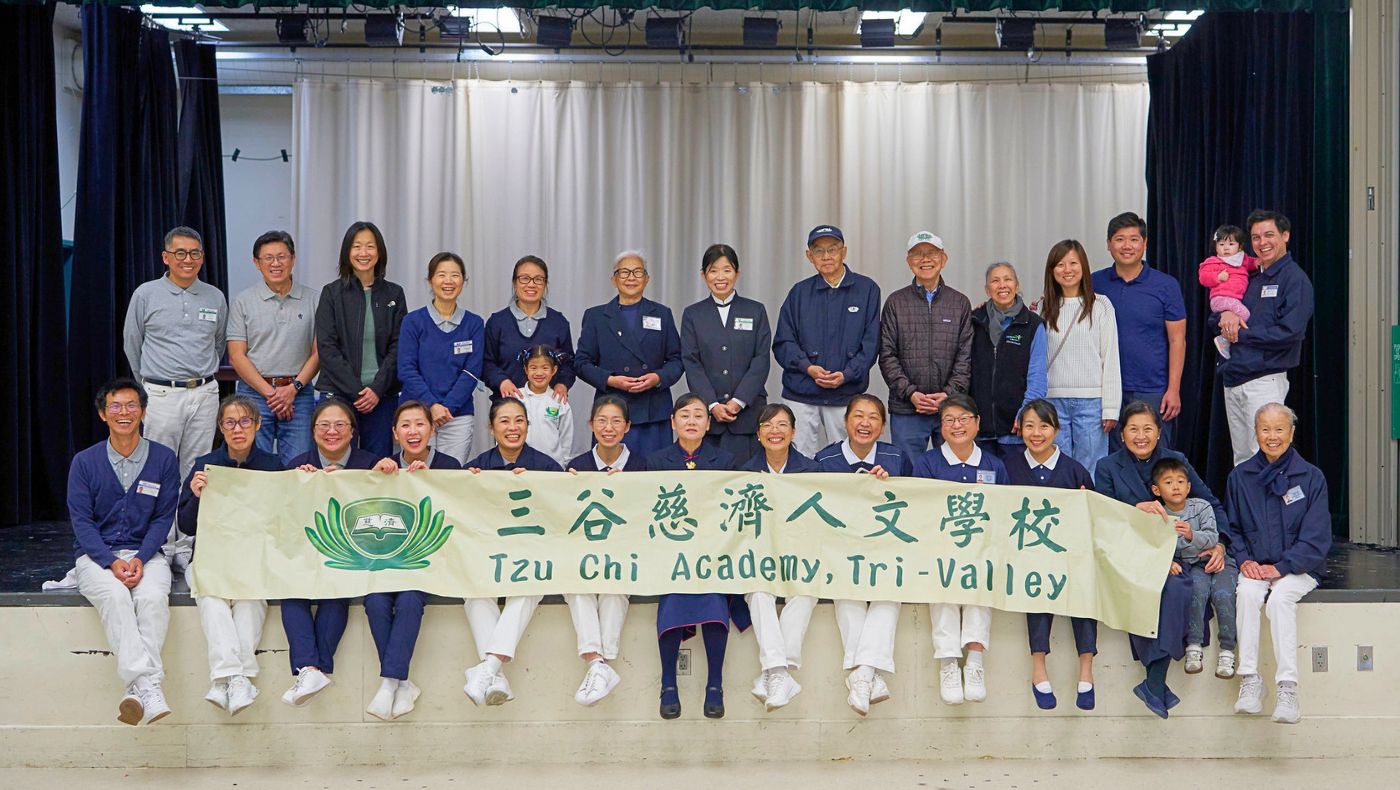
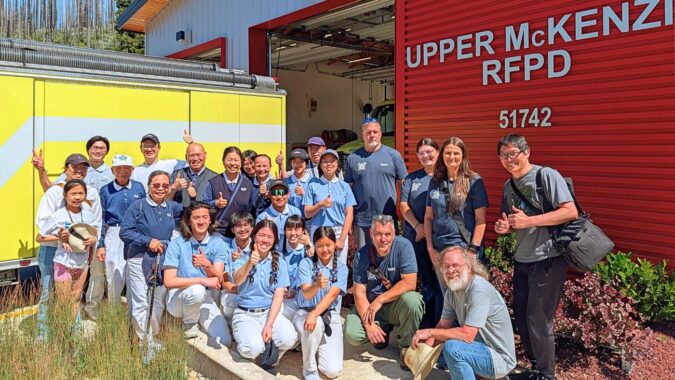
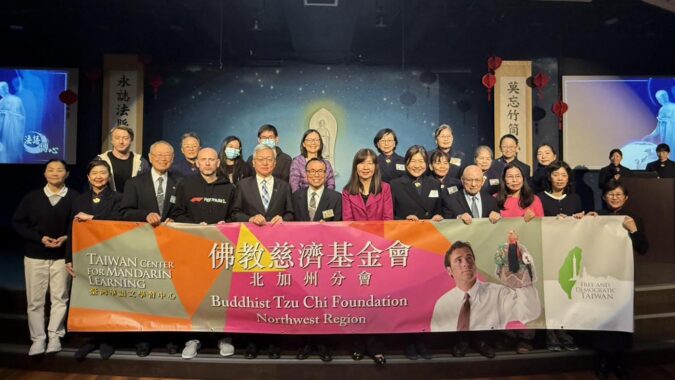
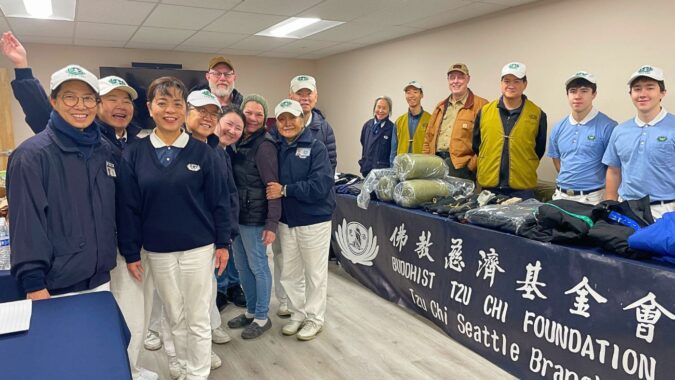
Volunteers who helped organize the Filial Piety Day event gather for a group photo. Photo / Nicholas Lim
Lei observed that the event reminded children that parents make sacrifices without expecting anything in return. In response, children should learn to appreciate what they have received and never forget their parents’ nurturing love.
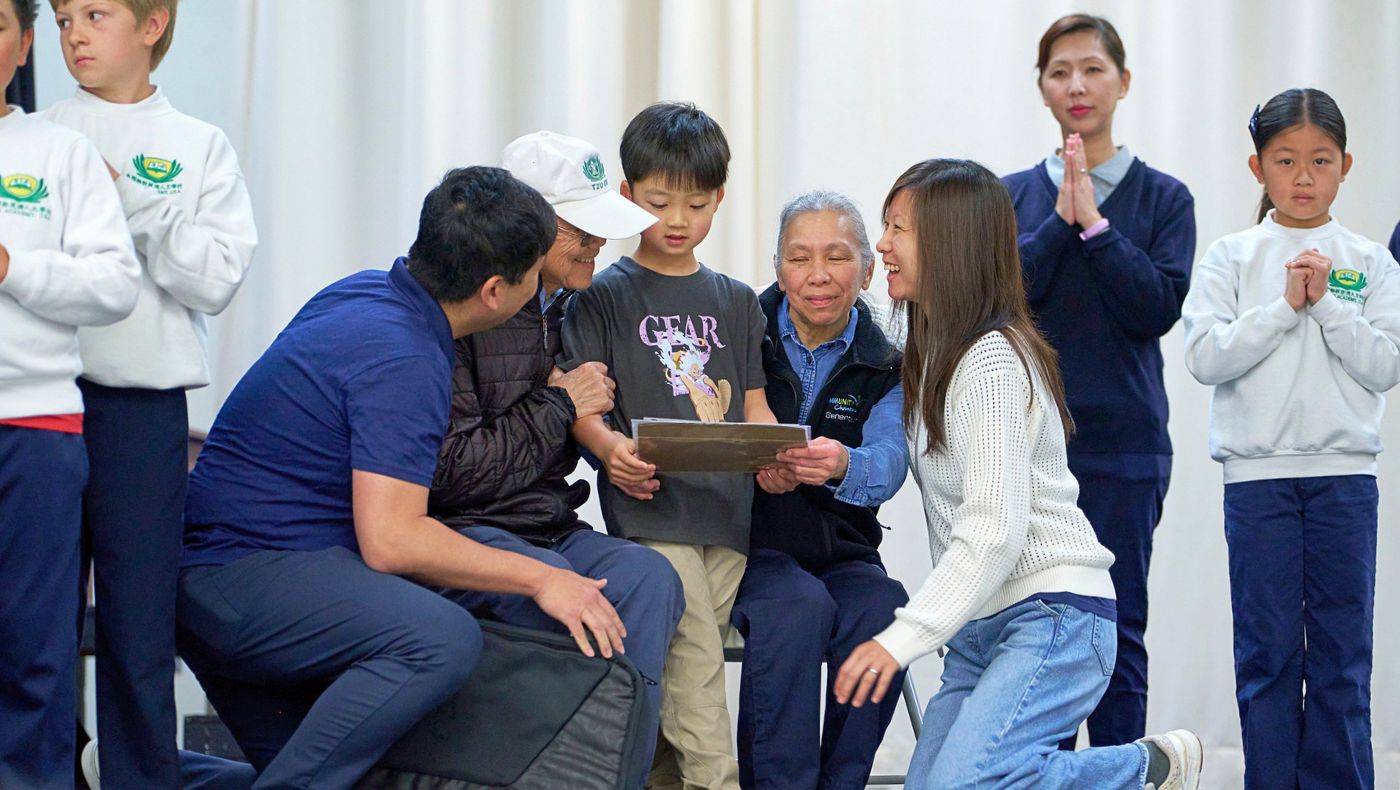
Volunteer Alton Chen leads by example by kneeling to serve tea to his mother, who is nearly 90 years old. Photo / Flora Lo
A student massages his mother’s back during the Filial Piety Day activity. Photo / Flora Lo
Holl also praised Tzu Chi’s educational philosophy.
He believes Tzu Chi is one of the few schools that deeply integrates culture and values into its curriculum. In his view, education should not be limited to language acquisition; it should also cultivate respect, compassion, and humanity.
A student massages his father’s back during the Filial Piety Day activity. Photo / Flora Lo
“The emphasis on culture and values is one of the most important gifts we can give our children,” Holl said.
Principal Chi emphasized that filial piety is cultivated through continuous reminders and personal example. Before the event concluded, she encouraged every student to return home and say, “Thank you, Mom and Dad.”
More than a celebration of Tzu Chi’s 60th anniversary, the event planted seeds of gratitude and filial piety in the hearts of the next generation, allowing these values to continue growing in the years to come.