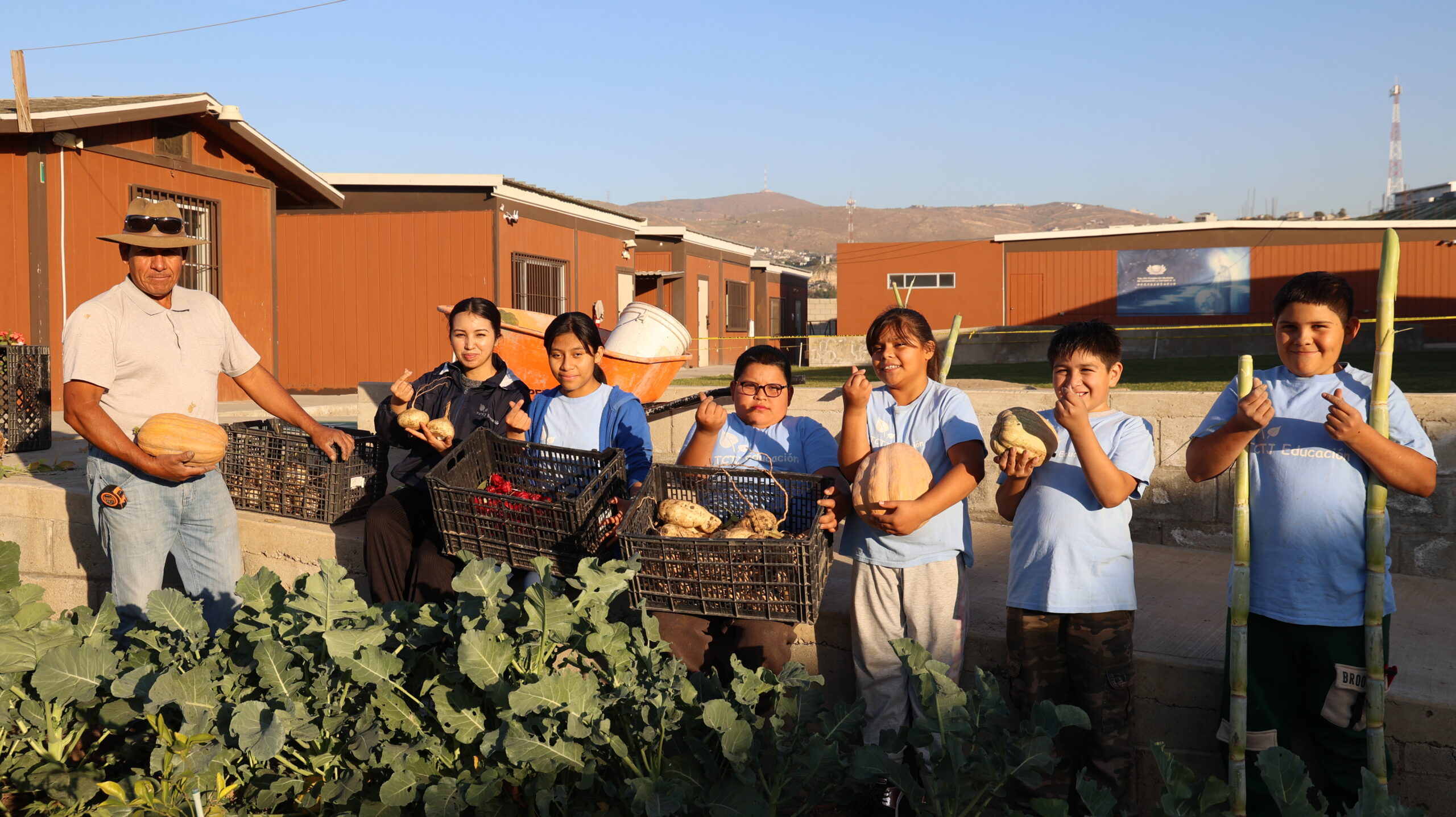
Fabián, a staff member at Tzu Chi’s Tijuana campus in Mexico, works with Classroom of Hope students to transform barren ground into a fertile vegetable garden that helps make campus lunches more nutritious. Photo/Shuli Lo
Written by Shuli Lo Translated by H.B. Qin Edited by Ida Eva Zielinska
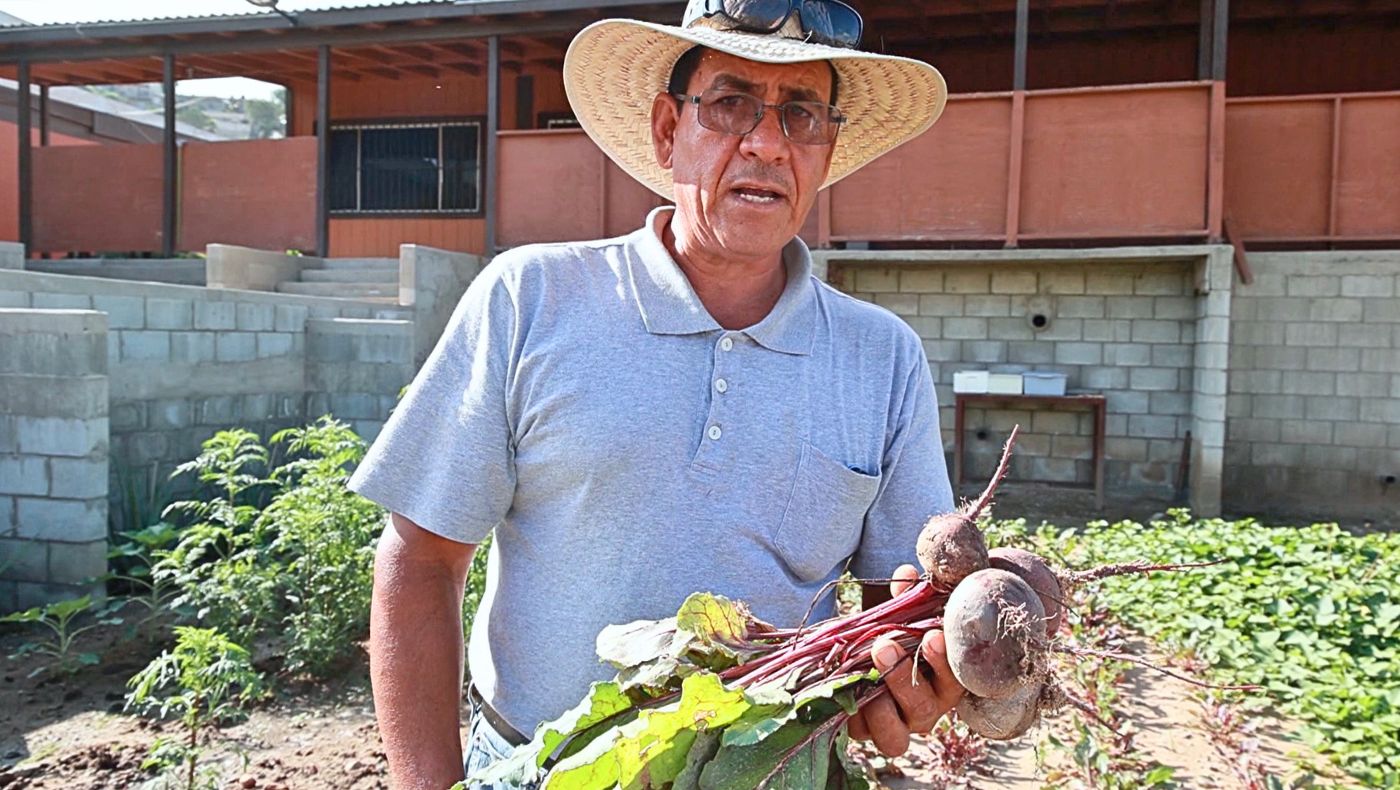
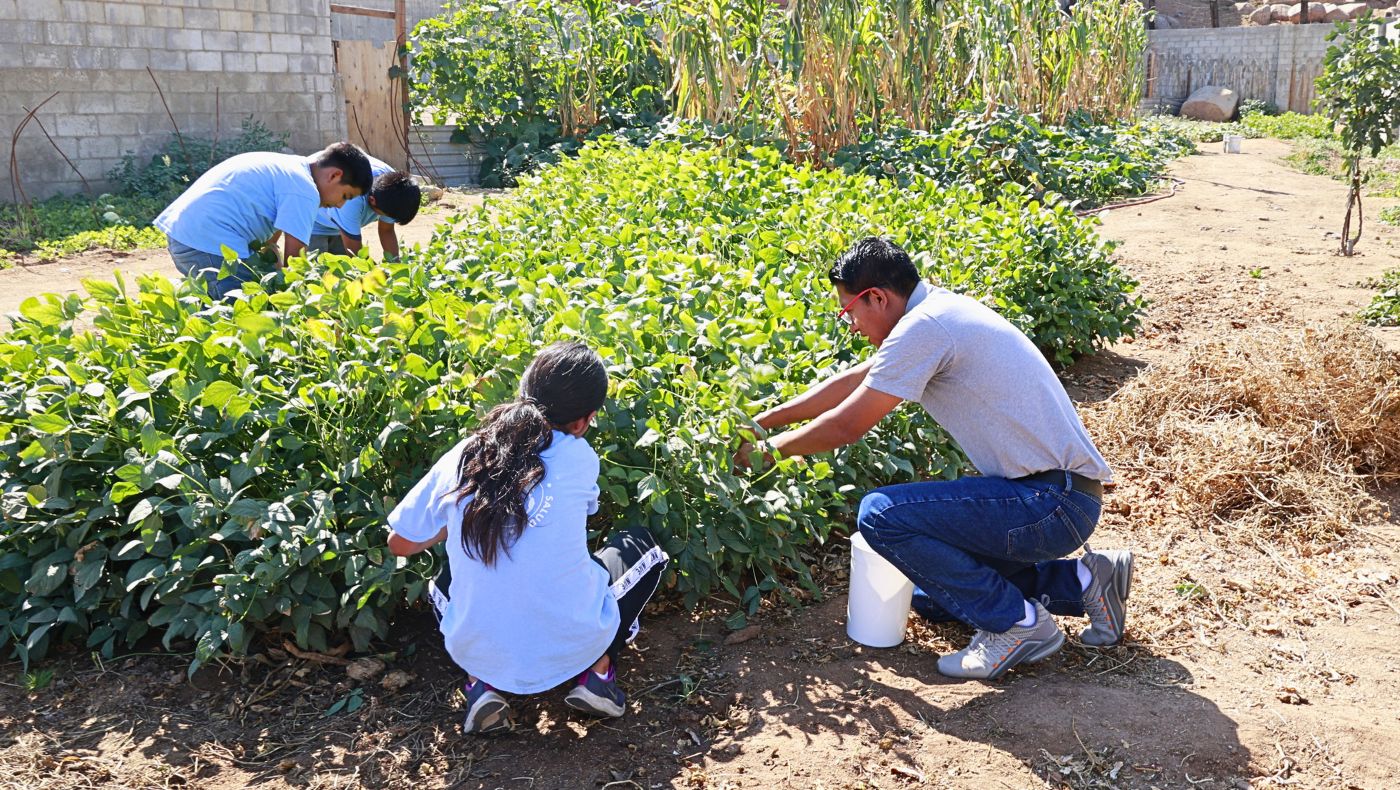
Before the morning sun fully illuminates the Tzu Chi campus in Tijuana, Mexico, a figure silently moves among the vegetable plots. Fabián, a staff member, arrives before 7 AM each day, and before his official shift begins, he always visits the garden first. There, he checks on the fruits and vegetables he planted with his own hands and waters the plants.
This routine isn’t part of Fabián’s job description. He uses his own time to voluntarily clear and tend this green space. What was once barren ground has, over two and a half years of steady care, blossomed into a productive garden. While its harvest doesn’t meet all the campus’ needs, it allows Classroom of Hope students there to enjoy extra dishes or take vegetables home to share with their families. The garden’s harvest is only part of the story. The children also take part in the day-to-day work of caring for what grows there.
Fabián, a staff member at the Tzu Chi Tijuana campus, begins each morning by checking on the fruits and vegetables he planted and watering the plants. Photo/Shuli Lo
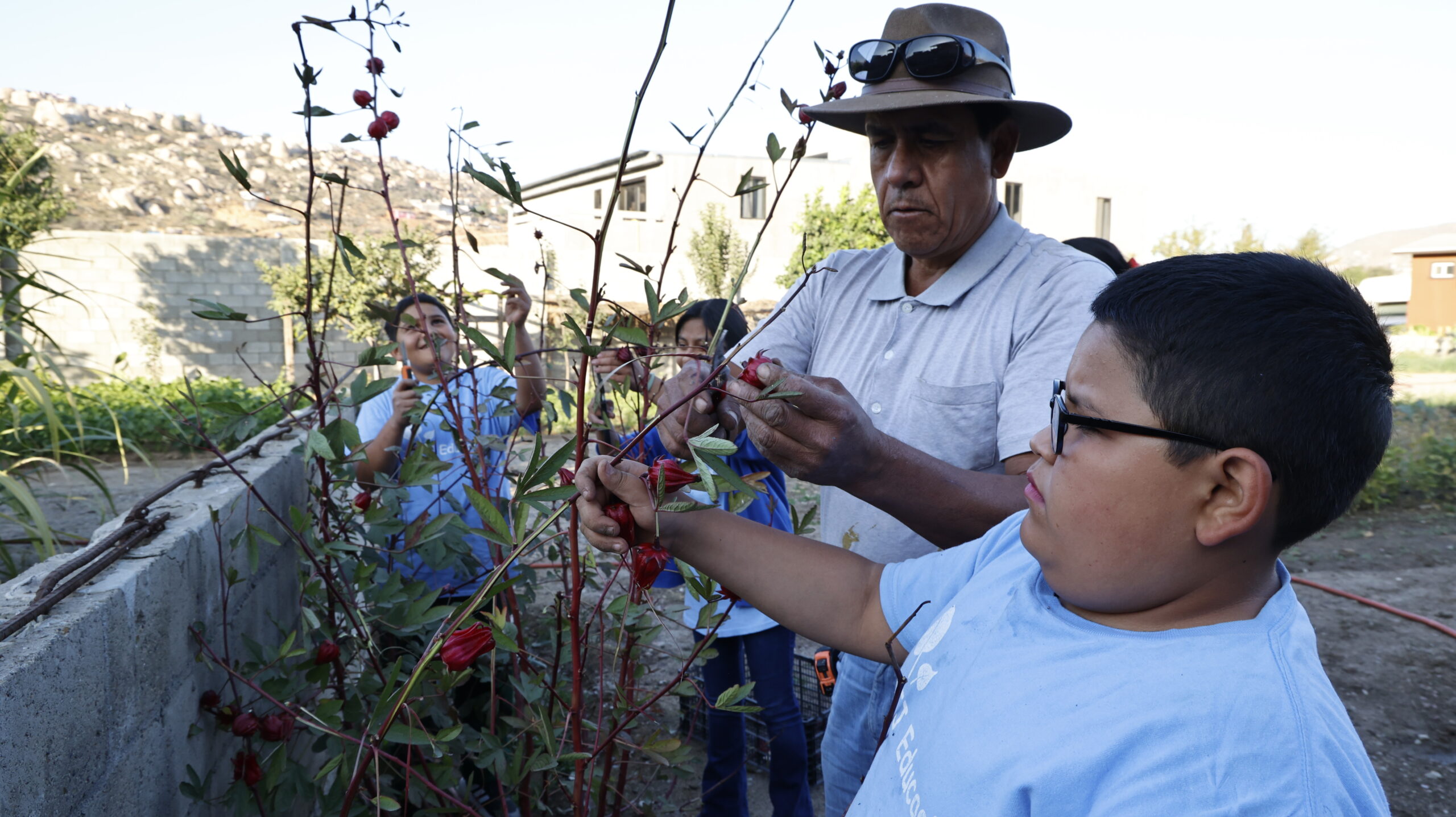
Fabián leads Classroom of Hope students as they harvest roselle flowers. Photo/Shuli Lo
“We’re here every day, but we do different things every day. Today we might harvest lettuce, tomorrow carrots. Today we water, but the next day it might not be needed,” Fabián said with a smile.
He added that while planting isn’t daily work, they constantly tend the diverse plants in the garden. “Today we fertilize to help them grow; tomorrow we check what else they need. We spend every day in the garden, caring for all the plants so they thrive.” For Fabián, the garden is not just work or a hobby. It is an act of love.
Growing Ingredients for Campus Lunches
The latest batch of green beans in the garden holds special meaning for Fabián. “We’re growing green beans now so the children can enjoy delicious and nutritious stewed green beans with eggs,” he said, explaining why he chose legumes. “They’re naturally healthy, nutrient-rich, and perfect for daily consumption by every child at the Tzu Chi campus.”
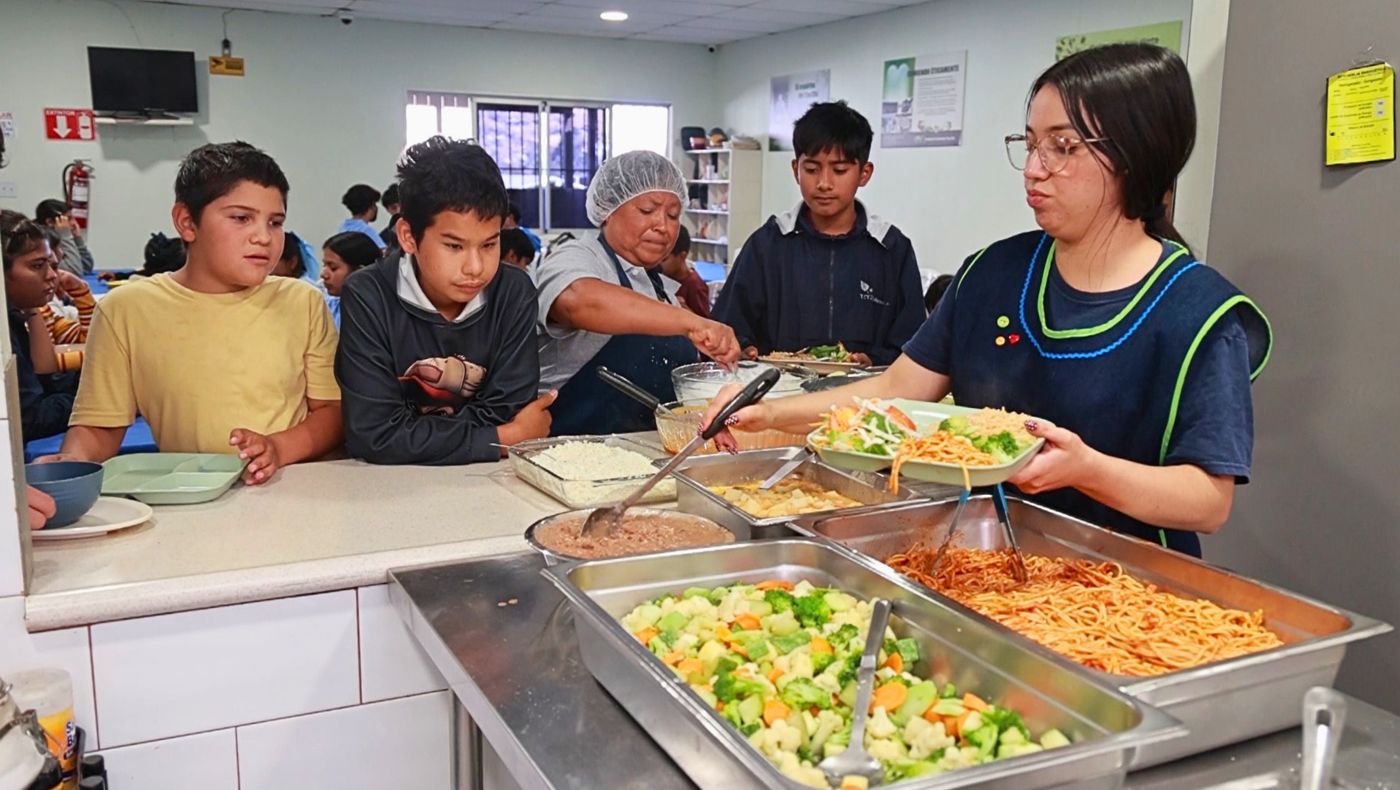
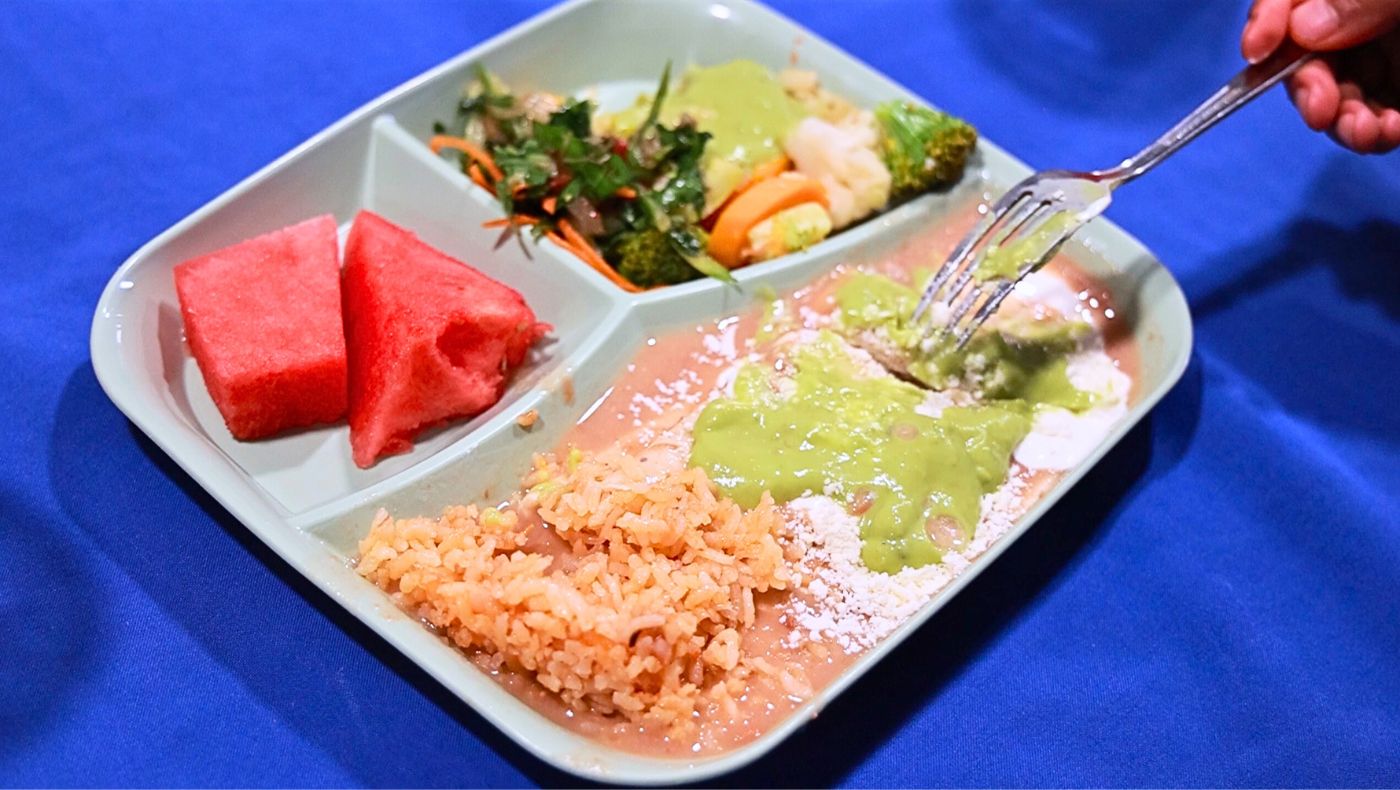
Produce grown in the campus garden adds fresh ingredients to Classroom of Hope lunches. Photo/Shuli Lo
We plant every seed here with love, hoping only that the children grow up healthy and strong.
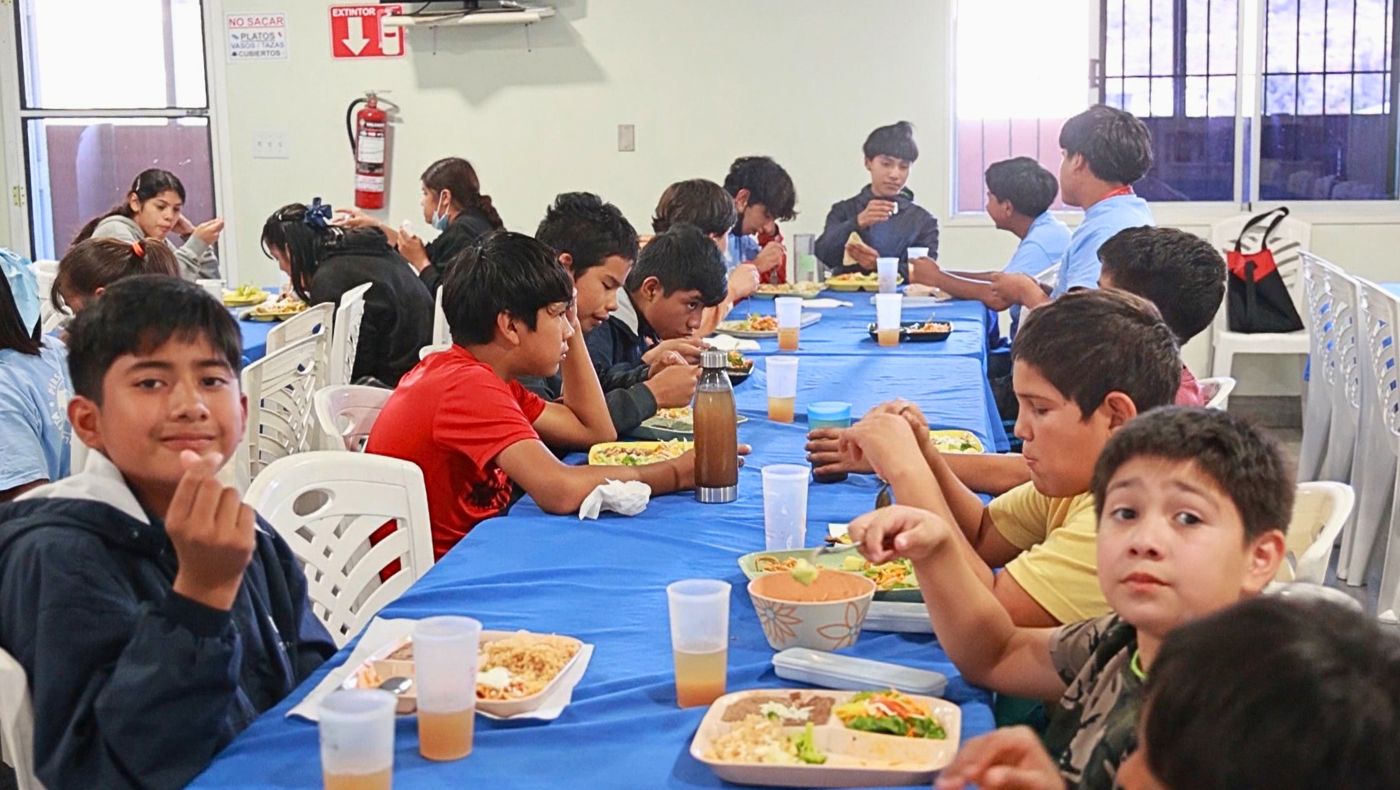
The variety of produce on the lunch table inspires children to invest their energy and effort in caring for the garden. Photo/Shuli Lo
Don’t be surprised to see watermelon on the plate. The watermelons grown on campus are bright red and sweet. Photo/Shuli Lo
Fabián possesses a deep and nuanced understanding of the land and climate. As a result, the garden yields different crops year-round: Winter brings carrots, lettuce, sugarcane, and jicama, while summer brings tomatoes, green beans, and pumpkins. “Right now, we’re harvesting tomatoes and carrots. Tijuana’s climate is ideal, allowing planting almost year-round, so we’re always busy planting and harvesting,” he said as he pulled up a tomato plant. His words carry both the steadiness of someone who works the land and the patience of an educator.
From Barren Ground to Living Classroom
In Tijuana’s semi-arid climate, long stretches of dry weather are common, and the ground can bake hard without regular watering. So when Fabián first began working this patch of land at the Tzu Chi Tijuana campus, the ground resisted every step of the process. “The soil here is really, really hard when it’s dry,” Fabián said, gesturing toward the ground. “But with cultivation and watering, it softens. It’s challenging, but with proper care, it yields results.”
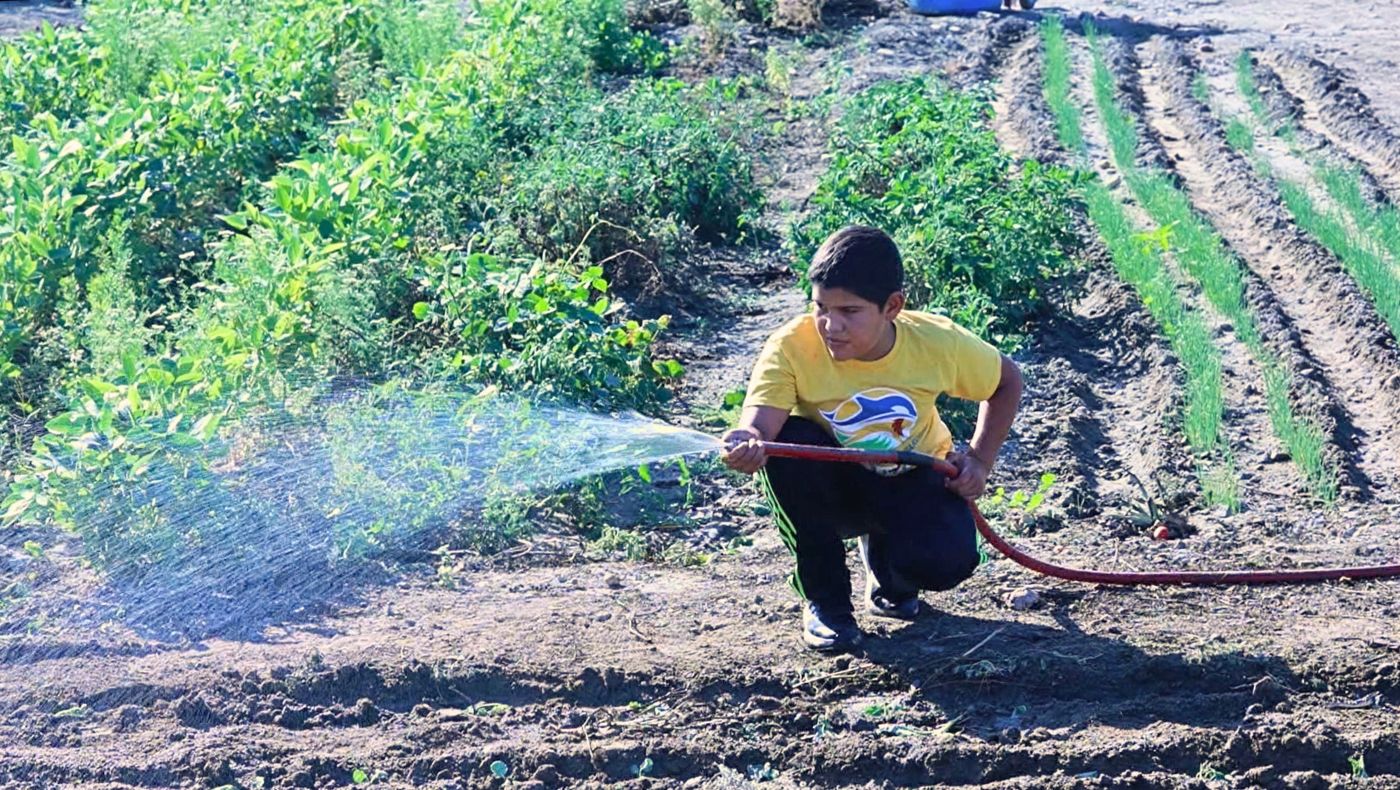
A boy waters plants in the garden, using the methods Fabián taught Classroom of Hope students. Photo/Shuli Lo
He recalled how, two and a half years ago, they dug deep into the vacant lot and added fertilizer, including natural fertilizer made from basil. “Over these two and a half years, the soil has improved significantly, getting better almost every year,” he said with a sense of accomplishment. Through Fabián’s persistent, dedicated care, the soil has gradually improved.
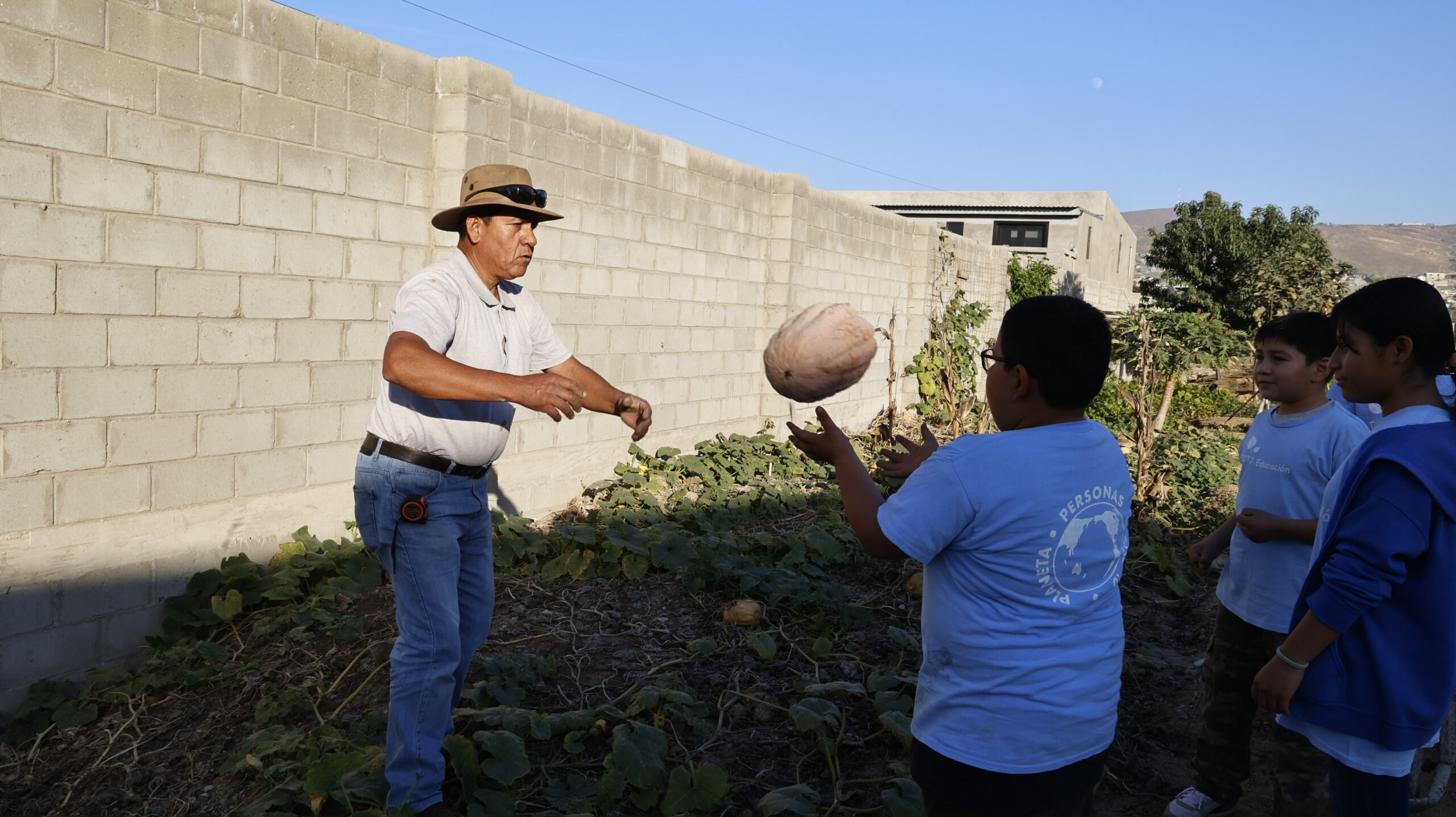
Fabián and Classroom of Hope students become green partners as they collaborate during the pumpkin harvest. Photo/Shuli Lo
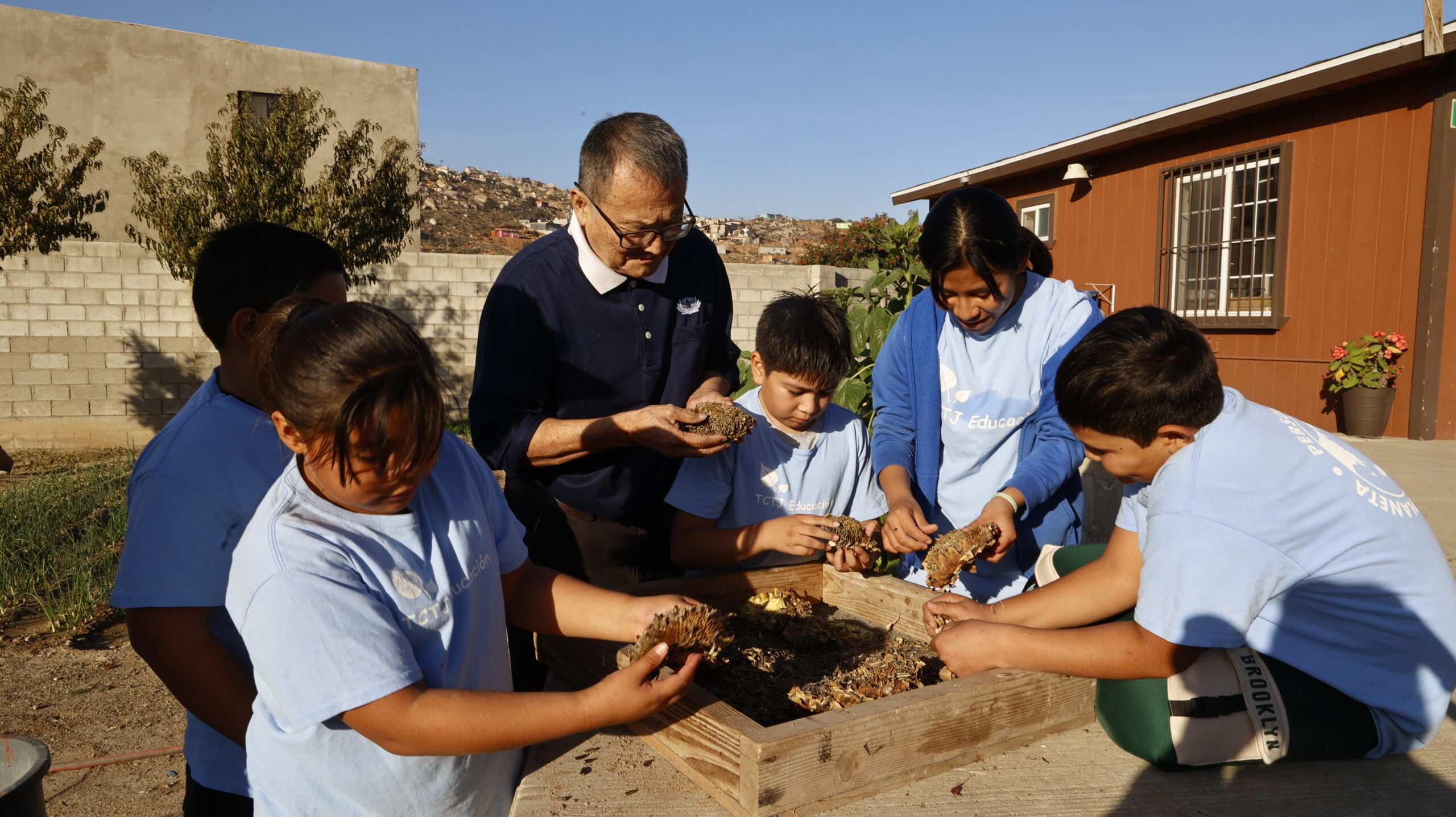
Tzu Chi volunteer Joe Wang helps children shell sunflower seeds. Photo/Shuli Lo
This change isn’t just in the ground, but also in the hearts of the children and the community. Under Fabián’s guidance, Classroom of Hope students join the work. He shows children who arrive early how to water, weed, fertilize, loosen the soil, and remove stones. During harvest season, they find ripe fruits hidden beneath the leaves.
Ángel, one of the students, shared happily, “Mr. Fabián taught me how to do things like fertilizing and weeding. I love helping here.”
Fabián also enjoys working with the children, for witnessing their growth from clumsiness to skill is another kind of harvest.
Both Land and Children Deserve Patient Care
Tzu Chi volunteer Shiu Yun Tsai frequently assists in the garden. She turns food scraps and fruit peels into compost while experiencing the toil of working the land firsthand. She recalls a day when she was shocked by the soil’s hardness as she turned it with a hoe. “That moment truly made me deeply appreciate how difficult Fabián’s land cultivation was.” Likening the soil to children, she added, “The land here is like children, sometimes as hard as stone, but with tender care and nourishment, it softens and sprouts.”
As Tsai gently touched the strawberries in the garden, her movements were like someone caring for a child. For her, time in the garden is also time spent walking alongside Classroom of Hope children, offering steady encouragement.
We hope that through this loving companionship, they feel our sincerity and understand that education can transform lives.
Classroom of Hope teachers lead students in green farming, where they learn ecologically balanced cultivation and how to live in harmony with nature. Photo/Shuli Lo
The vegetables from the garden eventually find their way into the kitchen and onto the children’s lunch table. From carrots and tomatoes to beets and pumpkins, each harvest becomes part of a nourishing vegetarian meal. With careful preparation, beets are simmered into a sweet dish, and pumpkin seeds are saved to sprout new life next spring. When the harvest is too small for a full dish, teachers let students take vegetables home to share the happiness of growing their own with their families.
From parched soil to lush green beds, Fabián and the volunteers tend this garden with their hands and hearts, nurturing it into a thriving oasis. This green space produces not only vegetables but also hope. Children learn to give, enjoy the earth’s bounty, and appreciate the marvelous journey of food from soil to table, having tended a patch of earth that has reawakened in part thanks to their care. And here in Tijuana, Mexico, Tzu Chi’s love quietly flourishes, tending to the needs of the community with the same steady care.