English

Havyn’s Journey Home After the Park Fire

Northwest  |  April 2, 2026
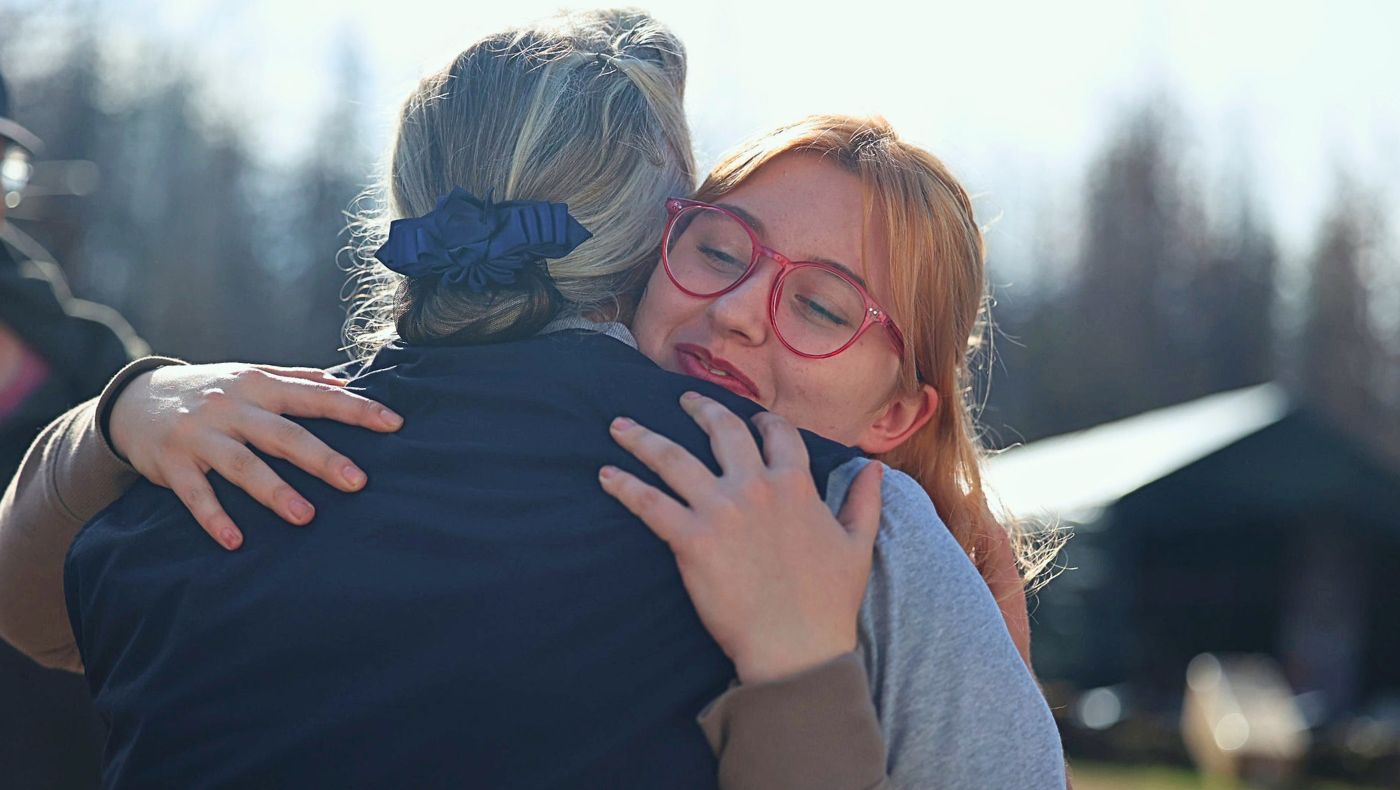
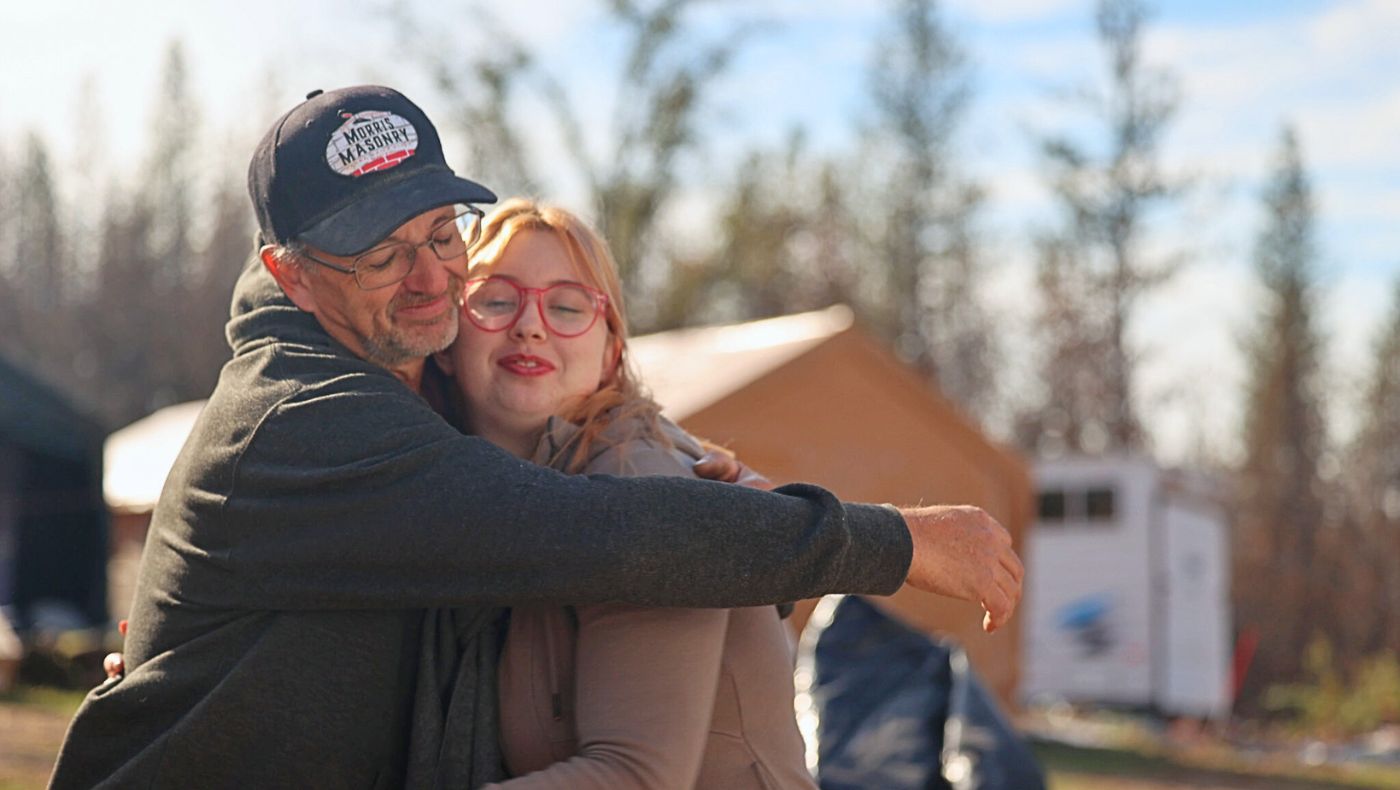
Havyn Morris hugs Bobbie Rae Jones, a disaster case manager at Tzu Chi USA’s Chico Recovery Center, after Jones helped secure a trailer that will soon be Havyn’s home in Cohasset, California, following months of displacement since the 2024 Park Fire. Photo/Kitty Lu

Written by Kitty Lu and Renee Liu
Translated by H.B. Qin
Edited by Adriana DiBenedetto

Nestled in the mountains of Butte County, California, Cohasset had been home to the Morris family for over two decades. Sunlit front porches, children’s laughter as they ran across verdant grass, and the outdoor fire pit they built together as a family all bore witness to the time they spent here.

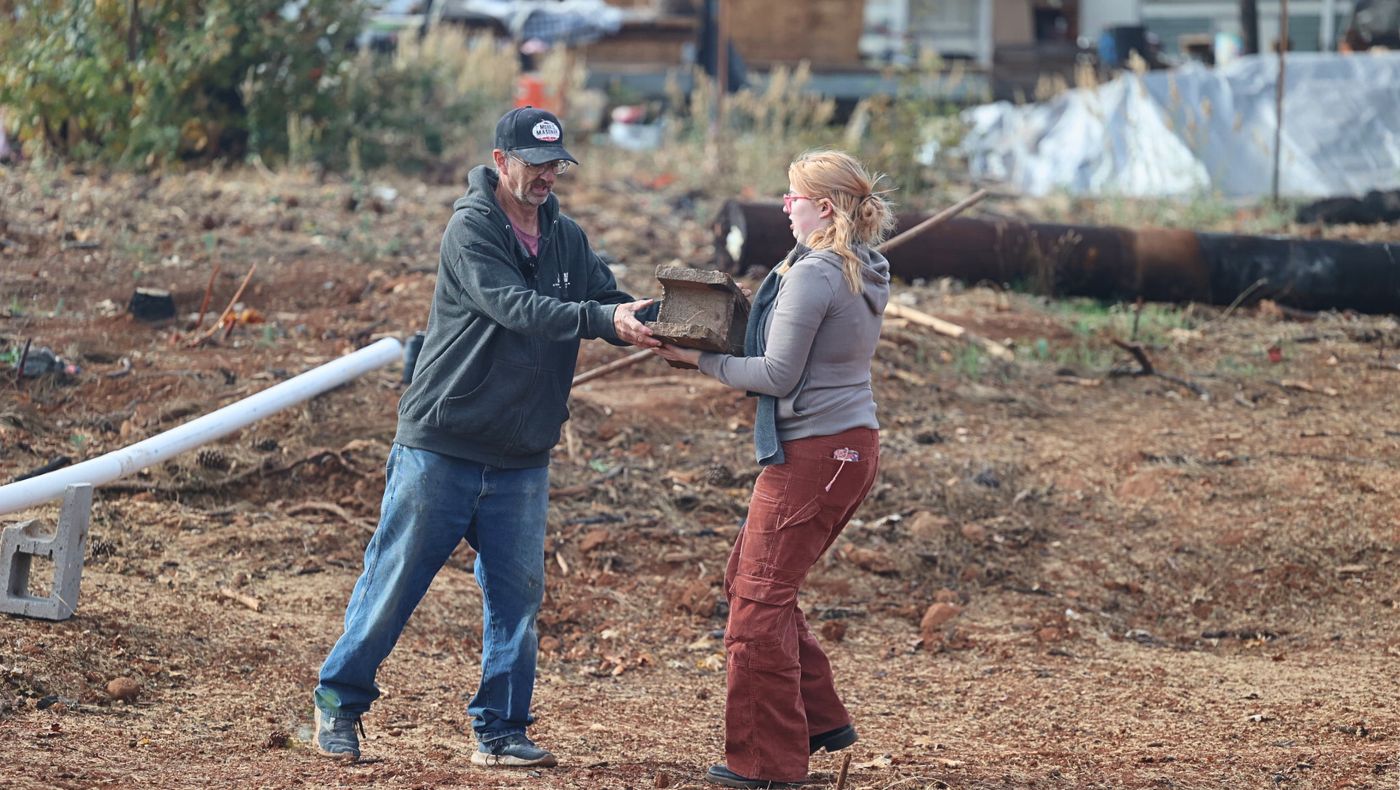
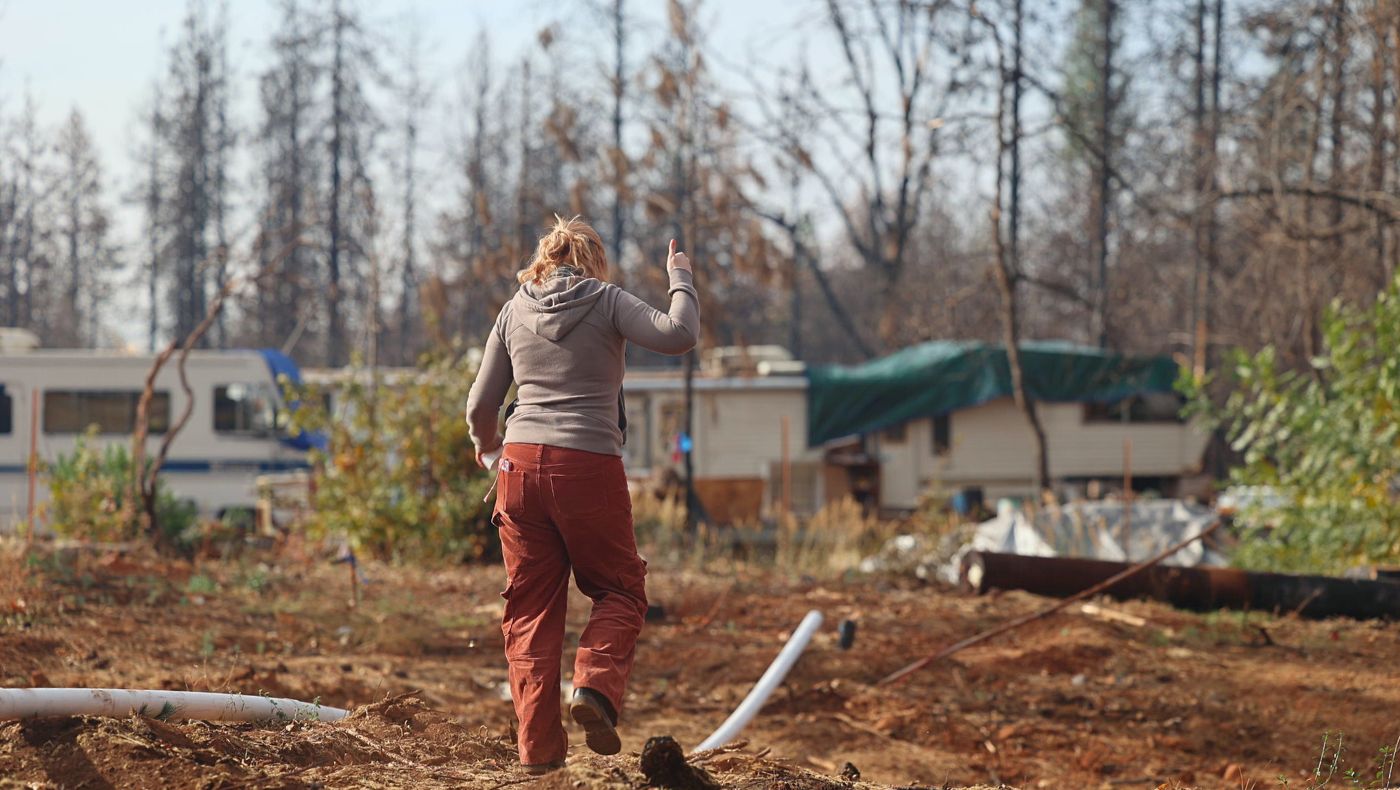
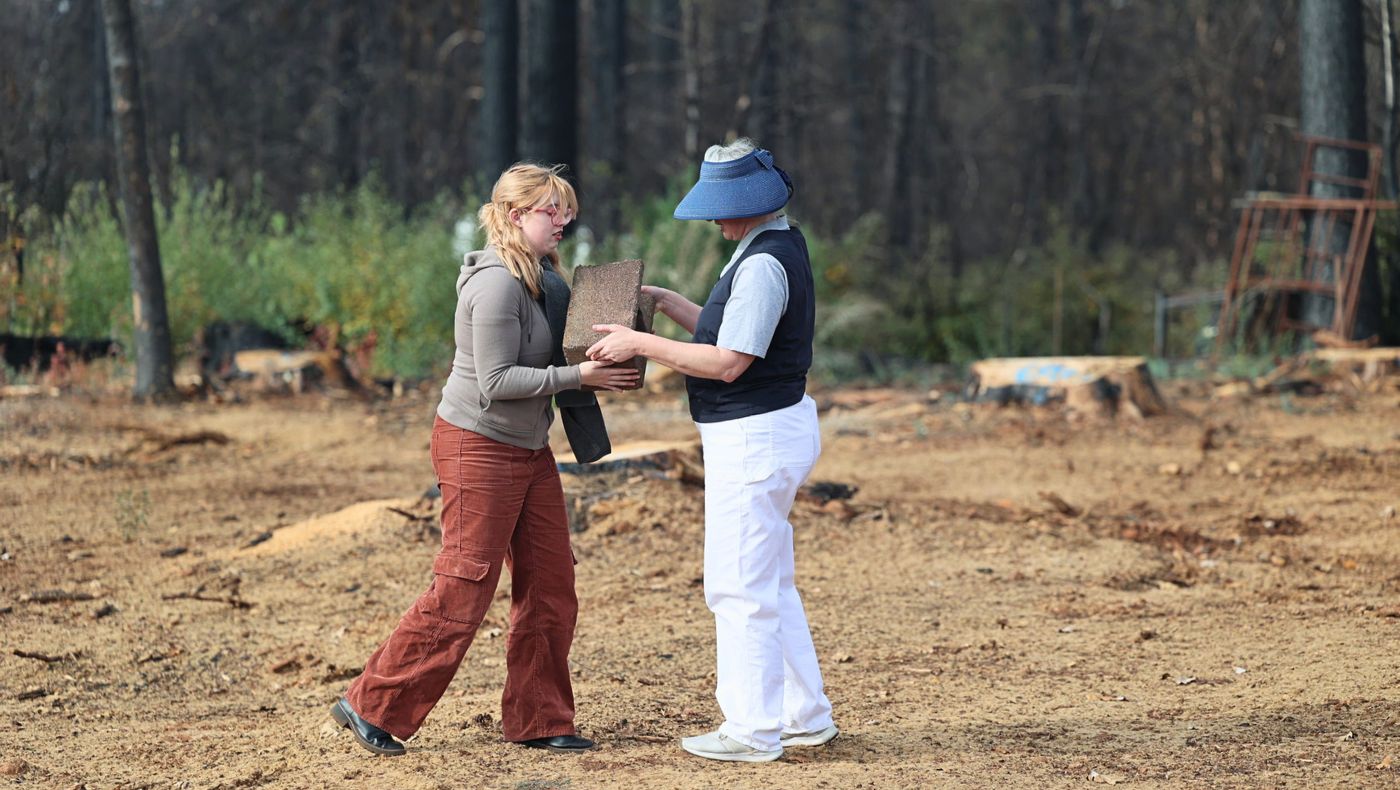
On the once-scorched land, grandparents and grandchildren work together, moving bricks and laying sewage pipes, rebuilding their home step by step. Photo/Kitty Lu

James Morris is a mason who runs his own small business, having built a peaceful sense of stability across the decades he’s lived in Cohasset. Yet, in 2024, a sudden wildfire reduced all this to ashes within mere hours. For James, whose craftsmanship was his livelihood, the loss of his tools represented not just material damage but the erasure of years of hard work. 

For his grandchildren, it would mark a turning point in an already winding journey, with hopes of one day rediscovering home.

A Sanctuary Lost to Fire in an Instant

Several historic catastrophes had impacted Butte County even before the Park Fire. 

The Camp Fire razed the town of Paradise and claimed 85 lives in 2018, becoming California’s deadliest wildfire to date. In 2020, the North Complex fires destroyed over 2,300 structures and killed more than a dozen people, followed by the Dixie Fire that grew so large that it became the first known wildfire to burn across the Sierra Nevada, crossing the mountain range and spreading onto the other side.

And then, on July 24, 2024, the Park Fire ignited in Chico’s Bidwell Park, about 15 miles west of Paradise, and quickly grew into the fourth-largest wildfire in California history, burning 429,603 acres across Butte and Tehama counties. While the fire began in Chico, the worst structural losses were concentrated in foothill and mountain communities north and northeast of the city. 

On the day of the disaster, James Morris had initially believed the fire wouldn’t reach his home, but a sudden shift in wind direction caused the flames to rapidly advance. When the evacuation order was ultimately issued, roads were already jammed with traffic. His family could only hastily grab a few belongings and flee to nearby Chico for shelter.

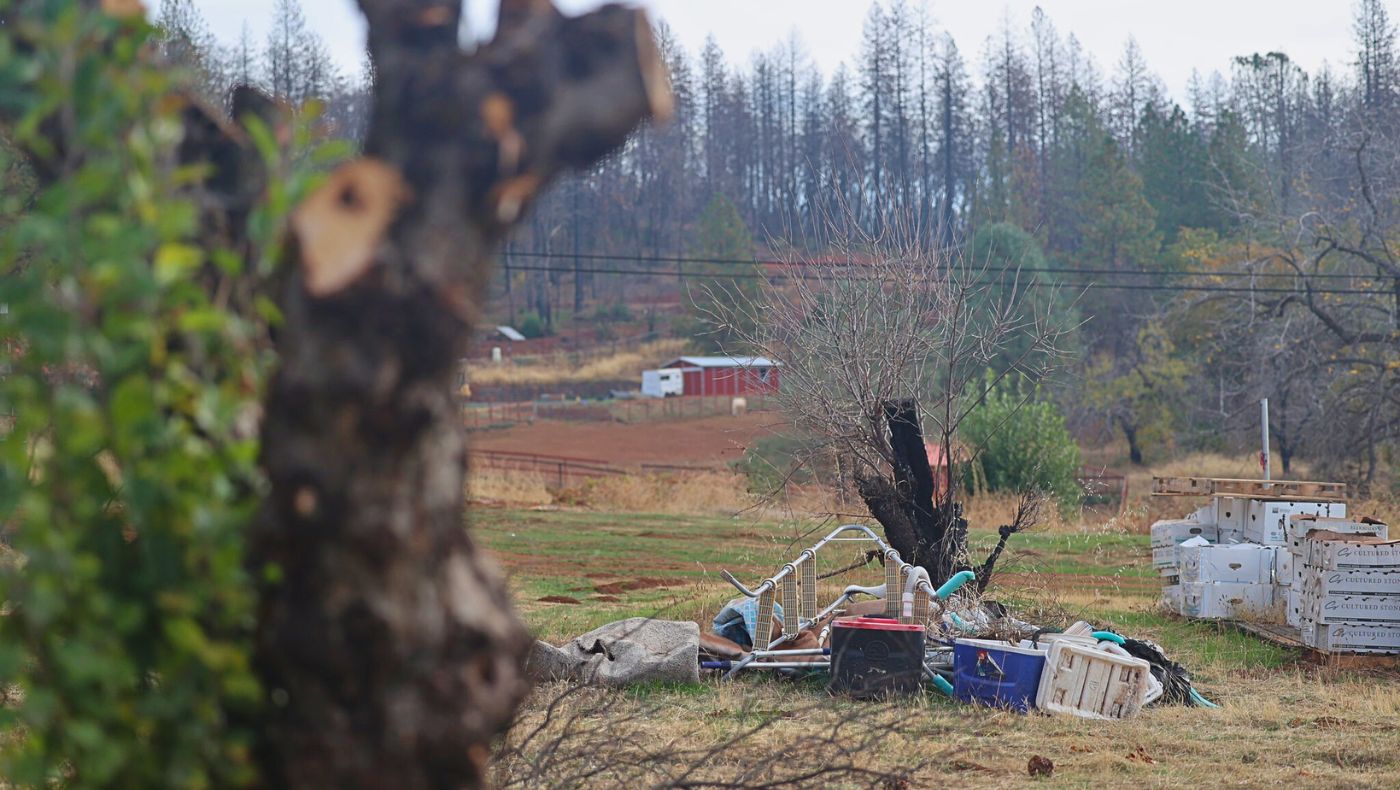
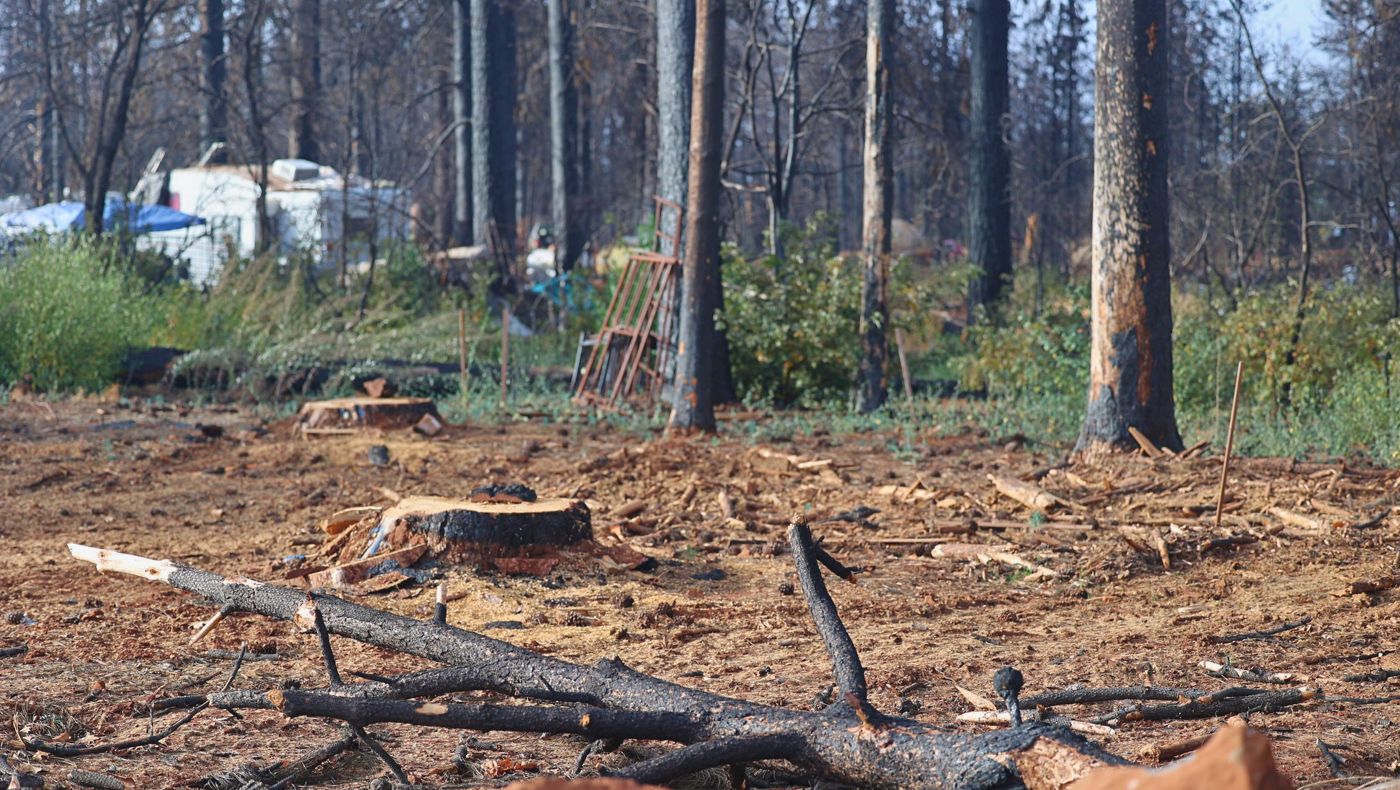
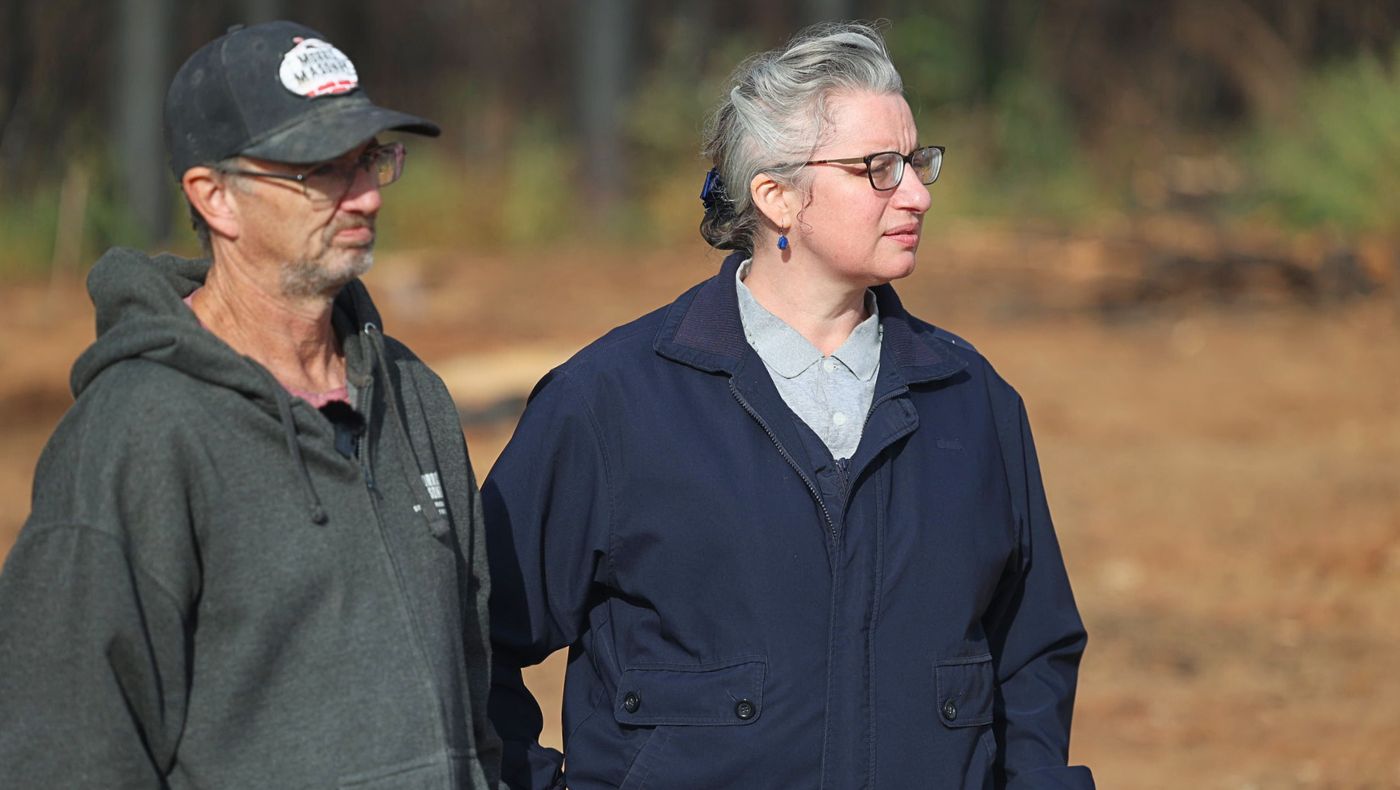
After the Park Fire, what was once home lay in ashes, leaving only land awaiting reconstruction. Photo/Kitty Lu

“We didn’t know where to go or what to do next,” James recalled. 

For James and Renee Morris, married for 36 years, daily life had very abruptly turned upside down. “We lived up here for about 25 years before the fire,” James said. “We had a manufactured home, three-bedroom, two-bathroom. Yeah, all my family lived in this house up until the fire.” 

To make matters worse, the couple was unaware that their insurance was inactive. “They cancelled it three months before. They dropped our insurance. We didn’t know we weren’t insured,” James said. 

The family then relocated to an RV trailer that they parked behind James’s mother’s house in Thermalito, a census-designated place generally considered part of Oroville, about 40 miles from Cohasset. “The trailer, my mom purchased for us, because we didn’t have any money at that time, because of the loss of business, and things were slow right before the fire. After the fire, unfortunately, we had to live off our credit cards, and our credit went down. We’re trying to rebuild that, but it’s a slow process,” James shared.

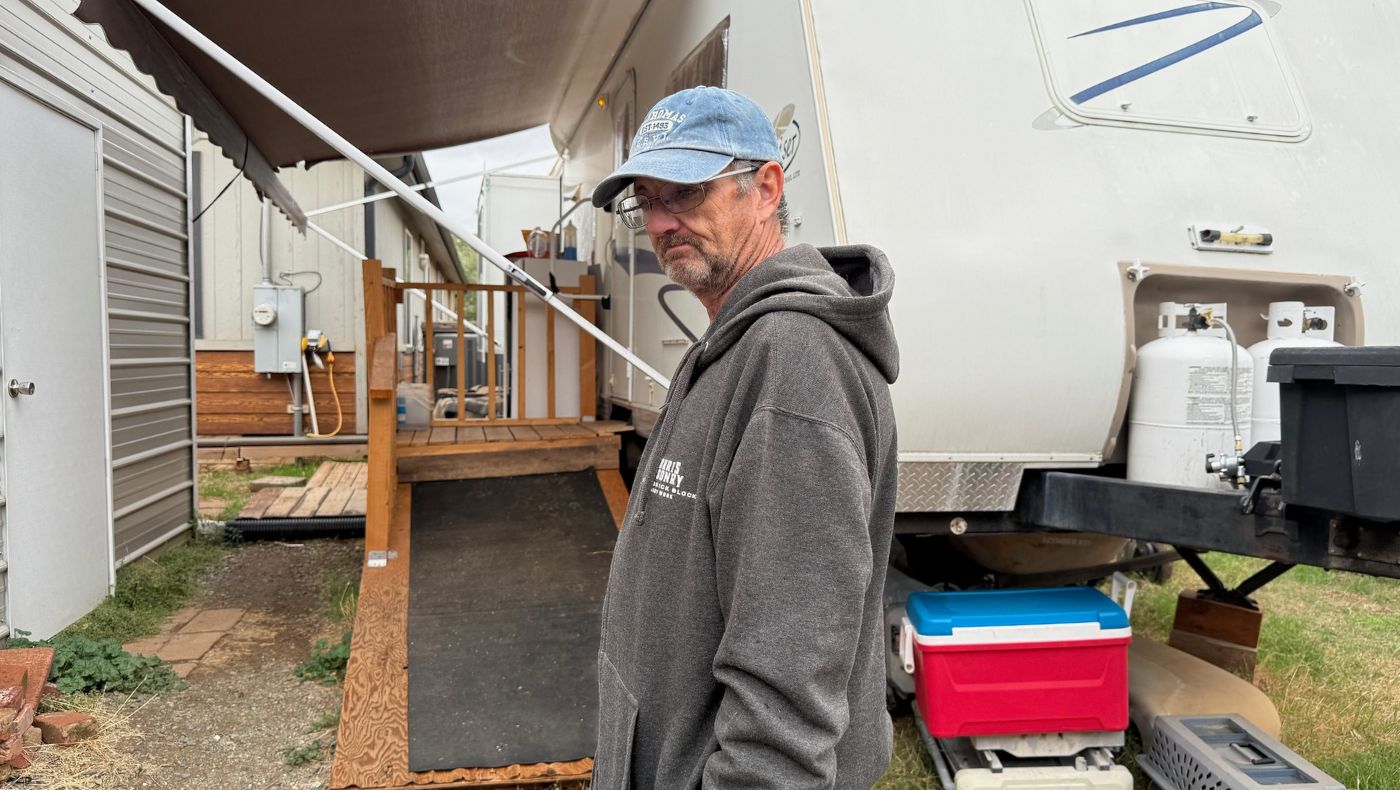
James Morris stands outside the RV trailer behind his mother’s house in Thermalito, reflecting on the long road to recovery after the Park Fire. Photo/Kitty Lu

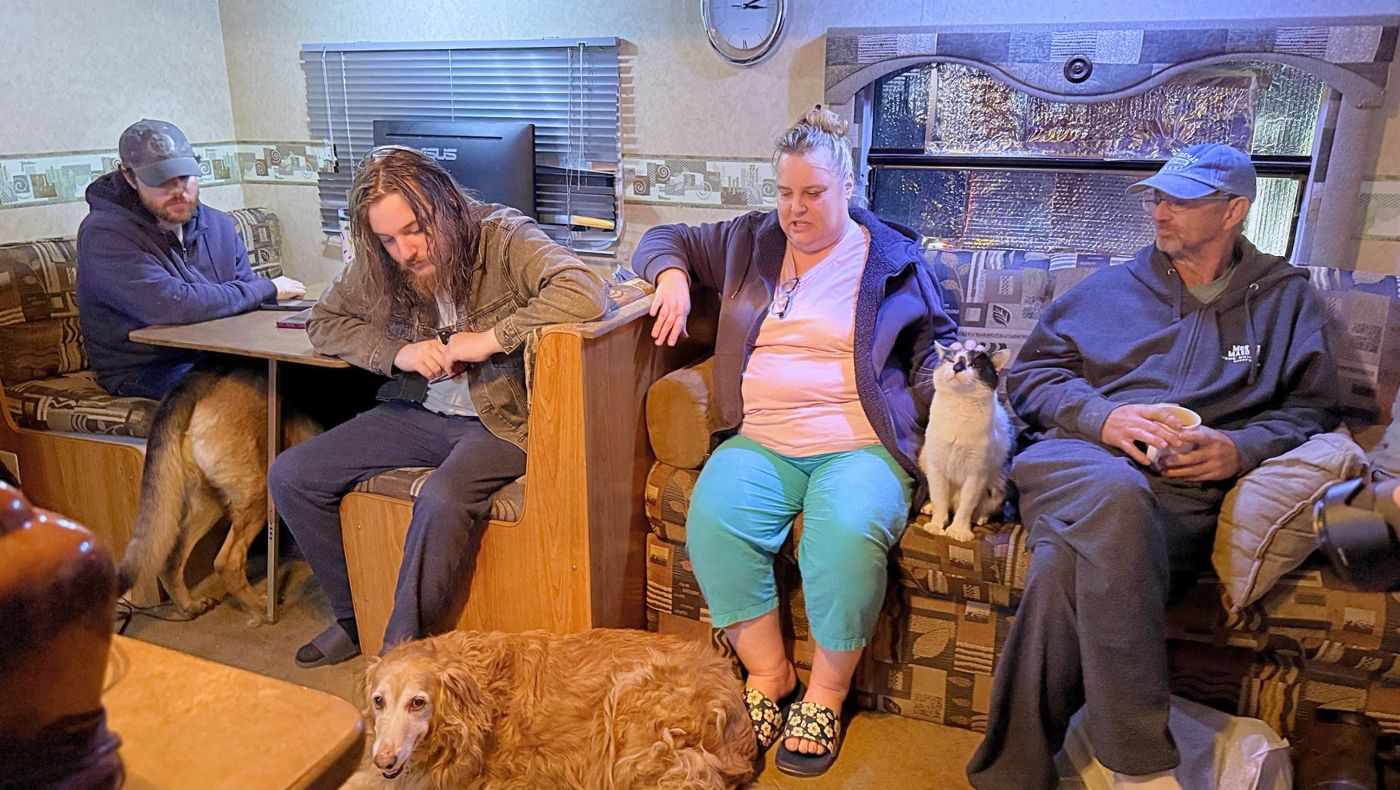
While the material losses were severe and the financial situation was dire, what added to the family’s distress was that, although they had secured shelter, the space could not comfortably accommodate the whole household under one roof. Before the fire, at their home in Cohasset, James and Renee had two adult sons living with them, along with two granddaughters, Havyn and her younger sister. Now, in the trailer, with two dogs and a cat, too, the space was cramped. “It’s just pretty crowded. So I figured I would go somewhere else for the time being,” Havyn Morris said. By July 2025, her sister had also found somewhere else to stay. “So we were all kind of separated. There’s four of us in there now,” James added. 

For Havyn, the decision to move out came at an emotional cost, as she had become accustomed to the daily presence of her grandparents, which was suddenly absent. “I also didn’t have a way to go see them or anything since I didn’t have a vehicle until probably two to three months after the fire. I only talked to them on the phone.”

The most difficult thing was not being around any of my family. I didn't have the support system that I normally have, which are my grandparents.

The Lasting Power of Companionship

“James was the second case I opened, and I met him and his wife out on the property,” Bobbie Rae Jones, a disaster case manager at Tzu Chi USA’s Chico Recovery Center, recounted. “It was a really sad day because they were removing the hazardous trees and there was this really large tree. It was actually, I found out later, the biggest tree in Cohasset, and it was being taken down that day and his wife was crying…” When Jones learned about Havyn’s situation from James, for whom she had been putting together several aid applications over the course of several weeks, she decided to meet her, and was deeply moved. 

Havyn and her sister had already endured more than their fair share of trauma even before the Park Fire. One reason was that they are known among disaster case managers as “dual-impact” survivors, having also been affected by the Camp Fire. Havyn was in middle school at the time, living with her mother and siblings.

“Both the Camp Fire and the Park Fire were the scariest moments,” Havyn admits. “With the Camp Fire, I was on my way to school and I got separated from everyone besides my little sister.” The girls made it to safety, but at a certain point during their escape, Havyn’s sister was pulled from a burning car and now suffers from Post Traumatic Stress Disorder (PTSD). For this reason, knowing there was no room for everyone in their grandparents’ trailer after the Park Fire, Havyn left so her younger sister could stay. Afterwards, Havyn had been staying with different friends, sleeping on couches. 

Sadly, the impact of the Camp Fire reached even farther for the siblings, whose childhood has been perpetually marked by instability. Their mother, who was a renter without insurance, didn’t apply for available wildfire disaster relief assistance after the family lost their home, and the household received no financial support from other resources. This led to continual displacement from one housing solution to another. They were eventually taken in by James, and while the sisters stayed, their mother was eventually asked to leave due to substance abuse issues. 

“My dad has been in and out of my life through my whole entire life. He is currently in San Francisco in rehab, and my mom is an alcoholic, so I don’t want to be around her. I prefer to be around my grandparents,” Havyn, who suffers from complex PTSD, anxiety, and bouts of depression, confided. 

“She’s very strong. She’s very resilient,” Jones observed. Through all the turmoil, Havyn had managed to finish high school and attend college. With help from part-time jobs and college grants to cover living expenses, she was able to stay afloat and graduate, with plans to start working in the salon industry building her clientele. “I’m a licensed cosmetologist and I’ll be taking my state board soon to become a licensed barber,” Havyn is happy to say.

Jones has proactively assisted the family through various hurdles, regularly checking in on their well-being as she helps them navigate post-disaster resource applications. 

With her support, the family has gradually regained their rhythm. 

Moving Toward Hope Amid Loss

With Bobbie’s assistance, Havyn Morris successfully acquired a mobile home as a transitional residence, allowing her to reunite with her family while maintaining space for independent living and work.
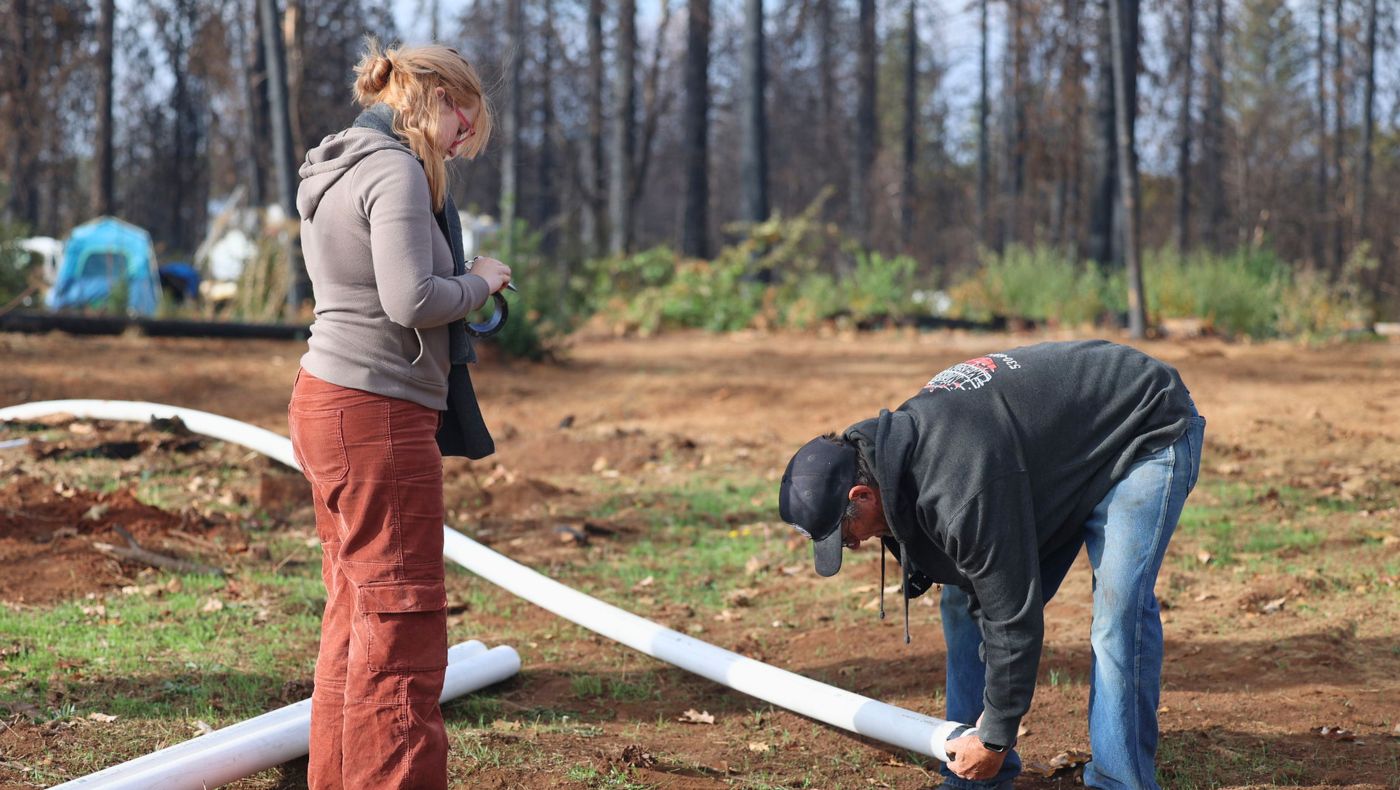
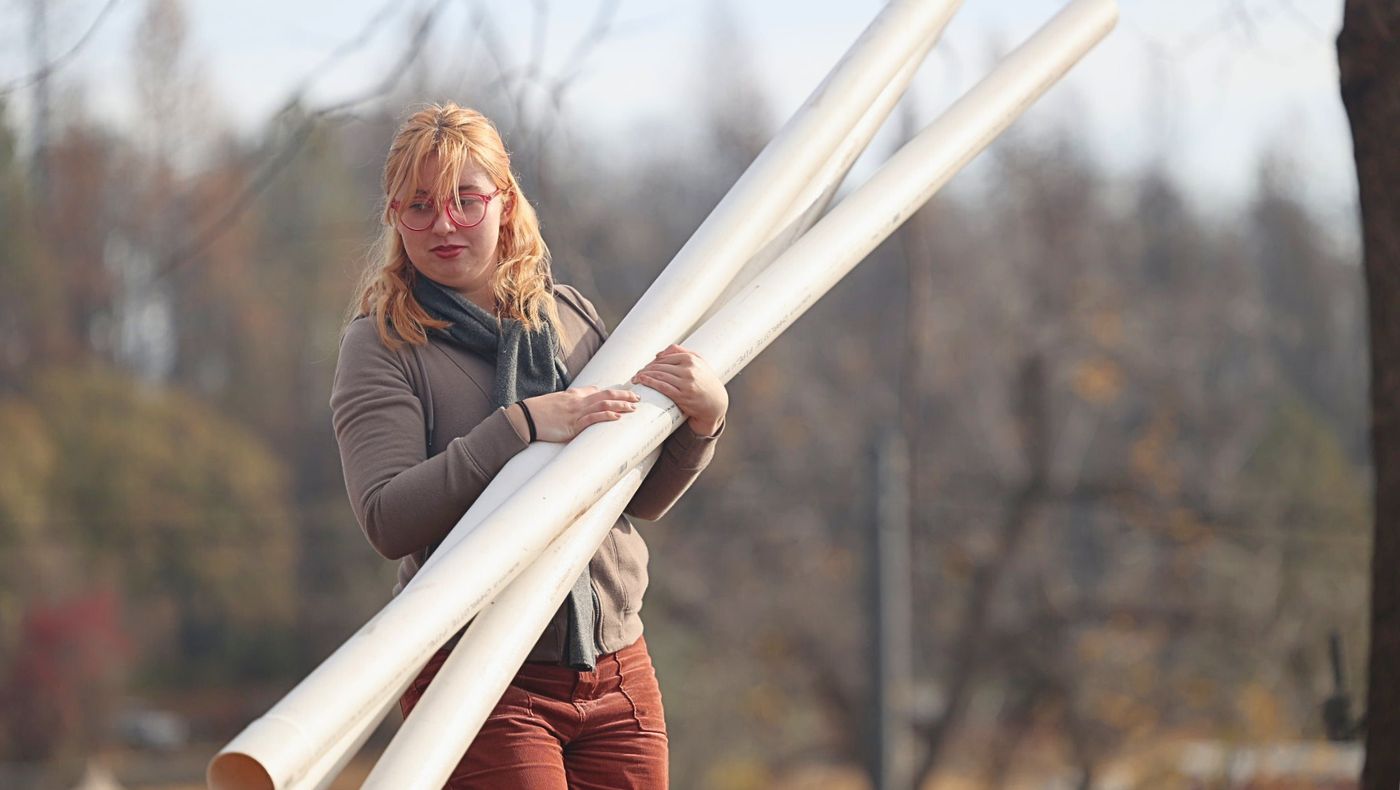
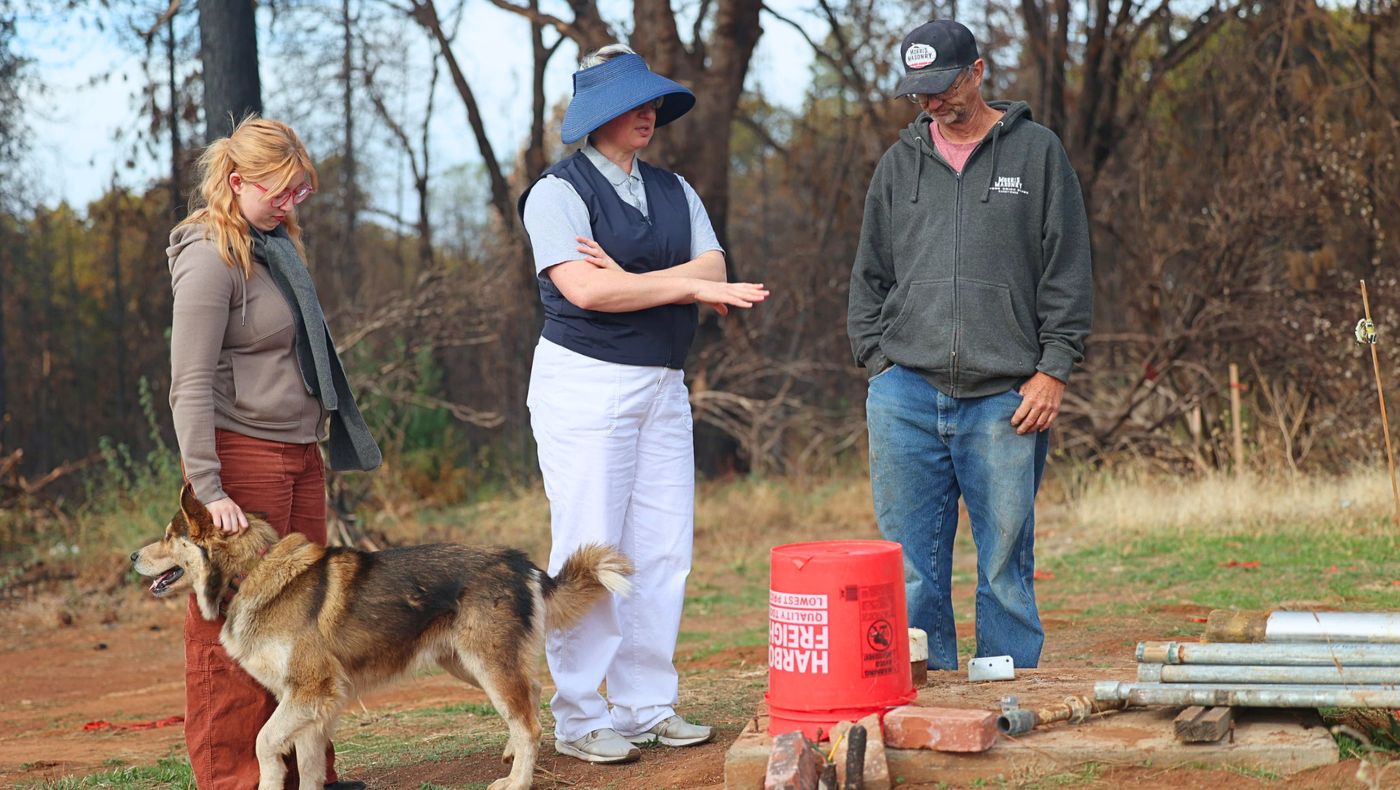
Havyn assists her grandfather with rebuilding the sewage system after the disaster. Photo/Kitty Lu

I could see that she needed help getting back home. She said, ‘I want to just be back home with my papa.’ And I said, ‘I'm going to help you get back home.

And so, on October 24, 2025, Havyn Morris walked across the bare, fire-scarred clearing, the ground only beginning to green again in patches, toward the white trailer. Her grandfather, James Morris, had used his work truck to place it on the family homestead in Cohasset.

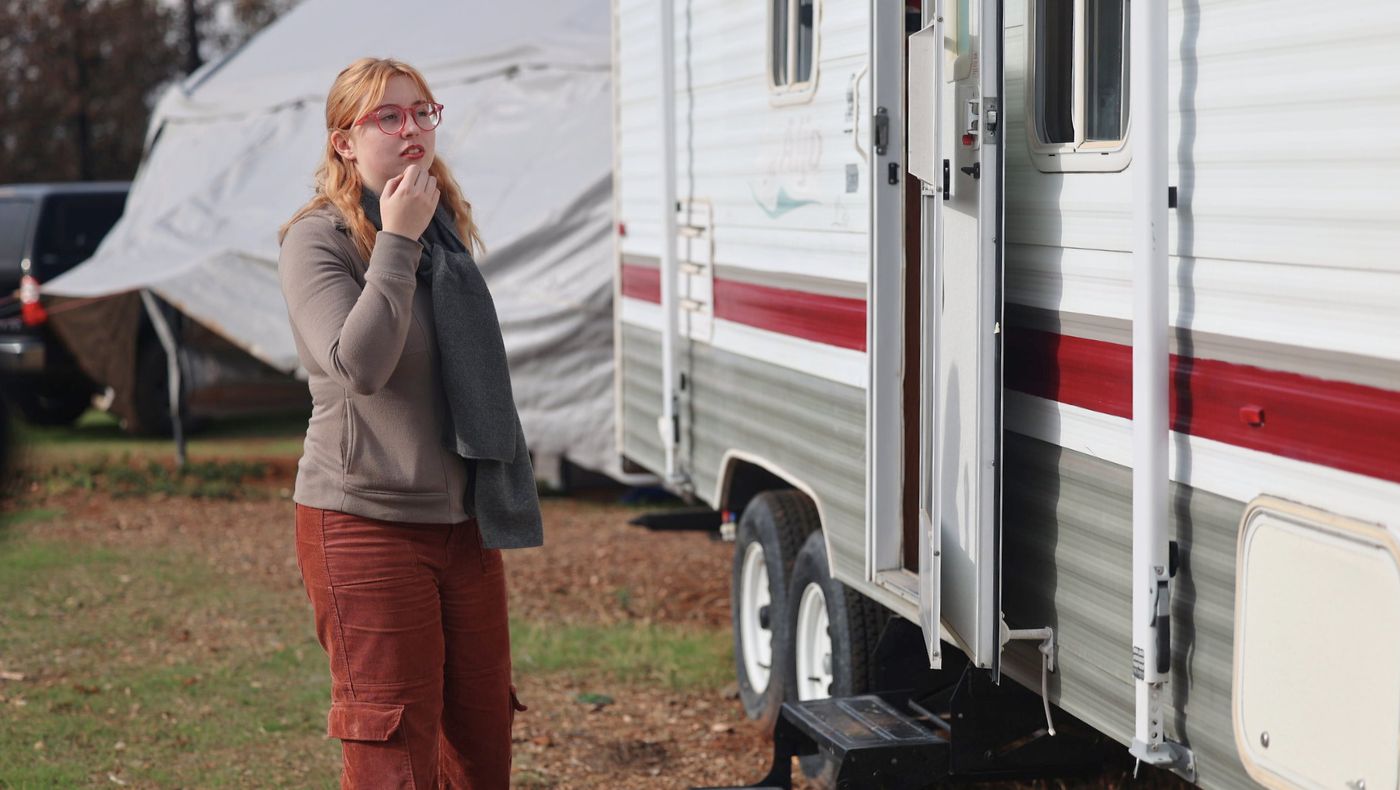
Standing before her new home, Haven embraces the unknown with determination. Photo/Kitty Lu
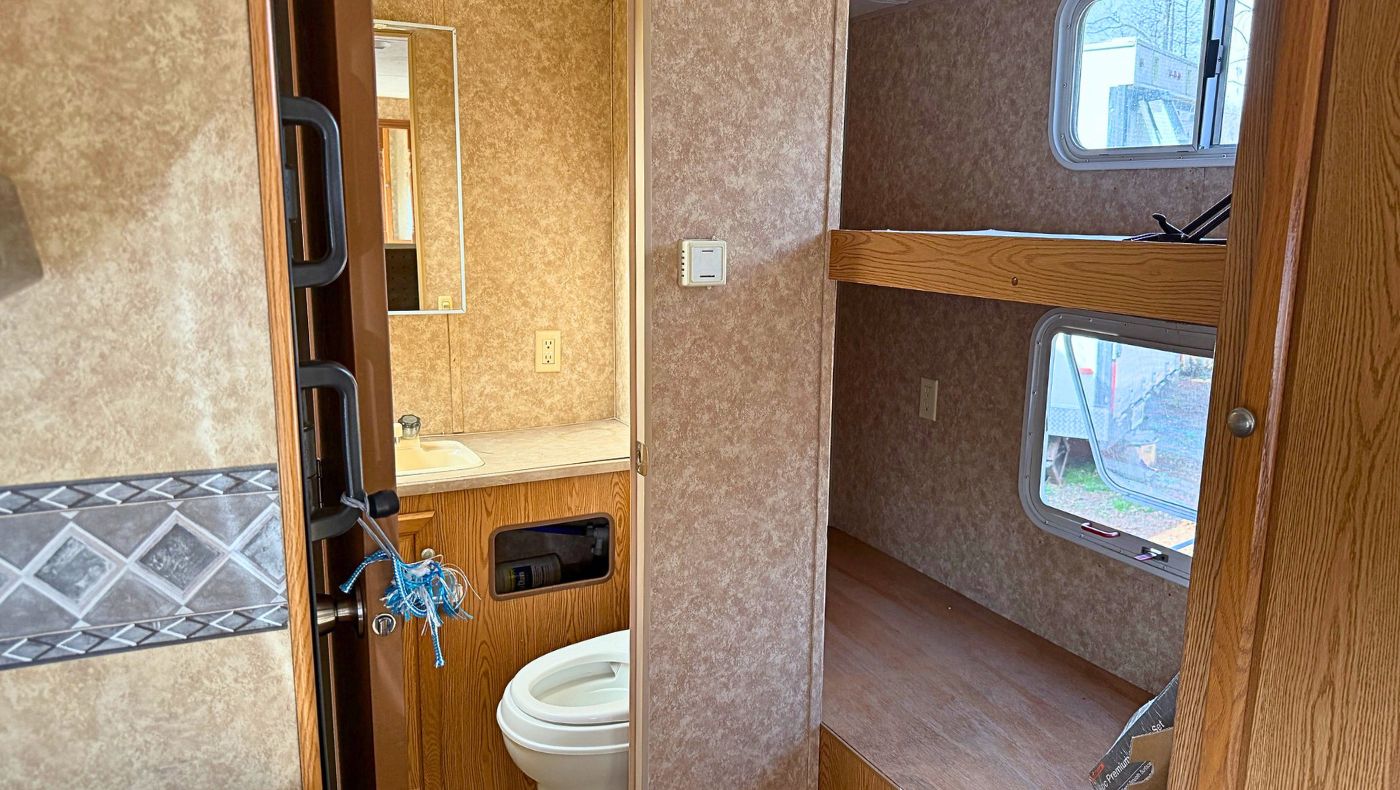
Though compact, this mobile home is fully equipped. Photo/Kitty Lu

The trailer’s interior furnishings were simple but complete, including a compact bathroom, sleeping area, dinette, kitchen with cabinets and sink, and right there, a stove that made her grin. 

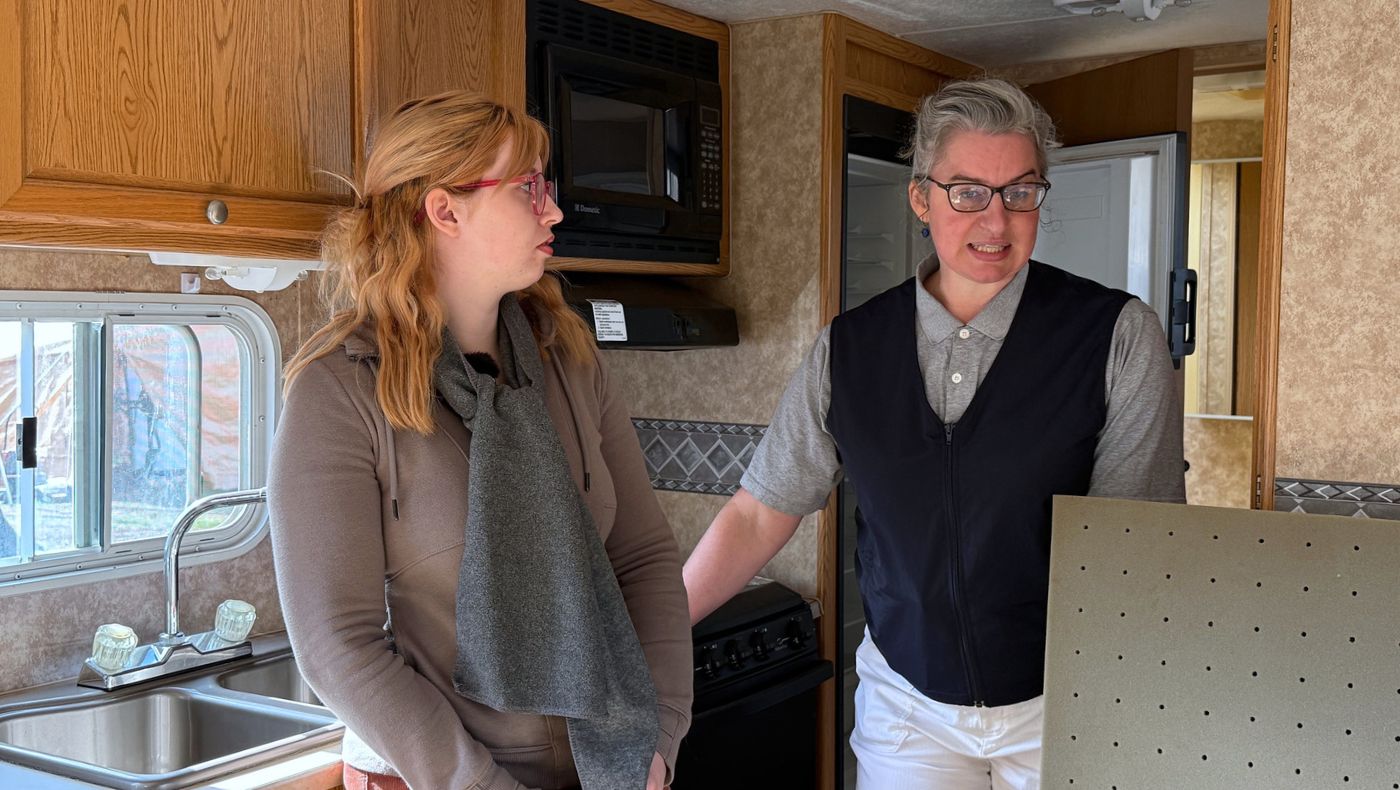
Bobbie Rae Jones was just behind her as they stepped inside, and the 20-year-old exclaimed upon looking around, “Yay! It’s a stove. I get to cook and bake. I’m so excited! I love it.”

After more than a year of displacement and uncertainty since the Park Fire burned through the region in 2024 and upended the Morris family’s stability, the arrival of the trailer felt like a fresh start for Havyn, a home, finally, that would soon put an end to months of couch-surfing.

The journey to rebuild is long, but Havyn is ready to keep going. Photo/Kitty Lu

Jones assessed Havyn’s next needs as a generator, a fridge, and other essentials, since she has no household belongings. For Havyn, the support is helping her navigate the emotional roller coaster associated with complex PTSD. “I definitely do have some of my ups and downs. But how I look at it is, I just have to keep a smile on my face. That’s the best thing I can do. I can’t hold on to the past. I have got to move forward,” she said resolutely. 

To see her trailer, and to see this is going to be her home, and give her the opportunity to live back with her family in the same area, it brings me so much joy.

Inside the trailer that will soon be her home, Havyn Morris listens as Bobbie Rae Jones outlines a plan for securing the essential equipment and household basics Havyn still needs. Photo/Kitty Lu
Though cramped, as long as the family is together, the trailer is a home that shelters from wind and rain. Photo/Kitty Lu

Jones is continuing to assist Havyn’s grandfather, James Morris, as well. The ultimate goal is to secure funding to rebuild a home that can accommodate the whole family. Once infrastructure is recovered, the plan is to bring the trailer that is now parked in Thermalito, and one that they hope to acquire for Havyn’s younger sister, onto the property as soon as possible. “I’m trying to get that ready. I got the power, waiting on the power, but today I’m going to be doing the sewage system so we can hook into the trailers when we get up here. We got a temporary permit to live on the premises while we’re rebuilding,” James reported.

Bobbie Rae Jones accompanies the survivors on the path to post-disaster reconstruction. Photo/Kitty Lu

Though the path to recovery is long, the Morris family continues to move forward step by step with hope in their hearts.

The one thing I’ve learned is you just never know when you need to reach out for help. And luckily, there are plenty of people who help.

With Tzu Chi by their side throughout these post-disaster challenges, the Morris family strides onward. Photo/Kitty Lu

More News Stories

X
微信裡點"發現"
掃QRCode便可分享此頁
複製網址
前往微信
按"複製網址"後複製連結後,再按"前往微信"即可前往微信App分享此頁