English

A Decade of Compassion: Ongoing Aid in Sierra Leone (Pt 2)

National Headquarters  |  June 12, 2025
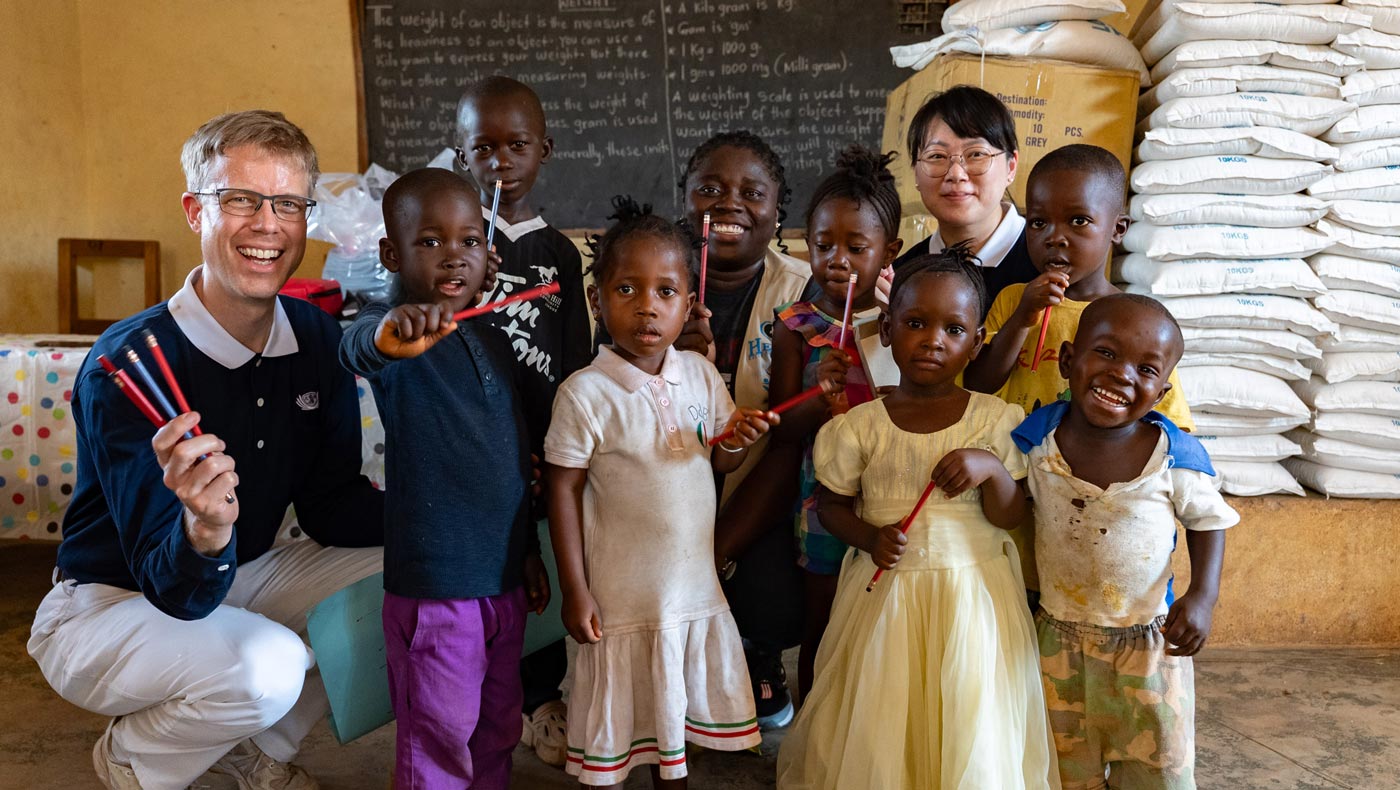
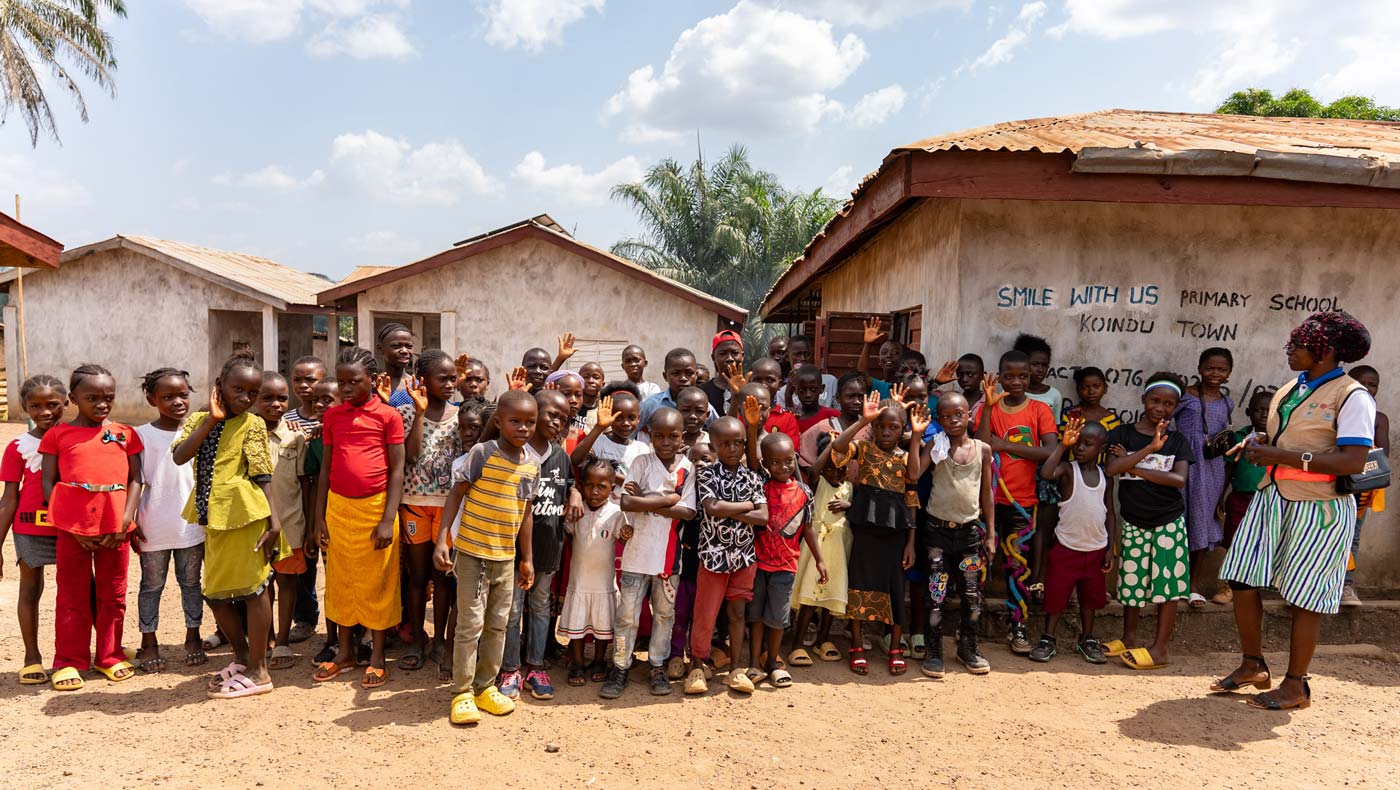
During their February 2025 trip to Sierra Leone, the team visits several communities and institutions that Tzu Chi has been assisting. At the Smile for Us Orphanage in Koindu – the epicenter of the 2014 Ebola outbreak in Sierra Leone – children greet the visitors with joy and open hearts. Photo/Michael Mazur

Read Part 1 of this story.

Written by Ida Eva Zielinska

Since 2015, Tzu Chi has provided sustained humanitarian aid to communities in Sierra Leone, a nation in West Africa that continues to rebuild in the wake of a brutal civil war and the 2014 Ebola outbreak. In February 2025, a Tzu Chi delegation returned to Sierra Leone to deepen partnerships, evaluate program outcomes, and explore ways to expand efforts.

As we explored in Part 1 of this story, these efforts – from large-scale food distributions and nutritional support for children to vocational programs that empower women – have had a meaningful and lasting impact. In Part 2, we witness how that same spirit of compassion and collaboration is uplifting Ebola survivors, transforming the lives of people with disabilities, and supporting community resilience in Freetown’s most disadvantaged neighborhoods.

A Friend in Times of Need Is a Friend Indeed

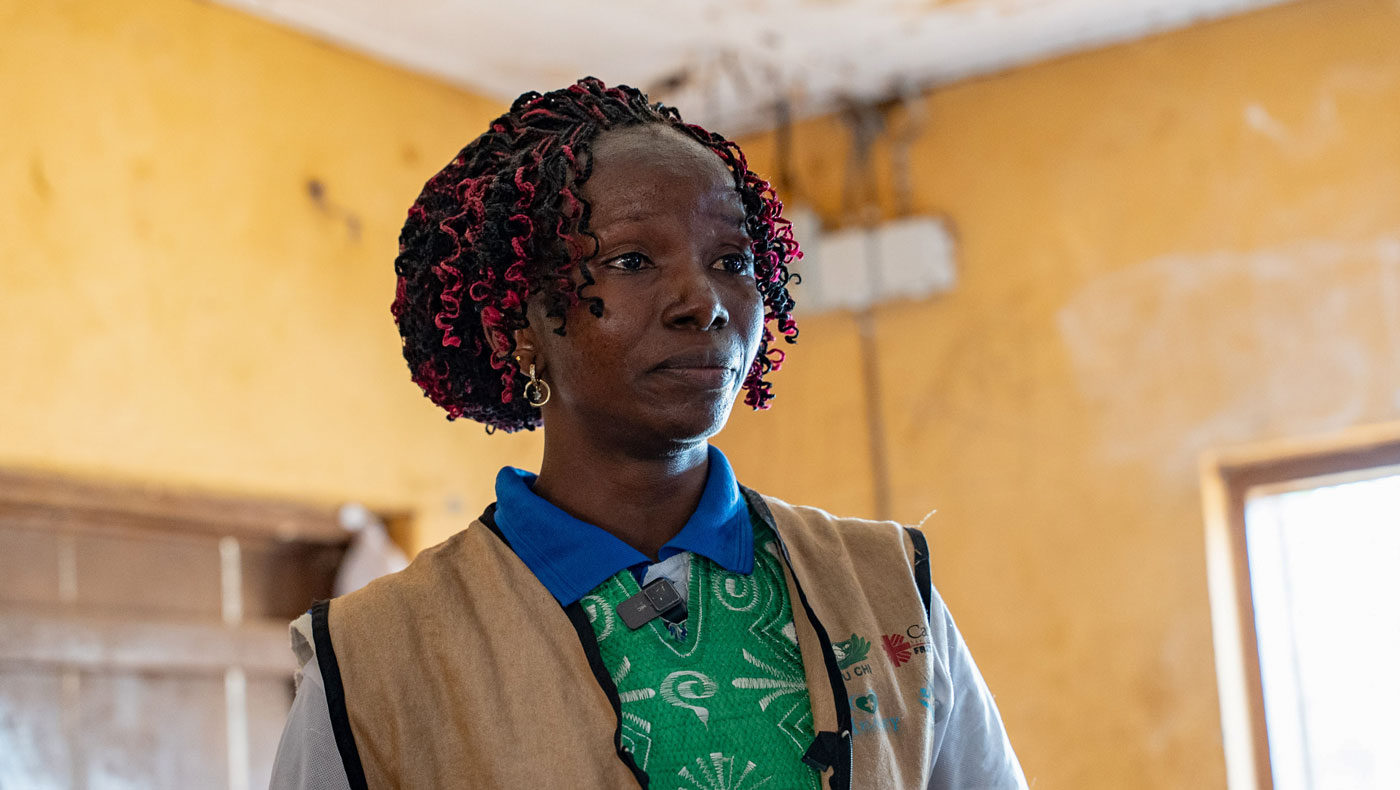
During their two-week trip in February, the Tzu Chi delegation traveled to Koindu, located in the Kailahun District of eastern Sierra Leone, where the first confirmed case of Ebola in the country was reported during the 2014 outbreak. Residents still vividly recall the horrors they experienced. “Every day, people were dying. Every hour, people were dying!” said Victoria Yillia, the first person in Sierra Leone to survive Ebola and be discharged from treatment, although she lost 21 relatives to the disease.

Koindu resident Victoria Yillia, Sierra Leone’s first Ebola survivor, is now a Tzu Chi community volunteer. “We thank God for the Tzu Chi Foundation and what they are doing in our lives,” she told the visiting team. Photo/Michael Mazur

“Some of us lost our entire family. I gave up all hope. I prepared for whatever was to come,” shared Tzu Chi volunteer Mustapha Massaquoi, who is also a staff member at the Lanyi Foundation, one of Tzu Chi’s long-term partners in Sierra Leone.

When Ebola broke, they thought it was an African problem, and nobody paid the necessary attention. But, Tzu Chi immediately got in contact with us and they were asking how they should help.

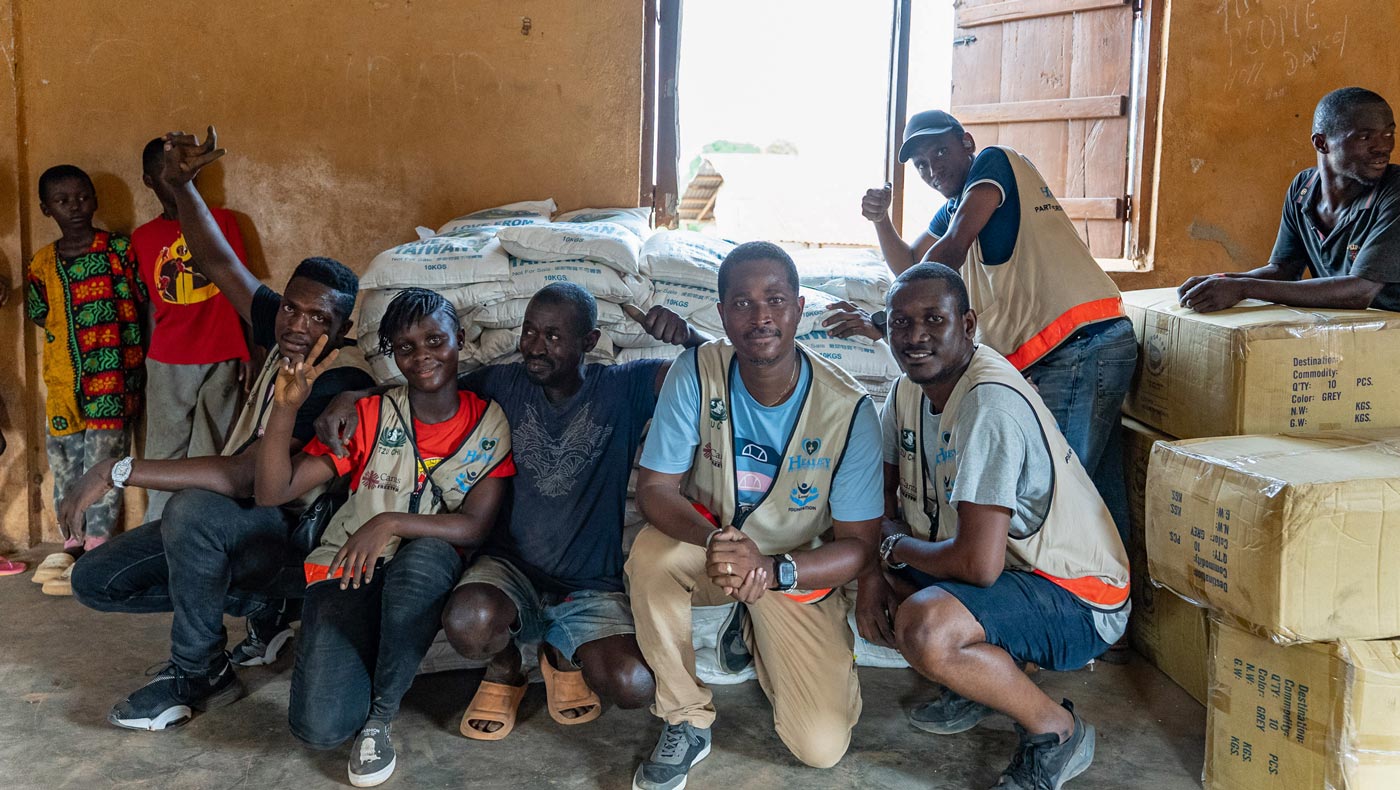
While others turned away during the peak of the crisis, Tzu Chi and its partners leaned in, delivering vital rice distributions despite the risks and logistical obstacles. “Coming to Koindu is coming to the end of the country. You have to drive from Freetown to Kailahun Town, and then you hit rough road. It’s full of hills, lots of ditches, and during the rainy season, it’s even worse,” explained Ishmael Alfred Charles, a Tzu Chi volunteer and Caritas Freetown Programs Manager. “We are the only organization that comes to serve on a consistent basis because we always go where many people wouldn’t want to go.”

Ishmael Alfred Charles and a team of local volunteers prepare to distribute rice and blankets in Koindu. Tzu Chi provides the community with rice, multigrain powder, and eco-blankets on an annual basis. Photo/Michael Mazur

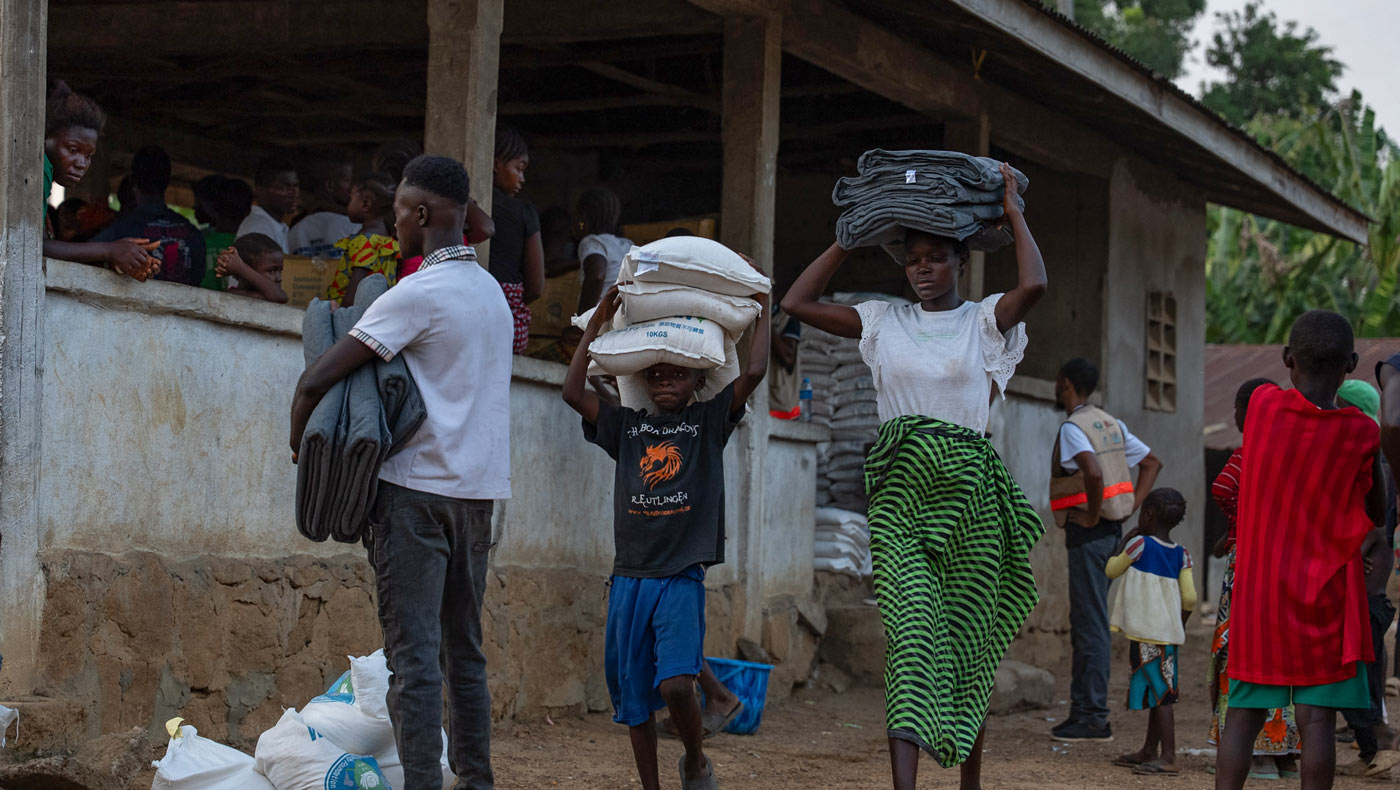
During their trip, the Tzu Chi team also visited Kalia, a village near Bo, Sierra Leone’s second-largest city. Severely affected during the Ebola outbreak, many of Kalia’s residents contracted the virus. In the aftermath, the community became known as an “Ebola Survivor Village,” where survivors and their families have worked to rebuild their lives. Tzu Chi supports the community by providing rice and eco-blankets to aid in ongoing recovery efforts.

Residents of Kalia’s Ebola Survivor Village leave the distribution site with the rice and eco-blankets received from Tzu Chi. Photo/Michael Mazur

While enduring the Ebola crisis, Sierra Leoneans affected by the outbreak found strength and solidarity amid the trauma of stigma and loss. In January 2015, Yusuf Kabbalah founded the Sierra Leone Association of Ebola Survivors (SLEAS) to advocate for the rights and welfare of those impacted. He recalled his painful self-questioning at the time: “Am I a threat to the nation? Am I an animal? I started asking myself, ‘Who am I?’” That reflection became the catalyst for action. “I am a conqueror. I survived Ebola,” he affirmed.

“People avoid you as an Ebola survivor, and you lose respect in the community. We were aware that as Ebola survivors, we would excel more if we worked together,” Massaquoi from Lanyi Foundation recalls as he started working with SLEAS. “That’s how I started working with Tzu Chi,” he added.

Kabbalah envisions a shift in the aid dynamic for Ebola survivors – one that uplifts them from beneficiaries to contributors. While Tzu Chi’s ongoing rice distributions remain essential, he hopes survivors can increasingly take on roles such as farming and selling goods, helping to sustain and expand the impact.

We have a lot of potential in us. Ebola is gone, but we are heroes. We are able to change our community and the face of our community. This time is the beginning of the transformation.

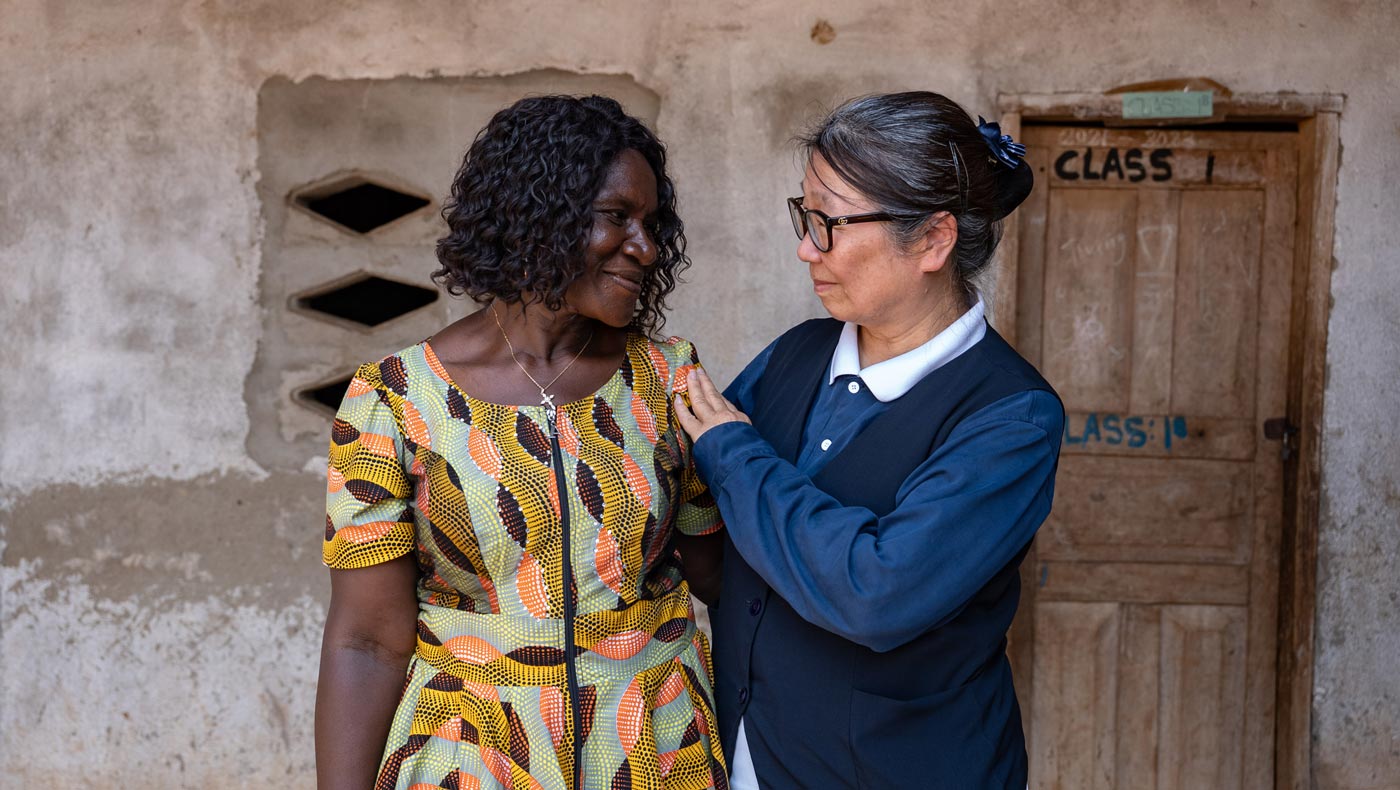
Koindi resident Mary Finda Sesay has also stepped up on behalf of Ebola survivors. “During the Ebola outbreak, they told me about a kid whose mother died. I said, ‘Okay, bring her here.’ I gathered over 20 children in this area,” she recalled, describing how she founded the Smile With Us Orphanage. Tzu Chi supports the orphanage through ongoing rice distributions. “You always ensure the food gets to us. You have compassion and love for us. So this orphanage belongs to us all,” she told the Tzu Chi team.

Mary Finda Sesay, founder of the Smile With Us Orphanage, and Debra Boudreaux, Tzu Chi’s Chief International Affairs Officer, share a heartfelt moment during the team’s visit to the orphanage. “In 2016, when I was here, Auntie Mary told me, ‘I’m building an orphanage.’ I saw her make her wishes come true,” said Boudreaux, deeply moved. Photo/Michael Mazur
During their visit to the Smile With Us Orphanage in Koindu, the Tzu Chi team brings rice, eco-blankets, and pencils for the children. The pencils carry the hope that education will open new paths for each child’s future. Photo/Michael Mazur

Friendship is not determined by when things are good. Friendship is determined when things are not going well: the one who stands by. When I think of Tzu Chi, that’s the image that comes to mind: a friend who comes to us in our most difficult circumstances.

Disability Is Not Inability

In Sierra Leone, physical disabilities are often met with social rejection, cultural taboos, and discrimination, causing deep suffering. Grafton, about 20 miles from Freetown, is home to many affected by polio. The emotional scars of exclusion still linger. One resident recalled, “Life in the village was tough. My disability made others avoid me. When asked about her children, my mother says four and a half. Calling me ‘half’ because of my disability.”

“Sometimes they will say you are bewitched, and you are a witch as well. They see you as fearful. They see you as a devil. They will throw you away. They will take you to the forest. Can you imagine if you were left alone in the forest until you die? And they will say the demons have taken you away,” shared Sylvanus Bundu Bangura, founder of the Grafton Polio Challenge Association.

Esther Biango, the association’s vice president, added that parents often prevent their disabled children from attending school. “They say, ‘What are you going to do there? You are deformed.’” Facing limited prospects, many resort to begging or state aid. “Why do we have to go to the state to beg? Because of our disability? No. Disability is not inability,” declared Matthew Tholley, Director of the Polio Persons Development Association.

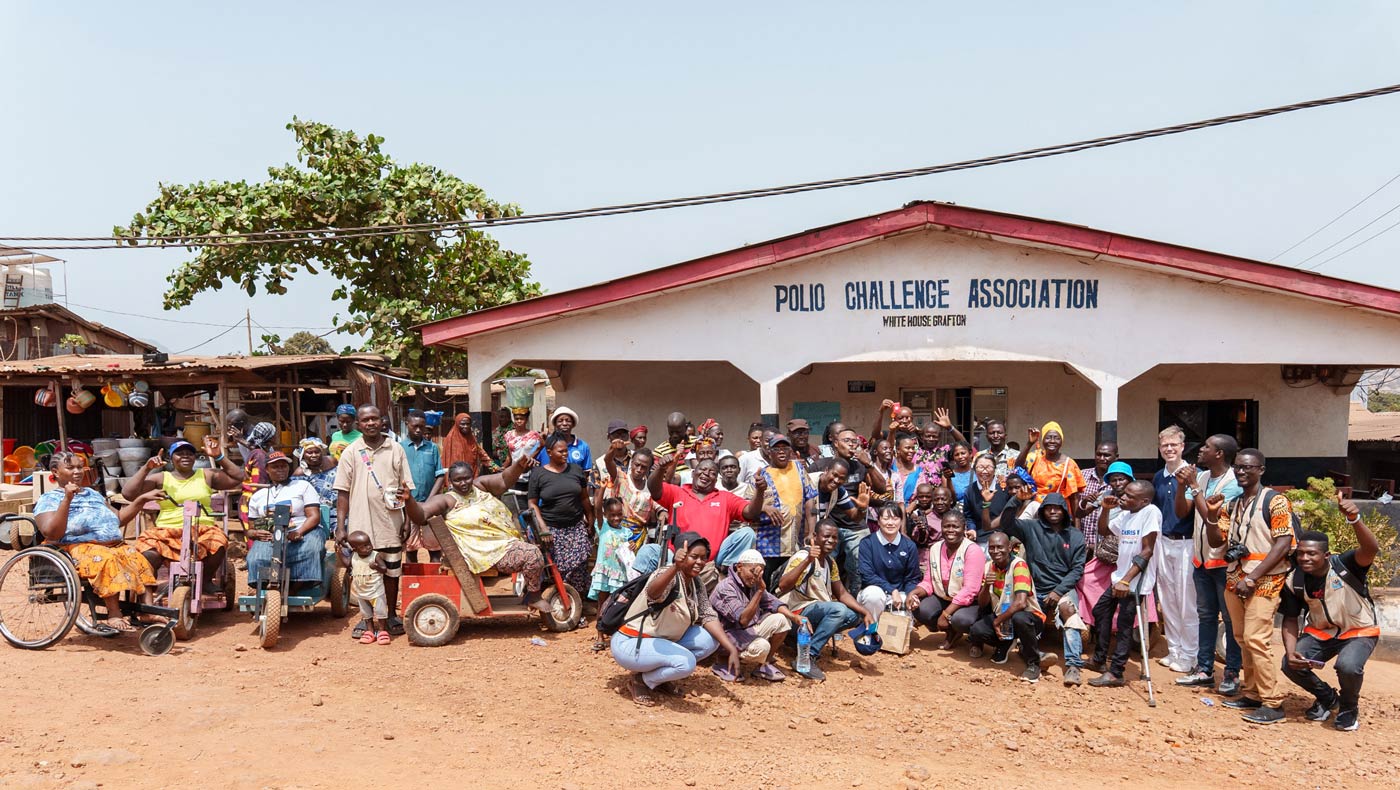
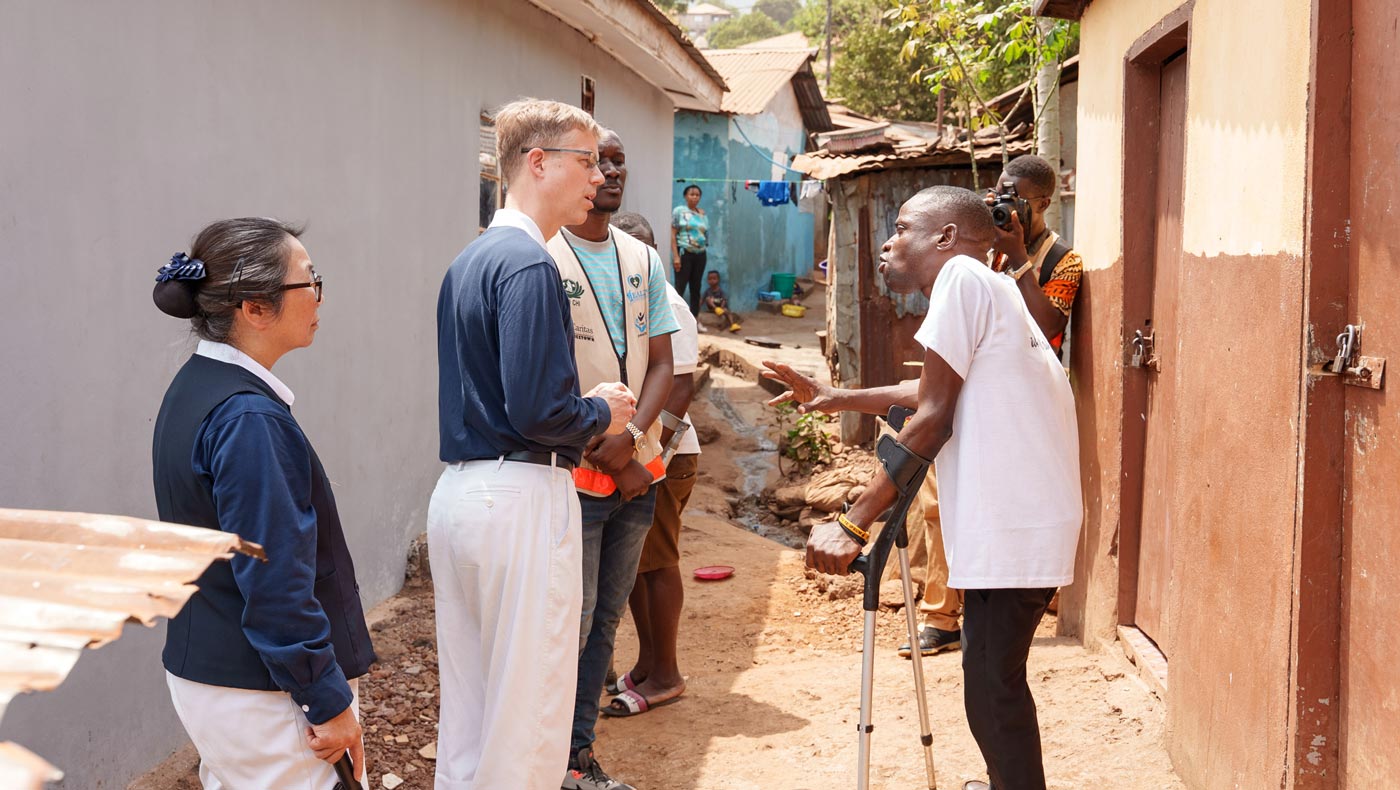
The Tzu Chi team’s visit to the Polio Challenge Association’s center in Grafton draws a crowd. While they are there, Matthew Tholley, Director of the Polio Persons Development Association, guides the group through the community and explains the ongoing challenges faced by polio survivors. Photos/Michael Mazur

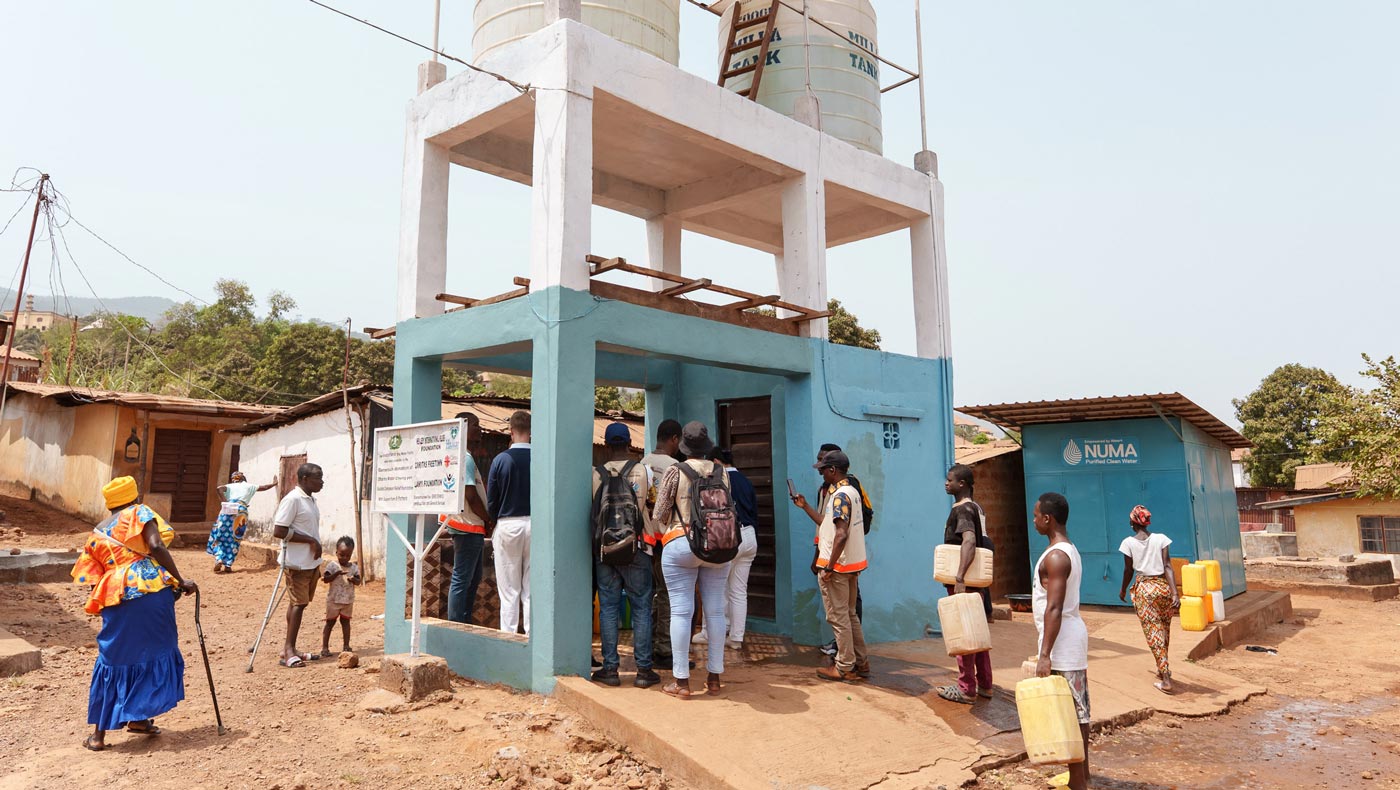
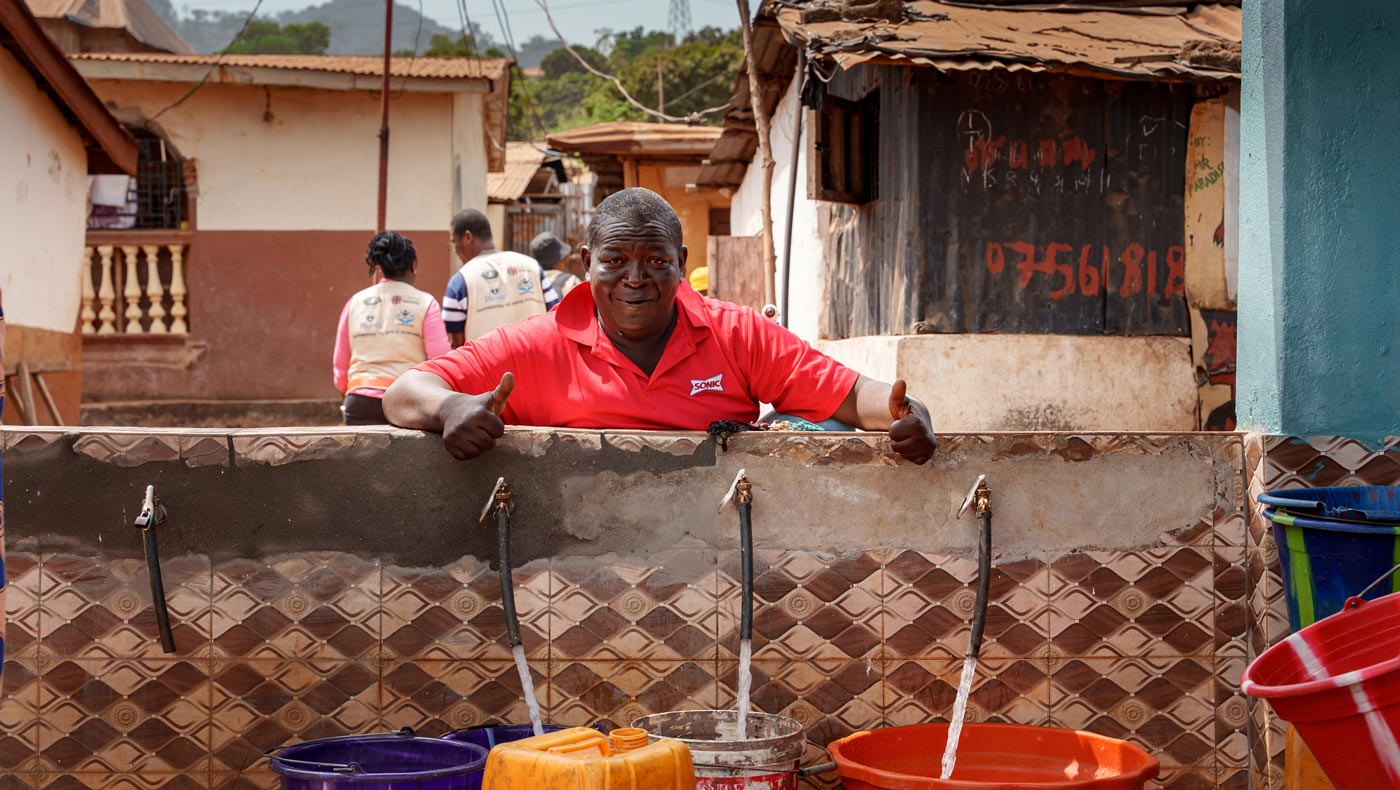
Beyond these social barriers, the community also lacked access to clean water. In response, Tzu Chi, together with the Healey International Relief Foundation, Caritas Freetown, and the Lanyi Foundation, constructed a cutting-edge solar-powered water well in Grafton. Inaugurated in 2023, this well was a life-changing gift to the Polio Challenge Association and the wider Grafton community. It has transformed daily life and helped shift public perception of people with disabilities.

Community members gather to draw clean water from the modern well in Grafton, built by Tzu Chi and its partners. The presence of this basic resource has become a source of both pride and empowerment. Photos/Michael Mazur

“We have respect in the Grafton community because other communities come to fetch water,” said Biango. “It has provided economic growth,” Bangura added, noting that disabled parents can now earn enough to pay school fees. Some have even started small businesses, like breadmaking, thanks to this vital resource. The future now looks bright, indeed.

This partnership has made disabled people employed, useful, productive, and resourceful. You know, the government and society will change their perception to say: These are responsible people. These are useful people. So lots of things will change.

Change Is Possible With Support

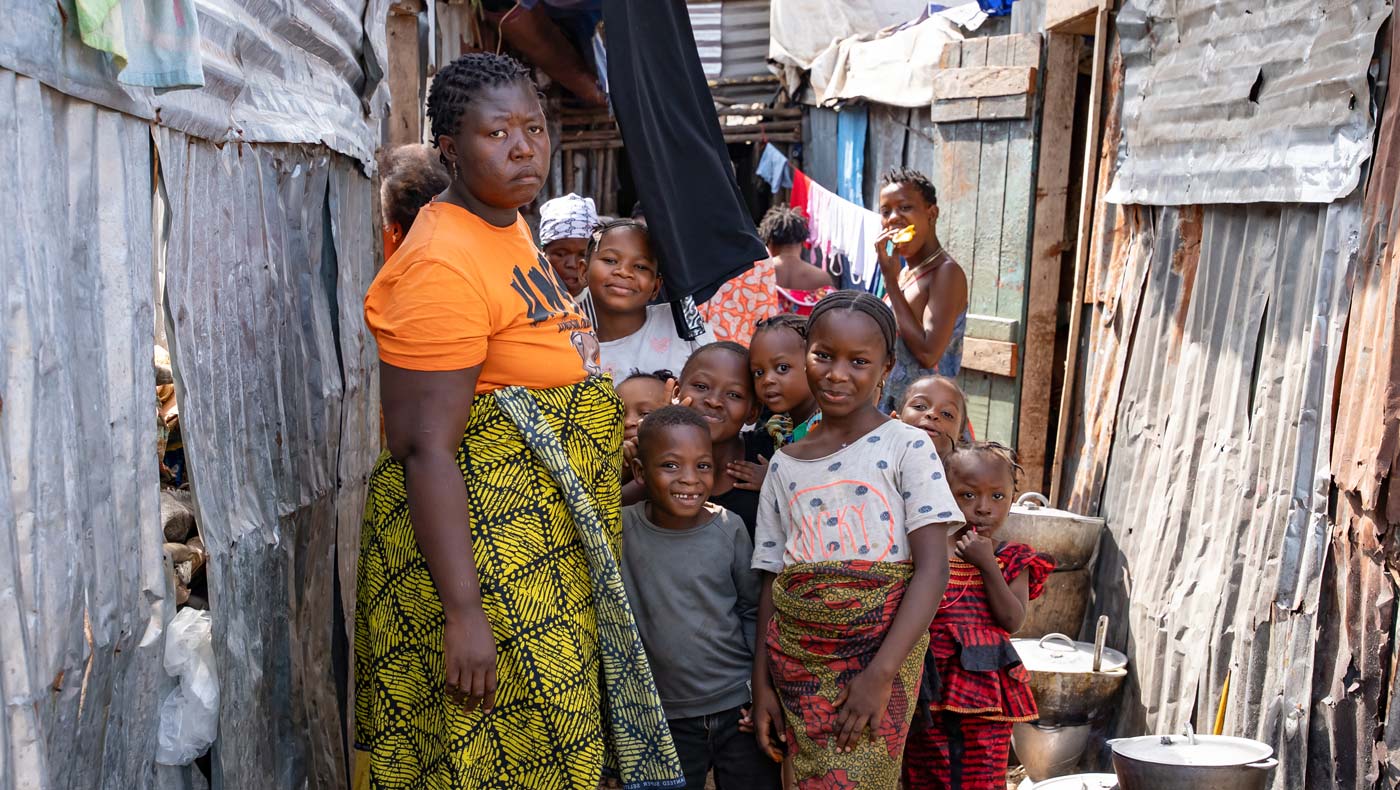
The trip also brought the Tzu Chi delegation to Susan’s Bay, Kroo Bay, and Dwarzak, densely populated settlements in Freetown, where poverty, frequent flooding, inadequate sanitation, and plastic waste impact residents’ health and safety. Many impoverished people from rural areas converge in this coastal city, seeking the opportunities that only an urban environment can provide.

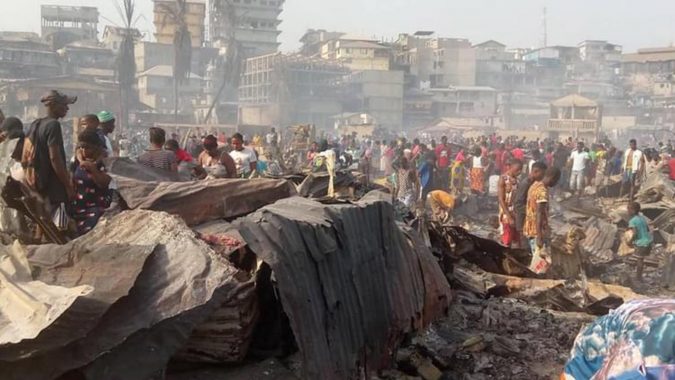
Susan’s Bay is a densely populated community of 22,000 residents living in makeshift homes. In 2021, a devastating fire left over 7,000 people homeless. In response, Tzu Chi and its partners provided 21 days of hot meals and distributed essential relief supplies to affected families. Photo/Michael Mazur

Yet the affordable living conditions here are precarious and risk further deterioration. “According to the World Bank, by 2028, our city is going to have two million people. Literally, our population is exploding. And why do the settlements continue? Because there’s no planning,” explained Freetown Mayor Yvonne Aki-Sawyerr when she met with the Tzu Chi team.

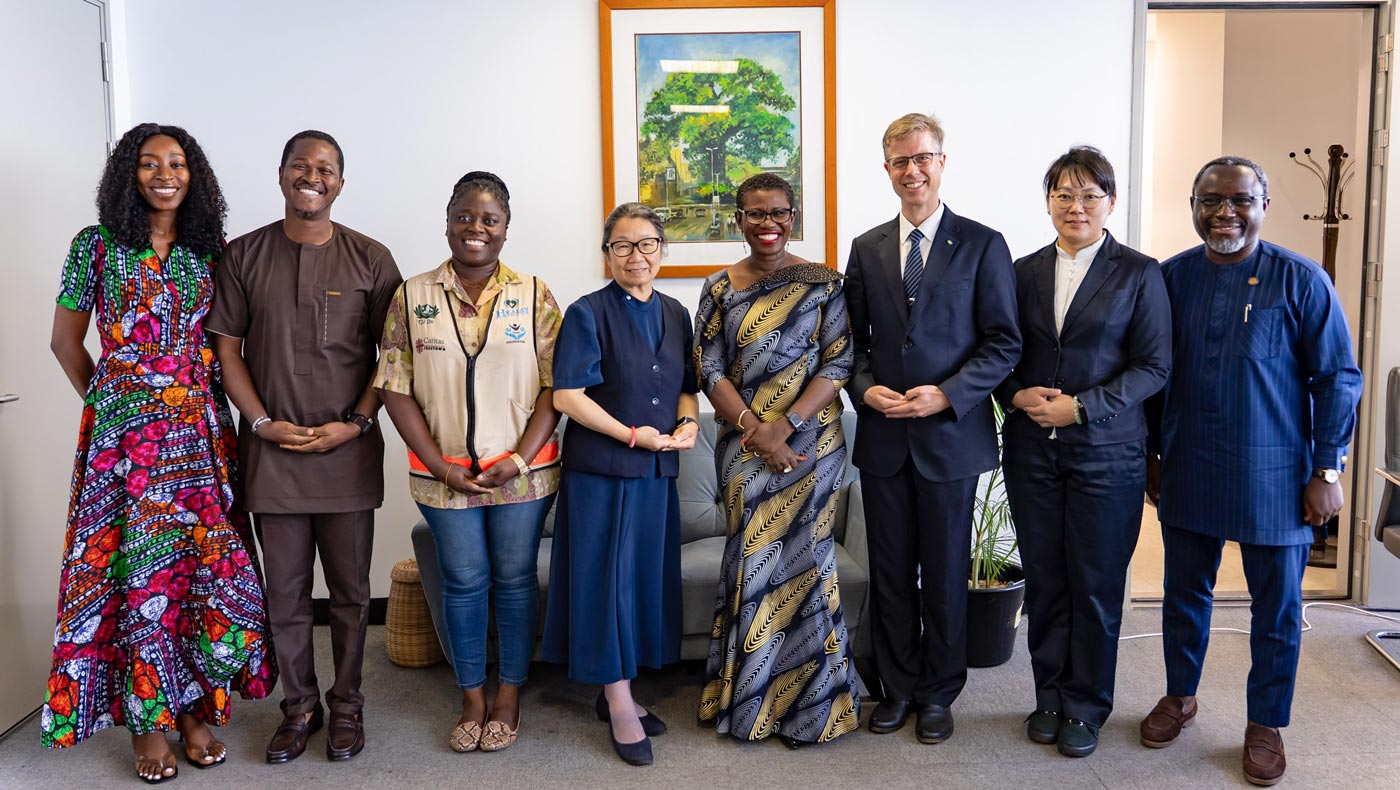
The Tzu Chi team meets with Freetown Mayor Yvonne Aki-Sawyerr. Discussions cover initiatives that resonate with Tzu Chi’s work across Sierra Leone, including infrastructure, public health, water access, waste management, and durable housing solutions. Photo/Michael Mazur
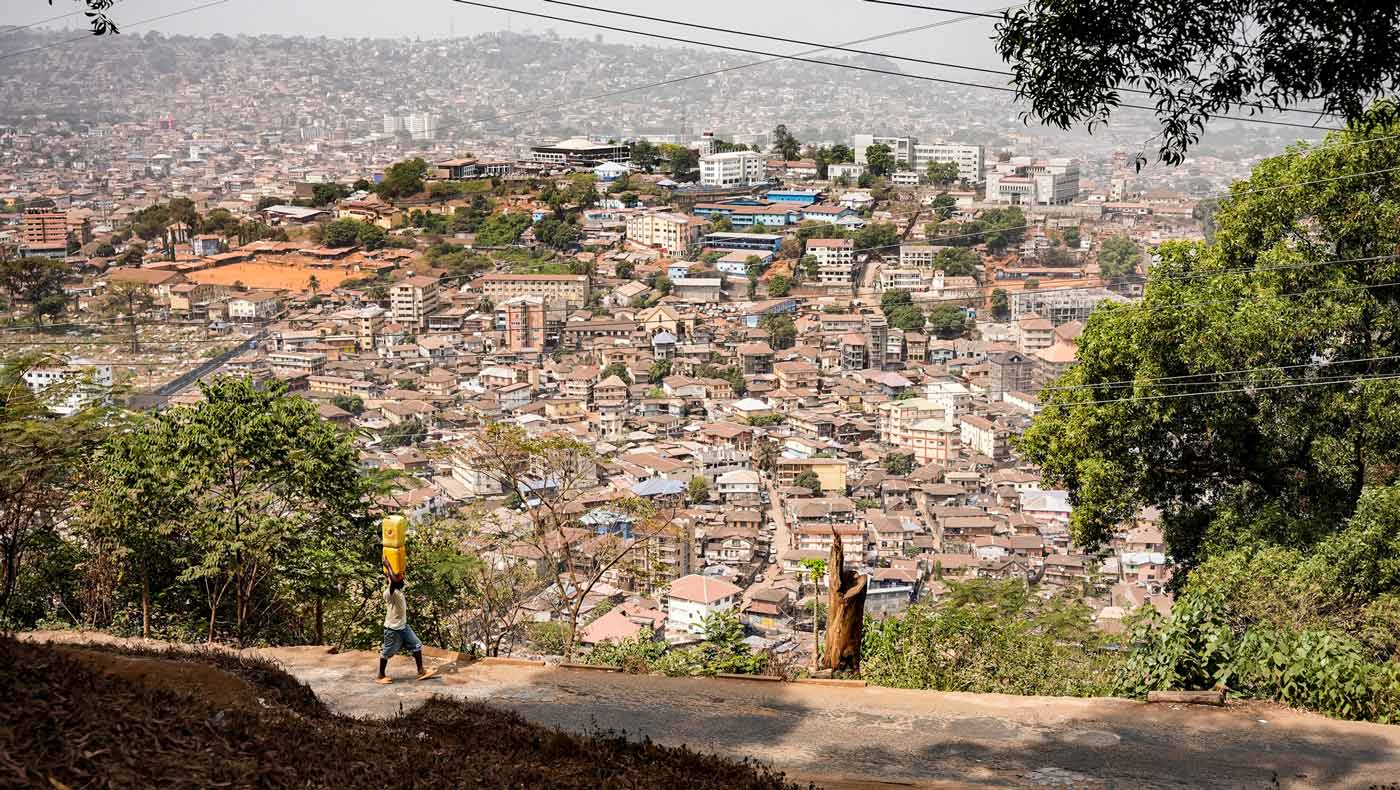
As its population grows, unplanned urban expansion and overcrowded settlements strain Freetown’s already fragile infrastructure. Photo/Michael Mazur

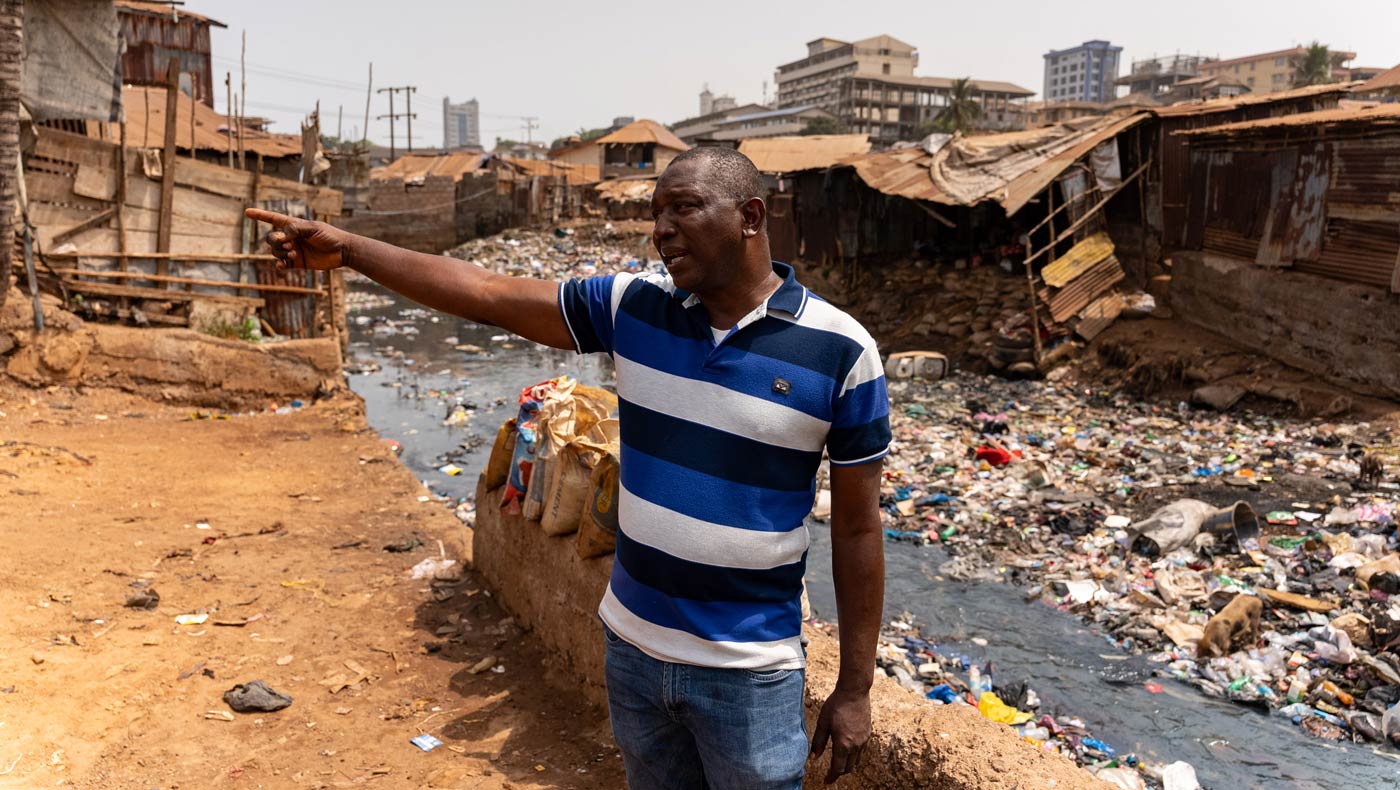
The consequences of unplanned urban expansion are visible in a range of serious issues. “The key challenge Kroo Bay faces is sanitation,” said Mohamed Thonkla Koroma, Vice Chairman of Kroo Bay’s Community Disaster Management Committee. “The drainage system is clogged with all sorts of waste. Dwarzak is on top of the hill. When the rain comes, all the waste from Dwarzak is sent down here. It causes illnesses, especially diarrhea among children, and malaria.”

Mohamed Thonkla Koroma, Vice Chairman of Kroo Bay’s Community Disaster Management Committee, guides the Tzu Chi team through the densely populated neighborhood, where unstable housing, frequent flooding, and poor sanitation are ongoing challenges for residents. Photo/Michael Mazur

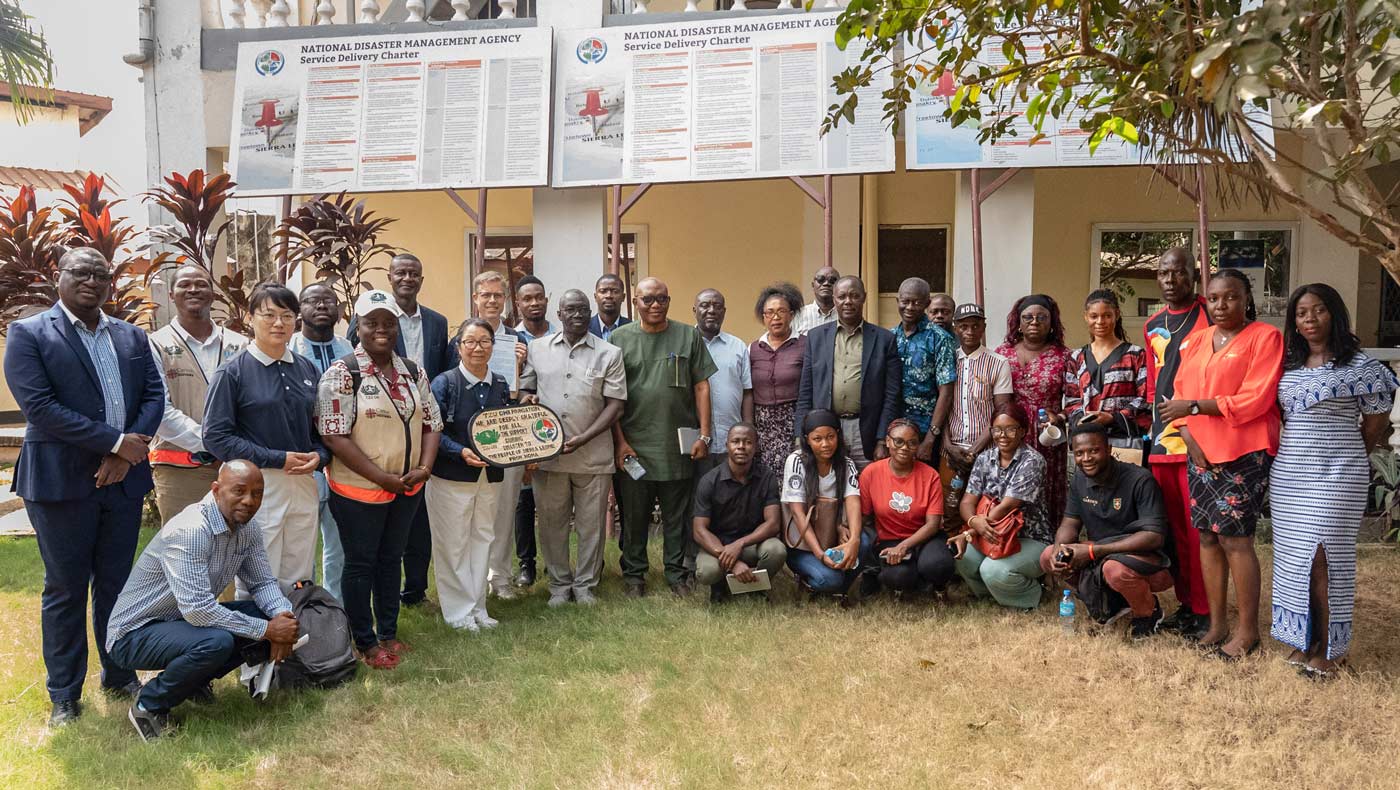
“They are hard-to-reach communities. They are overcrowded. Some of the houses are built in places that are not fit for construction,” said Sinneh Mansaray, Director of Relief and Response at the National Disaster Management Agency of Sierra Leone (NDMA). “Every year, we have to respond to recurrent fire disasters. When it comes to the rainy season, those communities are going to flood.” Moreover, “when disasters do occur, it takes people further into poverty,” noted retired Lieutenant General Brima Sesay, NDMA’s Director General.

Tzu Chi has been supporting the NDMA to help reduce the impact of disasters, respond more effectively when they occur, and advance mitigation efforts. In addition, with support from Tzu Chi and Caritas Freetown, local leaders and government agencies are implementing community-driven initiatives, including recycling centers, educational programs, and flood mitigation projects, to address the complex challenges faced by these settlements.

On February 12, 2025, the team meets with Sierra Leone’s National Disaster Management Agency to discuss disaster response efforts. Photo/Michael Mazur

A fundamental aspect of Tzu Chi’s aid efforts is engaging residents of these settlements, who must adapt and let go of practices that worsen local conditions. This shift is possible, noted Debra Boudreaux, Tzu Chi’s Chief International Affairs Officer, because “They want to have a better life. They want to change.”

We believe that if we empower these communities, they can be self-reliant so that when they have their children’s children, their children’s children will know that, yes, our forefathers did something for our lives to be better.

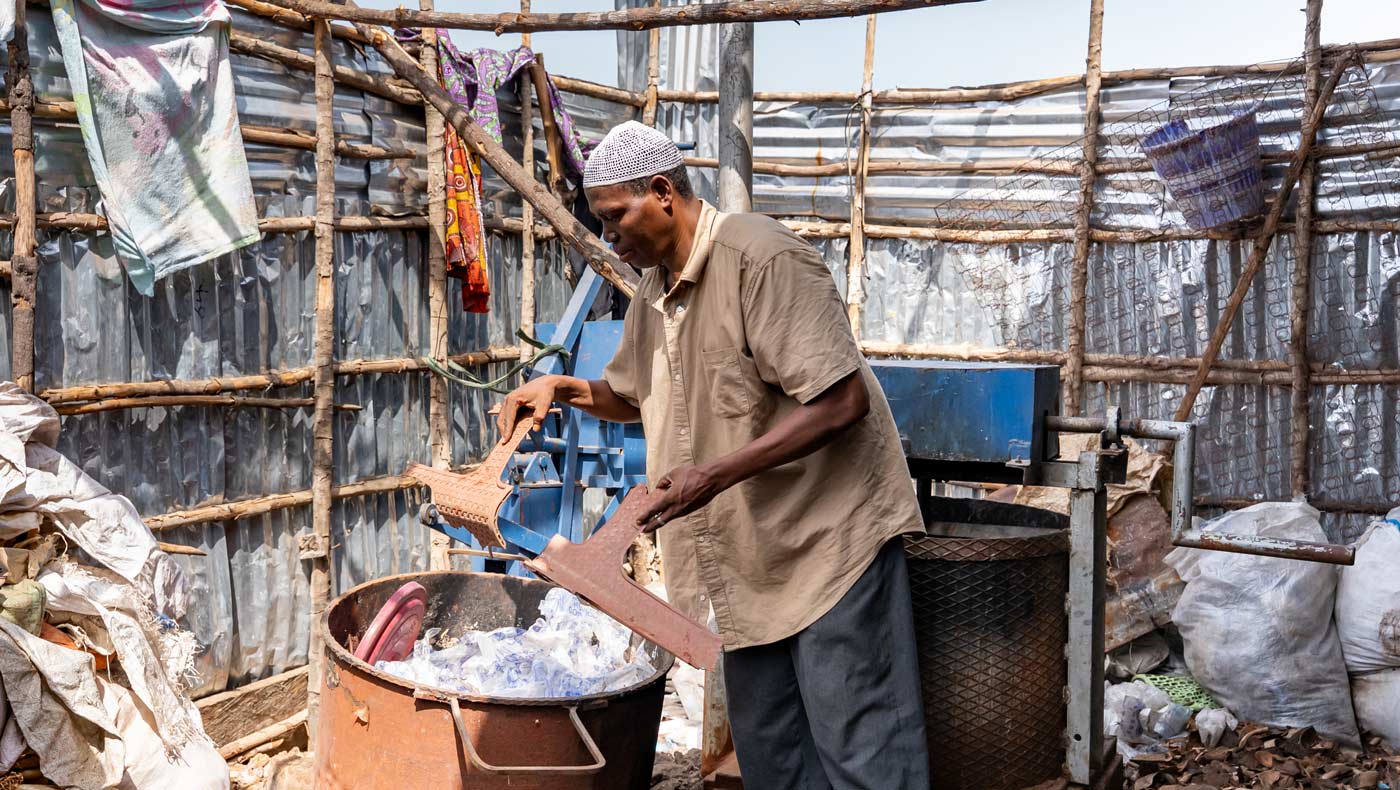
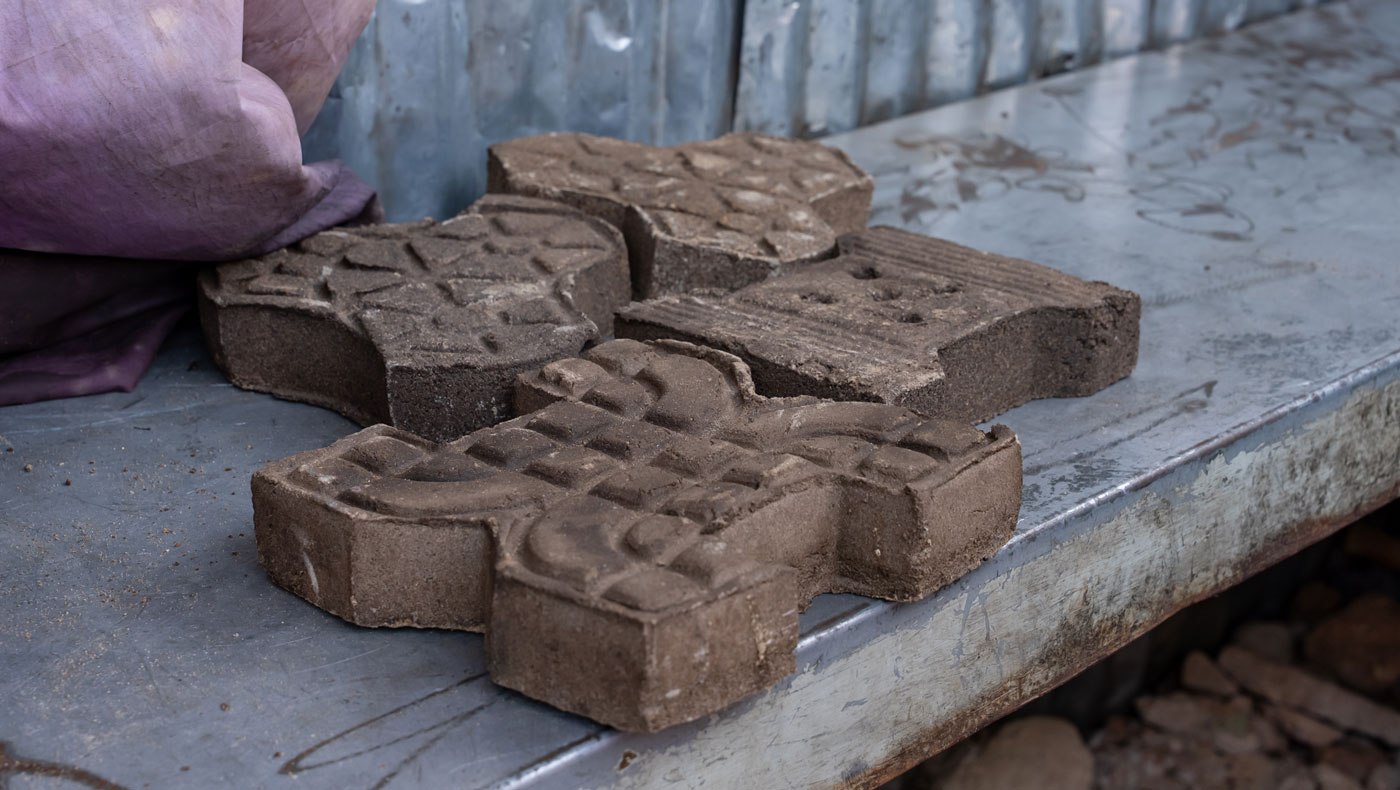
One project Tzu Chi spearheaded was the construction of a recycling center in Susan’s Bay, where residents collect plastic waste and transform it into bricks by melting it with sand and molding it into various shapes. “We already have the knowledge,” noted Ibrahim Barrie, Secretary and Community Stakeholder with the Susan’s Bay Community Disaster Management Committee (CDMC). “This has helped us clean the community and saved us from our plastic waste problem. All we need is a little support.” Ishmail Gbassay Kamara, Chairman of Susan’s Bay’s CDMC, believes the recycling center will have a meaningful and lasting impact on the settlement.

At the recycling center in Susan’s Bay, Ibrahim Barrie, Secretary and Community Stakeholder of the Community Disaster Management Committee, demonstrates how residents transform plastic waste into bricks. Although the site remains rudimentary, the community takes pride in the durability of the bricks. Photos/ Michael Mazur

“We want to see ownership of these projects,” said Tzu Chi Representative Margaret Bassie. That sense of ownership begins with engaging local residents as problem-solvers. “Local people always live with the problems. They understand the problems,” explained Tzu Chi volunteer and Caritas Freetown Programs Manager Ishmael Alfred. “So what we do is ask them questions to provoke their thoughts, so they think a little bit more and come up with solutions. It’s better to do it that way than for us to come from outside and try to school them about what their problems are and how to solve them.”

Tzu Chi invited the three communities of Kroo Bay, Dwarzak, and Susan’s Bay to submit proposals for projects that addressed their most urgent needs. Each responded with thoughtful, locally driven ideas aimed at long-term transformation.

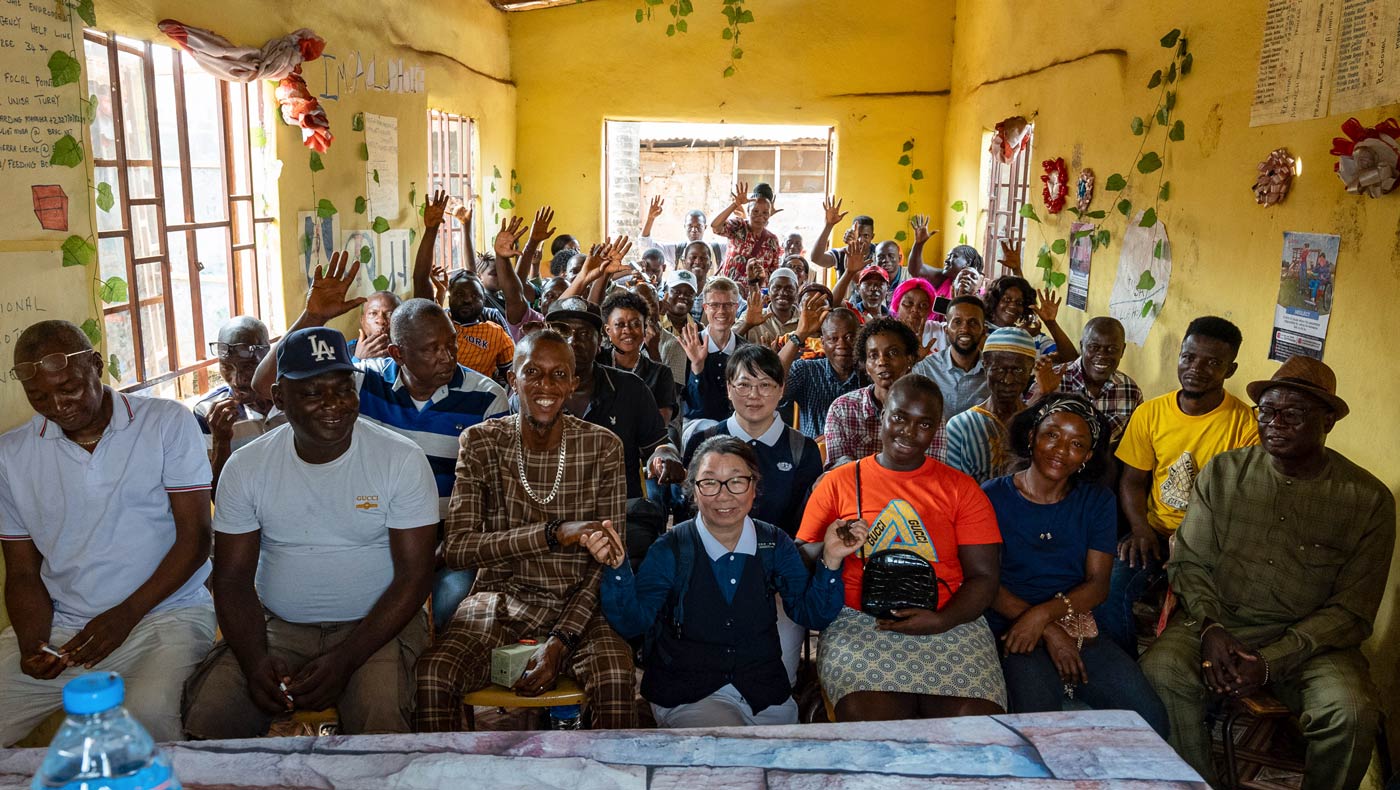
On February 11, 2025, the team met with community leaders from Kroo Bay, Dwarzak, and Susan’s Bay to exchange ideas on improving the quality of life across the communities. Photo/Michael Mazur

In Kroo Bay, community leaders are emphasizing education as a foundation for change. “Our proposal focuses on education,” explained Mohamed Thonkla Koroma, CDMC Vice Chairman. “We are trying to educate our youth to understand that this is a dirty environment, providing them with tools to start cleaning without external support. Because a clean community leads to good health.”

Flood prevention emerged as the top priority in Dwarzak. “Presently, if there are heavy rains, these communities are getting flooded,” said Gbessay Allieu, Chairman of the CDMC. “That’s why we are focusing on that area where we will have to address our proposal. With the help of Tzu Chi and then Caritas, we are looking at the way forward, how to do that.”

In Susan’s Bay, the focus is on sustainable waste management. “Our proposal is to see how best we can manage our waste by placing trash cans at strategic points in the communities and use these for our recycling center,” said Ishmail Gbassay Kamara, Chairman of the CDMC. “In ten years’ time, as community members, everybody will be able to handle our own issues rather than outsiders coming in. I want to see Susan’s Bay transformed in a way that everybody wants to go there.”

The underlying call across the communities was one of solidarity on the path to progress. “When we rise and rise alone, that’s not rising at all. When we rise and rise together, then there’s joy in life,” said Father Peter A. Konteh, Executive Director of Caritas Freetown, capturing the spirit of collective upliftment.

Dr. Kandeh Yumkella, Chairman of the Presidential Initiative on Climate Change, Renewable Energy, and Food Security and founder of the Lanyi Foundation, a Tzu Chi partner in Sierra Leone, echoed this vision of partnership and transformation: “Many countries and communities do not have the resources to introduce the services that they need. If you bring knowledge, finance, and resources together with good local community leadership, things can happen, and sometimes they can happen fast.” Earlier in the trip, on February 13, Yumkella invited Tzu Chi to participate in national agricultural programs aimed at creating sustainable production and reducing reliance on aid.

I think that Tzu Chi can be a catalyst to say to others, ‘Hey, we worked in Sierra Leone for ten years. We saw change. We helped save lives. Here’s how we did it. Let’s join hands and do it together.’

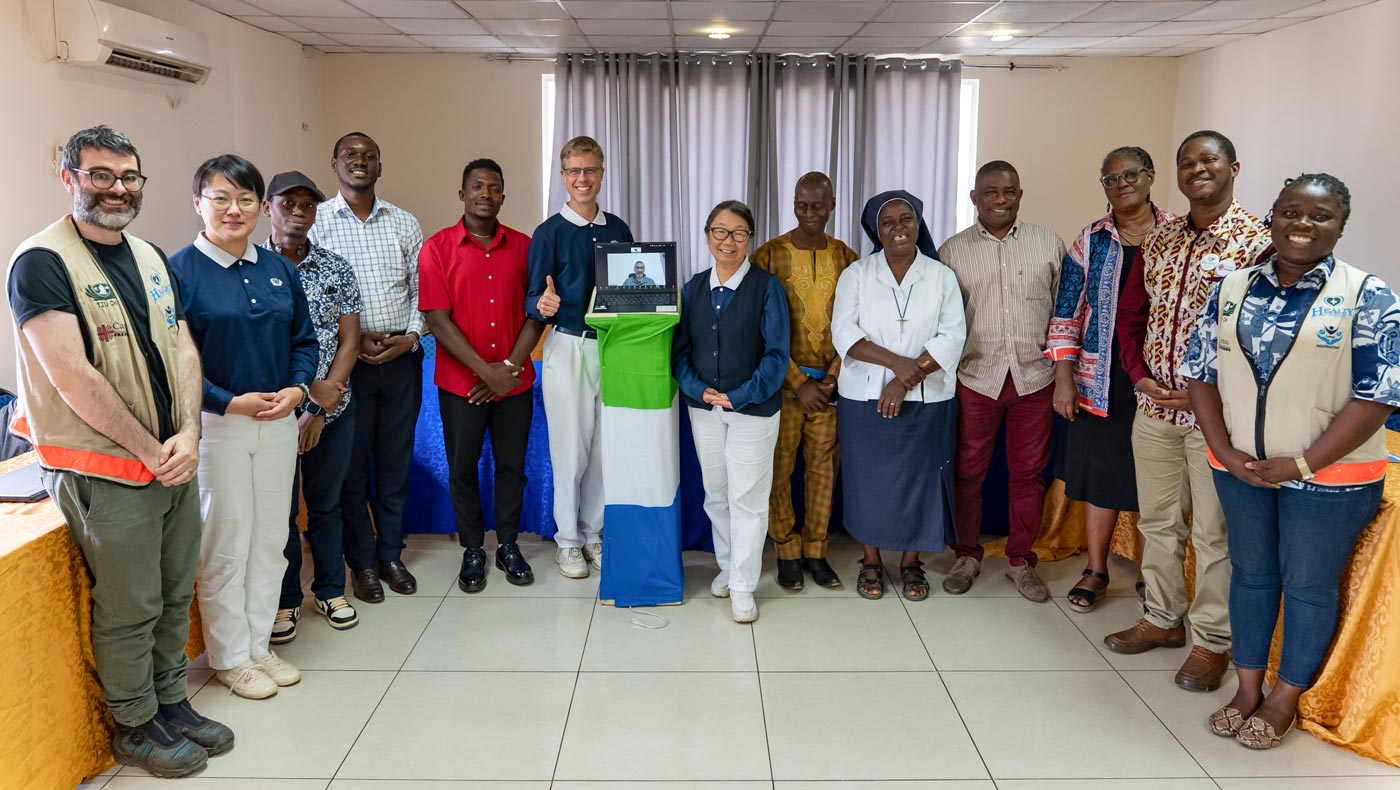
Tzu Chi’s February 2025 trip to Sierra Leone also encompassed a deep investment in local partnerships and volunteer development. On February 19, a Humanitarian Partnership Alliance Workshop brought together longtime collaborators to reflect on shared progress since 2015 and envision the road ahead.
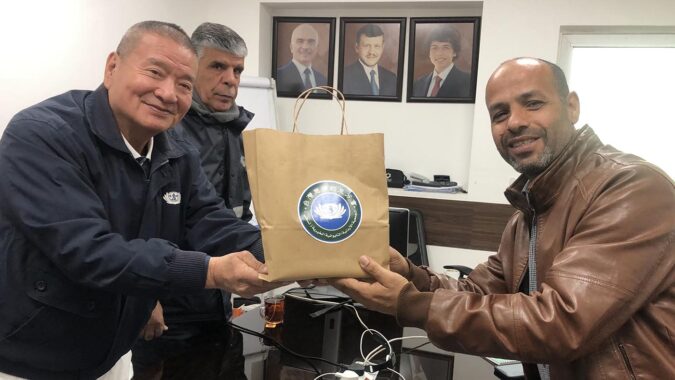
At the Humanitarian Partnership Alliance Workshop, Tzu Chi and partners reflect on shared progress and future goals. Photo/Michael Mazur
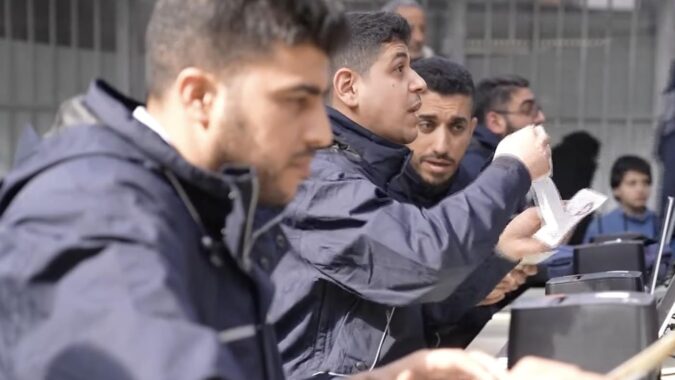
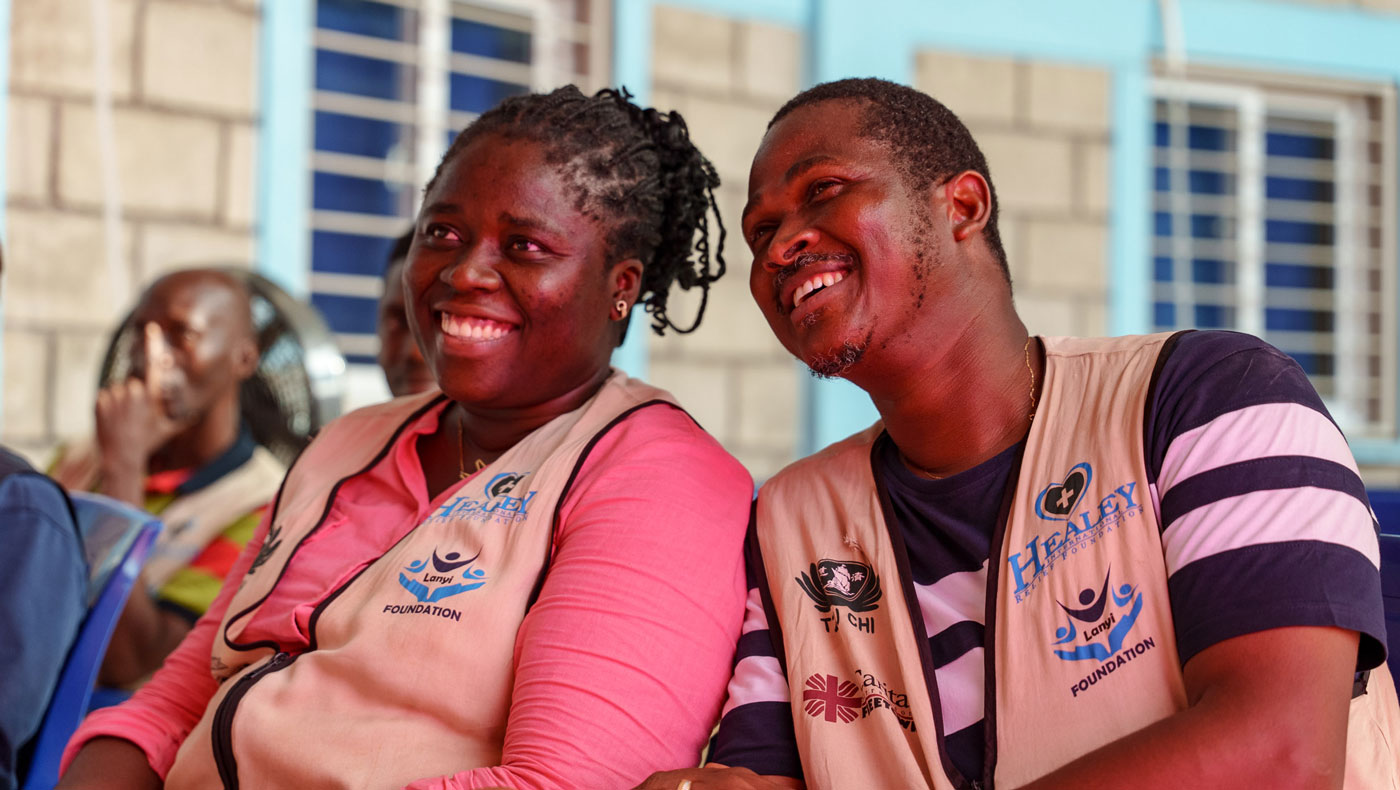
Two days later, 32 committed local volunteers participated in a “Gratitude, Respect, and Love” training, reconnecting with the spirit of Tzu Chi and the compassion of Dharma Master Cheng Yen. These volunteers will continue to support the work led by Tzu Chi volunteer Ishmael Alfred Charles, as well as Tzu Chi representative Margaret Bassie, nurturing hope and resilience across their communities.

Margaret Bassie and Ishmael Alfred Charles – guiding lights of Tzu Chi in Sierra Leone – embody compassion in action. Photo/Michael Mazur

More News Stories

X
微信裡點"發現"
掃QRCode便可分享此頁
複製網址
前往微信
按"複製網址"後複製連結後,再按"前往微信"即可前往微信App分享此頁