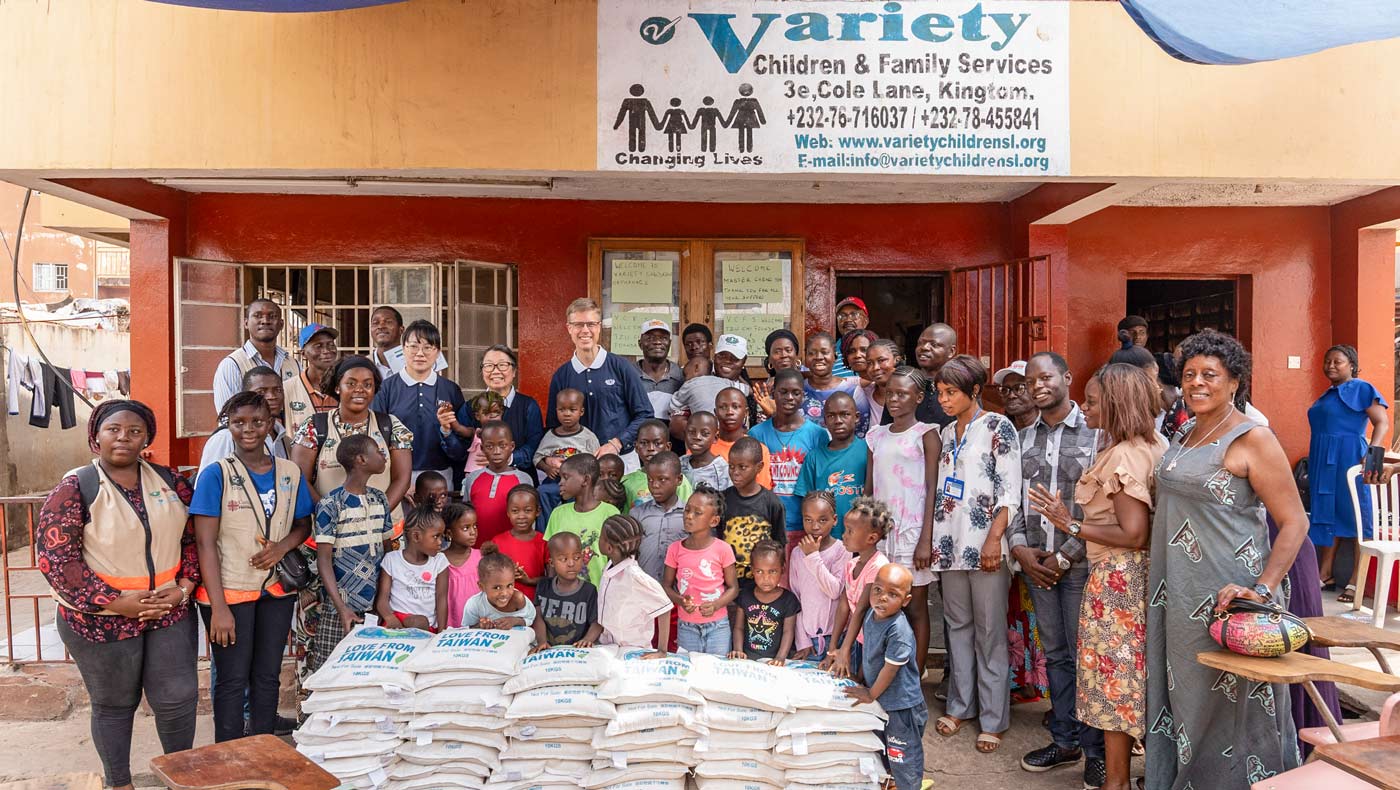
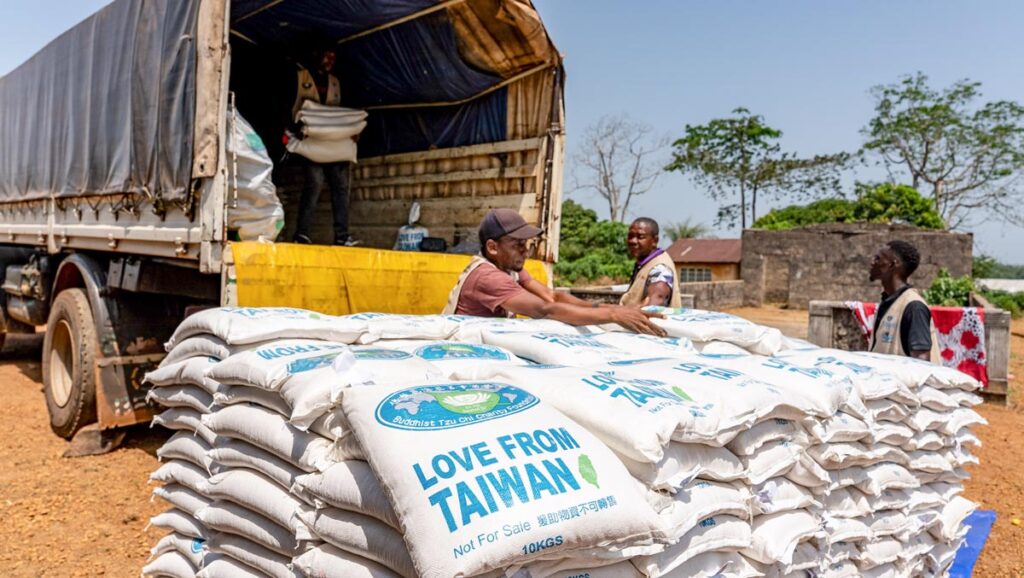
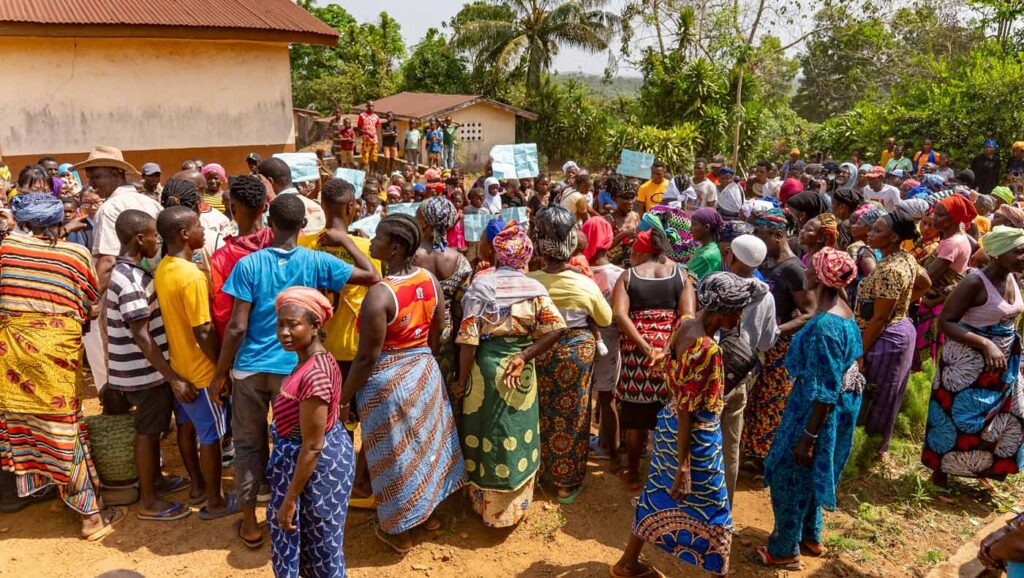
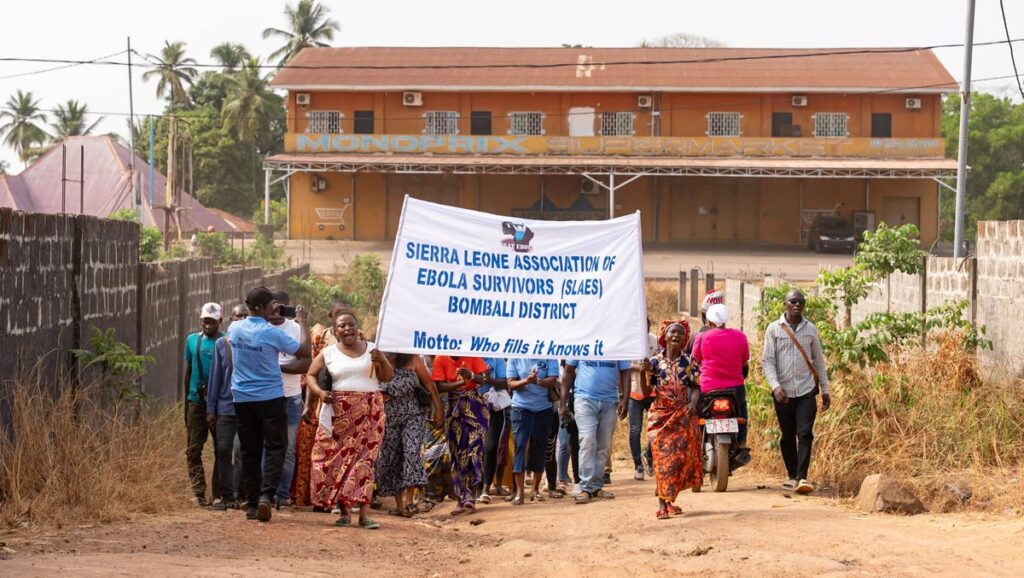
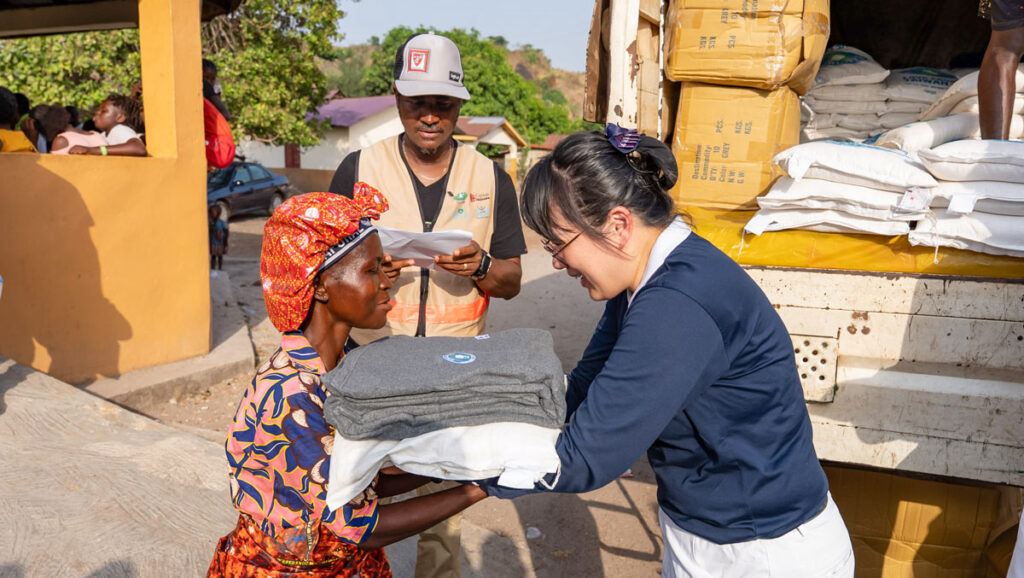
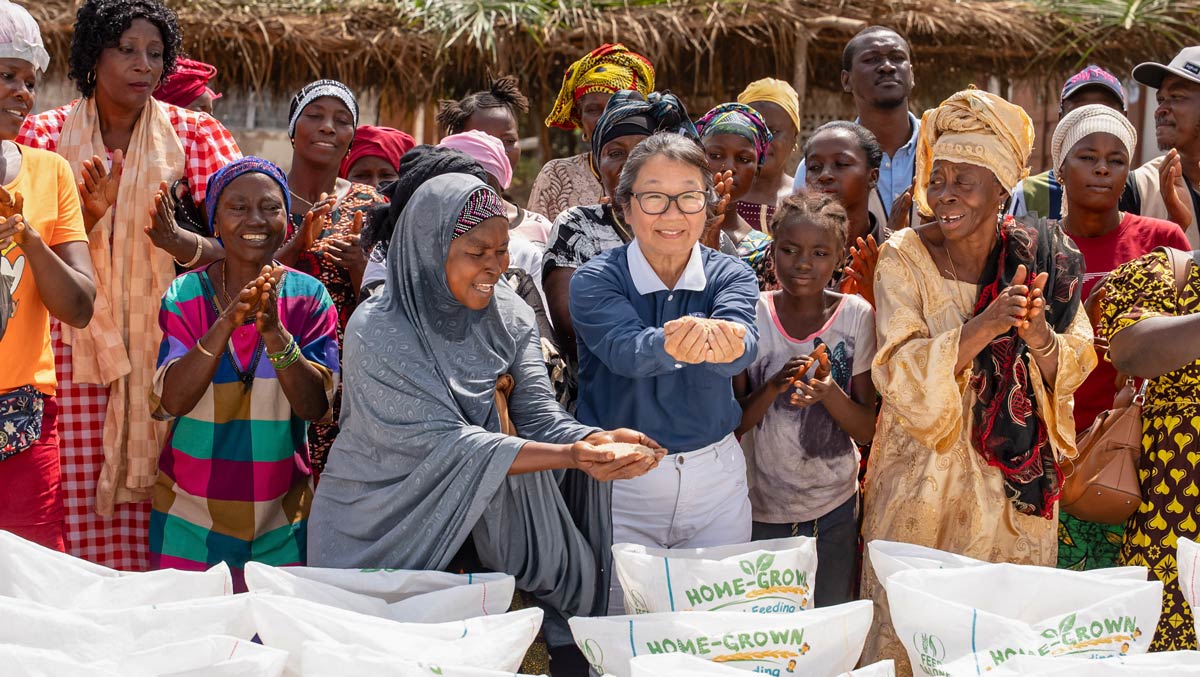
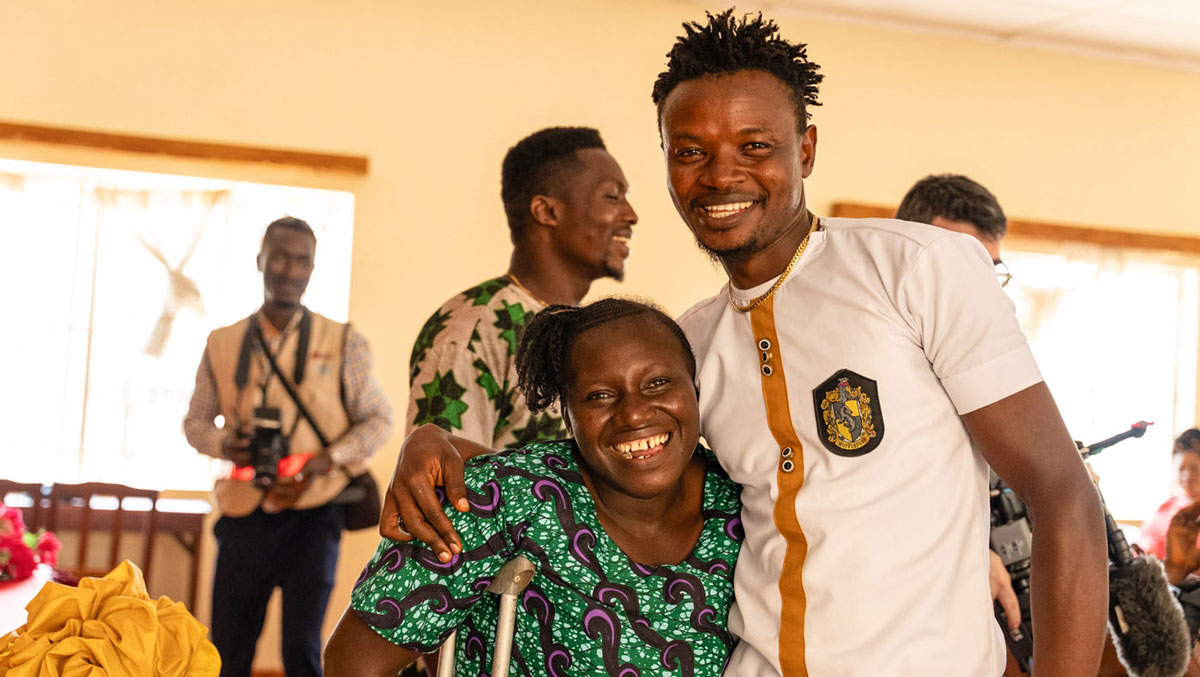
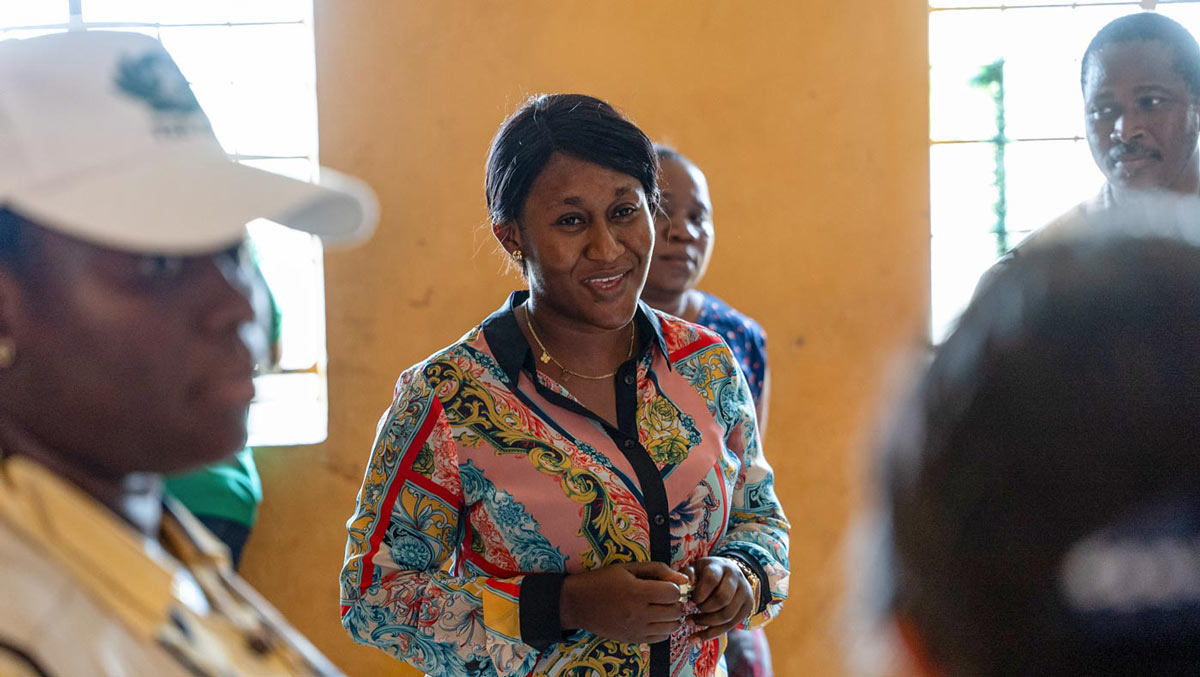
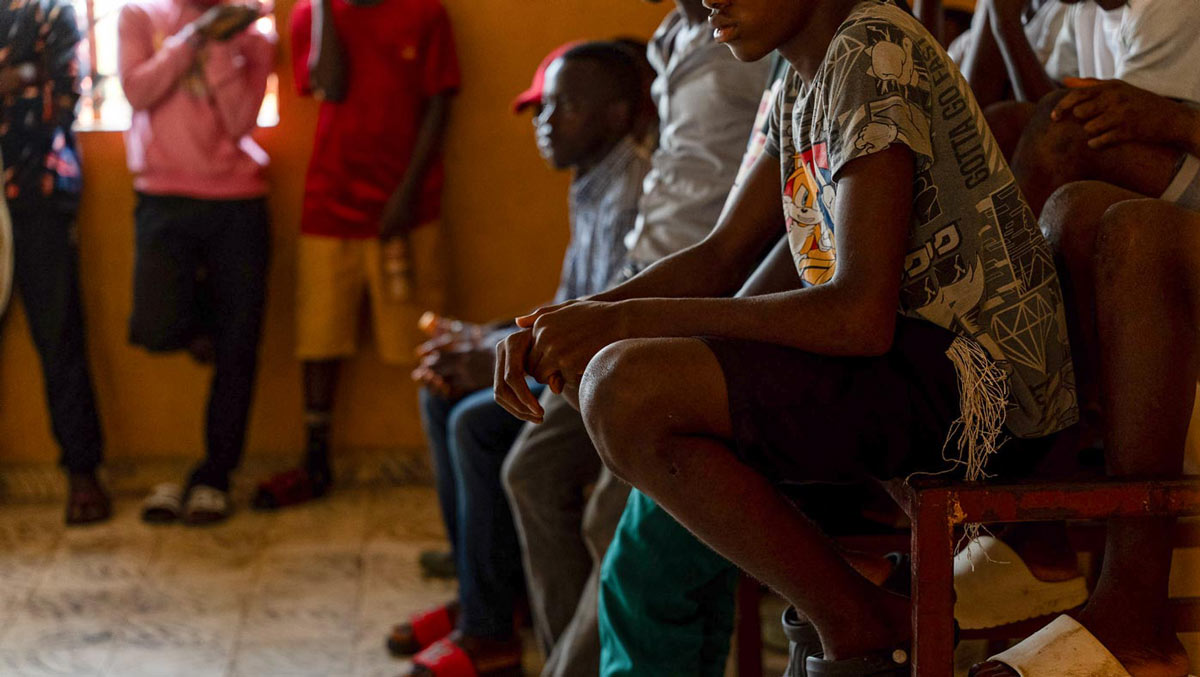
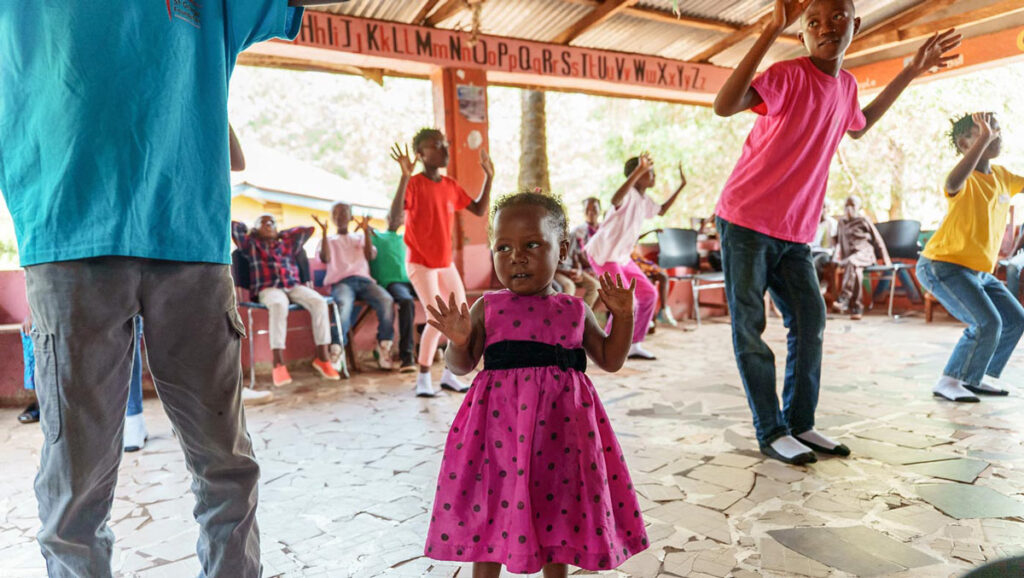
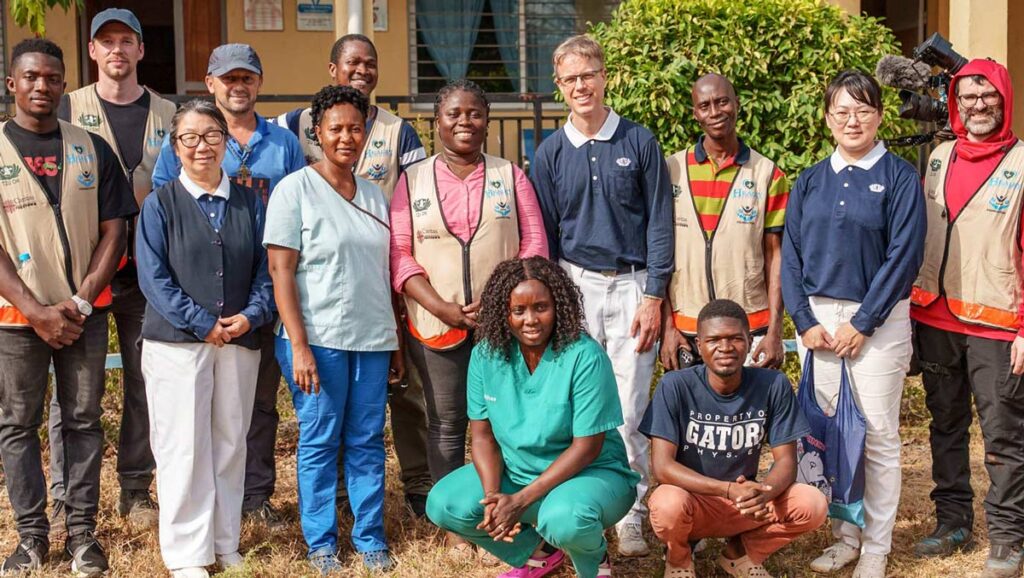
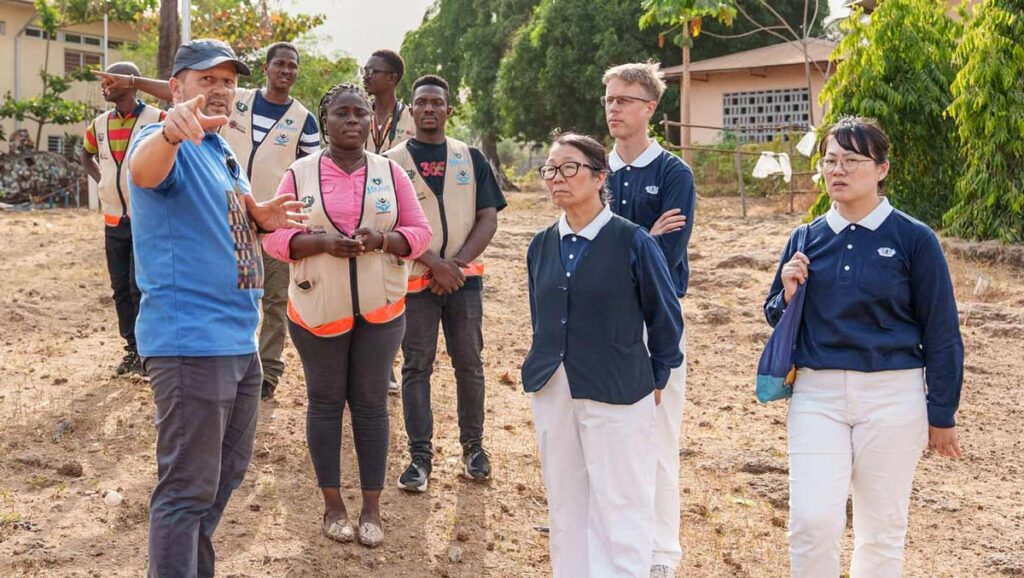
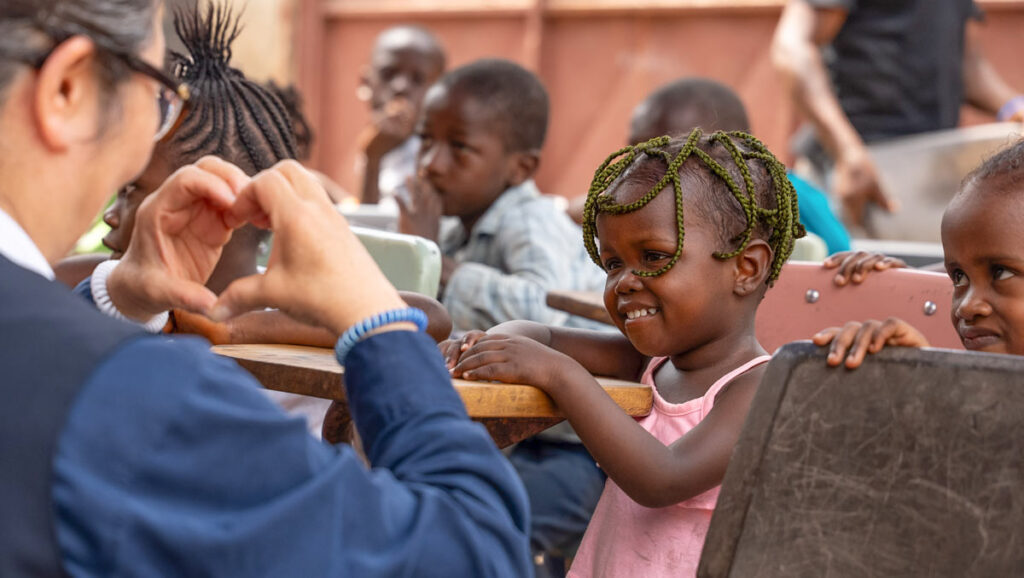
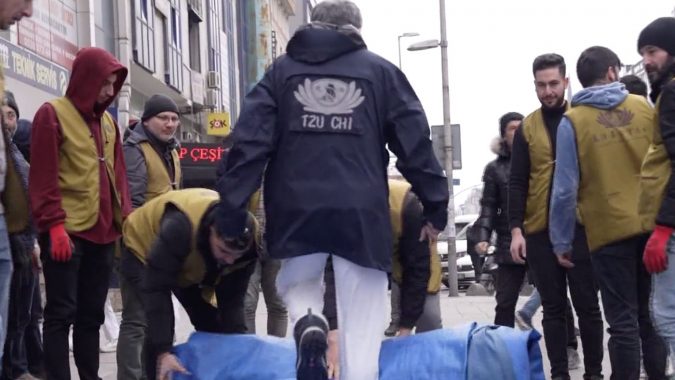
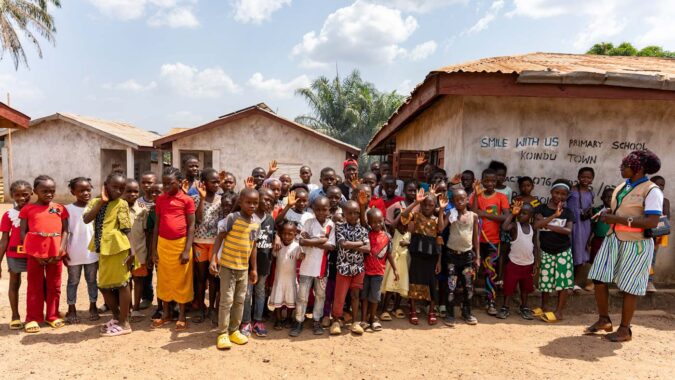
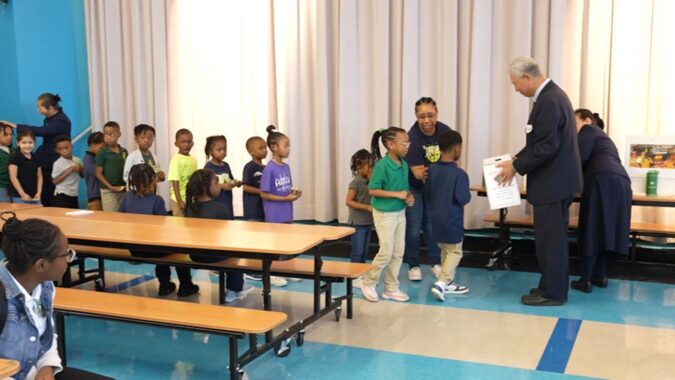
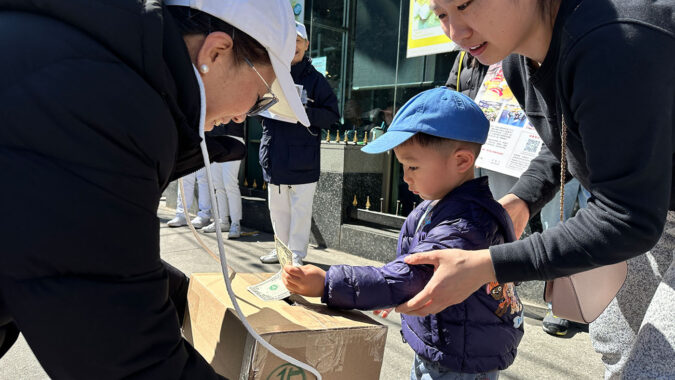
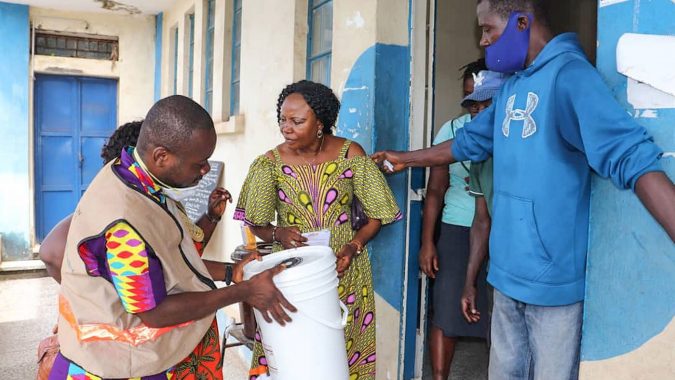
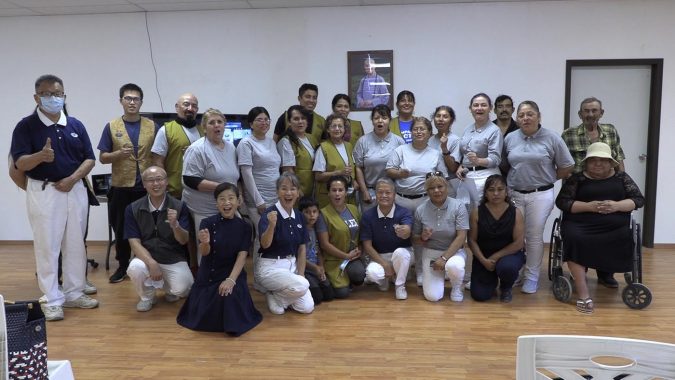
During their trip to Sierra Leone in February 2025, the Tzu Chi team distributes rice in nearly every community and institution they visit, demonstrating unwavering support for children and vulnerable Sierra Leoneans while strengthening partnerships dedicated to long-term care and relief. Photo/Michael Mazur
Written by Ida Eva Zielinska
The Republic of Sierra Leone, located in West Africa, has endured profound hardship over the past several decades. From a brutal civil war that spanned 1991 to 2002, to the devastating Ebola outbreak that began in 2014, the country has faced immense challenges.
Sierra Leone recorded the highest number of Ebola cases among affected West African nations, and the epidemic’s toll on lives, livelihoods, and healthcare systems drew global attention and concern. It was in response to this crisis that Tzu Chi’s humanitarian aid in this beleaguered nation began in 2015. [Watch our six-part video series The Forgotten: Sierra Leone Post-Ebola]
Tzu Chi’s assistance has continued over the past decade, primarily in collaboration with the Healey International Relief Foundation, Caritas Freetown, and Lanyi Foundation. From disaster relief in times of need and ongoing distribution of rice to vocational training for women, WASH infrastructure (Water, Sanitation, and Hygiene) programs, and more – always with emphasis on the most vulnerable communities – Tzu Chi’s footprints in Sierra Leone are leaving a trail of restored dignity, strengthened resilience, and enduring hope.
In February 2025, a team touched down in Sierra Leone for a two-week visit. “From 2015 until now, we’ve been working and learning from the community,” said Debra Boudreaux, Chief International Affairs Officer of the Buddhist Tzu Chi Foundation. “That was the first ten years, and we are moving to the second. The dynamics of the community are changing.” The purpose of the trip was to reconnect with partners, visit communities and institutions that receive Tzu Chi’s support, and meet with government officials, all to assess the impact of ongoing programs and explore possibilities for expansion and new initiatives.
“This Rice Has Given Us Strength and Power”
With the help of its partners, Tzu Chi has delivered 5,700 tons of rice from Taiwan to over 400,000 people in Sierra Leone since 2015. “Sierra Leoneans are people who eat rice for breakfast, rice for lunch, rice for dinner. That makes rice such a very, very crucial commodity,” said Ishmael Alfred Charles, a Tzu Chi volunteer who also serves as Programs Manager at Caritas Freetown, highlighting the importance of this vital food staple, which Tzu Chi provides to institutions and communities.
People cannot work if they don’t have food. Children don’t go to school if they don’t get something to eat. Once you have food, you are able to do your work. That’s a great transformation.
During the February 2025 trip, the team distributed rice in the communities it visited, where Tzu Chi has been providing such aid for some time. In each, they were welcomed with joy, and even with honorary certificates in gratitude for years of care and support.
On February 16, 2025, the team brings rice and eco-blankets to Jendema, a village near the Sierra Leone–Liberia border, benefiting 102 orphans, 106 women, and over 90 villagers. Tzu Chi has supported orphans and vulnerable women here since 2018. Photos/Michael Mazur
On February 20, 2025, the team distributes rice and eco-blankets at the Magbenteh Polio Camp in Makeni, where the Sierra Leone Association of Ebola Survivors and the Makeni Polio Association welcome them. Photos/Michael Mazur
The food assistance offered through Tzu Chi and Caritas Freetown goes beyond filling people’s stomachs; it also frees up resources for other needs, allowing some to be set aside for the future. And, the program has evolved to support local agriculture as well.
“In the very initial period of the partnership with Tzu Chi, we always received 100% of the rice from Taiwan. Over the years, we began buying our local rice and built relationships with local farmers,” Charles explained. “We’re stimulating and promoting local economies while being able to provide relief support to the people and families that need help.”
A standout example of such an arrangement is the partnership with the Takelene Women Farmers’ Cooperative in Kambia District, led by Chairwoman Isatu Sesay. “During the Civil War, we had nothing. So I shared my farming ideas to find a portion of land and grow rice. We had a bountiful harvest the first year. We were amazed by the income we generated,” Sesay recounted. Operating under the motto “Women’s Strength, Men’s Support” and a “60-40” model (60% women, 40% men), the cooperative also advocates for gender balance and shared development.
The team receives a warm welcome at the Takelene Women Farmers’ Cooperative in Kambia District, where joy is shared over the rice they produce, now purchased for aid distributions. Photo/Michael Mazur
Isatu Sesay, Chairwoman of the Takelene Women Farmers’ Cooperative, is a powerful advocate for women’s empowerment in the region, a role the female members of the Tzu Chi team joyfully celebrated during their visit. Photo/Michael Mazur
Thanks to the joint efforts of Tzu Chi and Caritas Freetown, who now purchase rice for relief distributions from the Cooperative, the farmers’ lives have significantly improved, opening up new possibilities. “Most of us used to live in grass houses. They replaced the grass house with cement,” Sesay said. “We divide the profits into three portions. The first goes to our children’s education. We deposit the second half in the bank. We also reserve some money for emergencies. Tzu Chi might not come to buy tomorrow, so we should be able to take care of ourselves.”
This rice has given us strength and power. This has changed our lives.
“I think this same solution can be done all over Sierra Leone. In the next ten years, Sierra Leone will be able to feed itself,” Tzu Chi volunteer and project specialist Johan Alwall said, reflecting on the progress made and seeing the possibilities for broader replication.
Giving Women a Place in Society
Sierra Leone is the land of freedom, but women, we are not able to speak. We are not able to stand, especially in certain areas.
In Sierra Leone, women face deeply rooted challenges, including poverty, sexual and domestic abuse, and a lack of voice in society. Cultural expectations often leave them disempowered, especially in rural areas. During their meeting with Yvonne Aki-Sawyerr, Mayor of Freetown, the Tzu Chi team gained a deeper understanding of the mindset of some women in Sierra Leone.
“I met young girls who had never met a professional woman. Besides their teachers, they had never met a woman who had gone to university,” Aki-Sawyerr shared. “I soon began to realize that there are many women who don’t have that confidence, because they’ve been brought up to believe they are less than, that their voices should not be heard, that their voices are not relevant.”
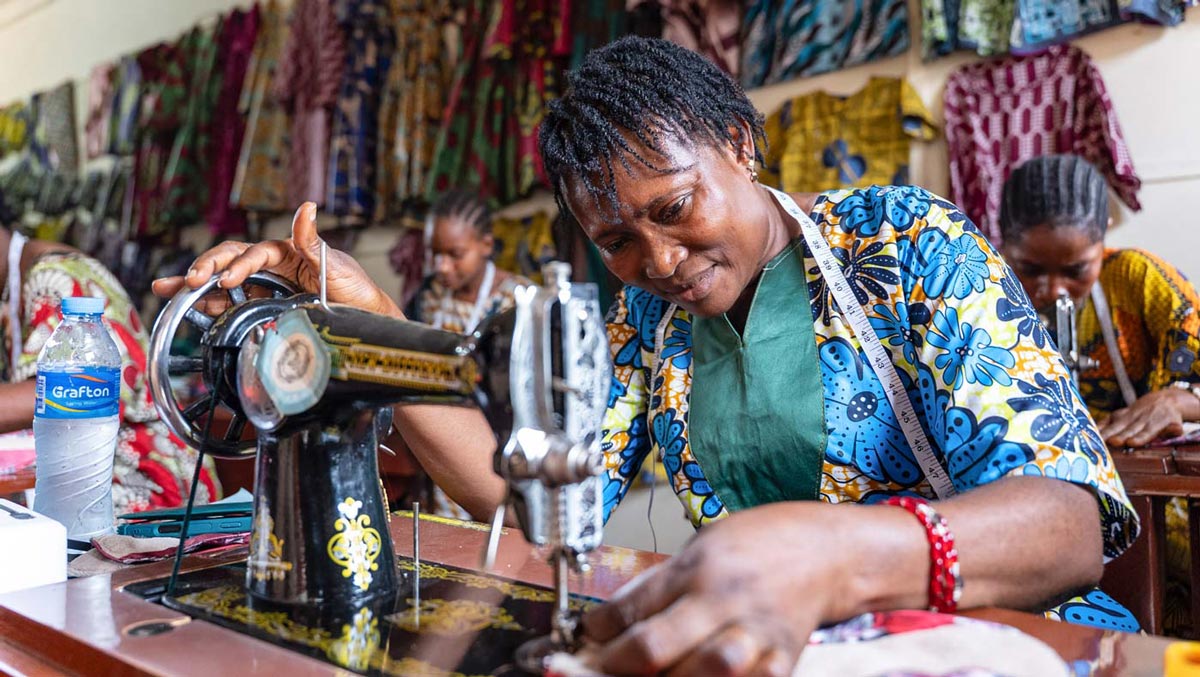
Tzu Chi, in collaboration with its partners, has been addressing these issues, as it is widely recognized that empowering women benefits the well-being of children, thereby having a far-reaching impact that ripples through entire communities. One recent initiative has been a vocational training program in Bo, Sierra Leone’s second-largest city, that teaches sewing as a means of earning a living.
Kandeh Yumkella, Chairman of the Presidential Initiative on Climate Change, praised the program and the partners who made it possible. “It’s been a wonderful partnership, with Caritas in particular at the beginning, and then Tzu Chi just helped to really take it to another level,” he said. “They were able to provide the initial materials, and the local community there provided the facility.”
The sewing vocational training program in Bo, made possible by Tzu Chi and Caritas Freetown, empowers women with disabilities, survivors of domestic violence, and local youth by equipping them with practical skills, confidence, and a pathway to self-reliance. Photo/Michael Mazur
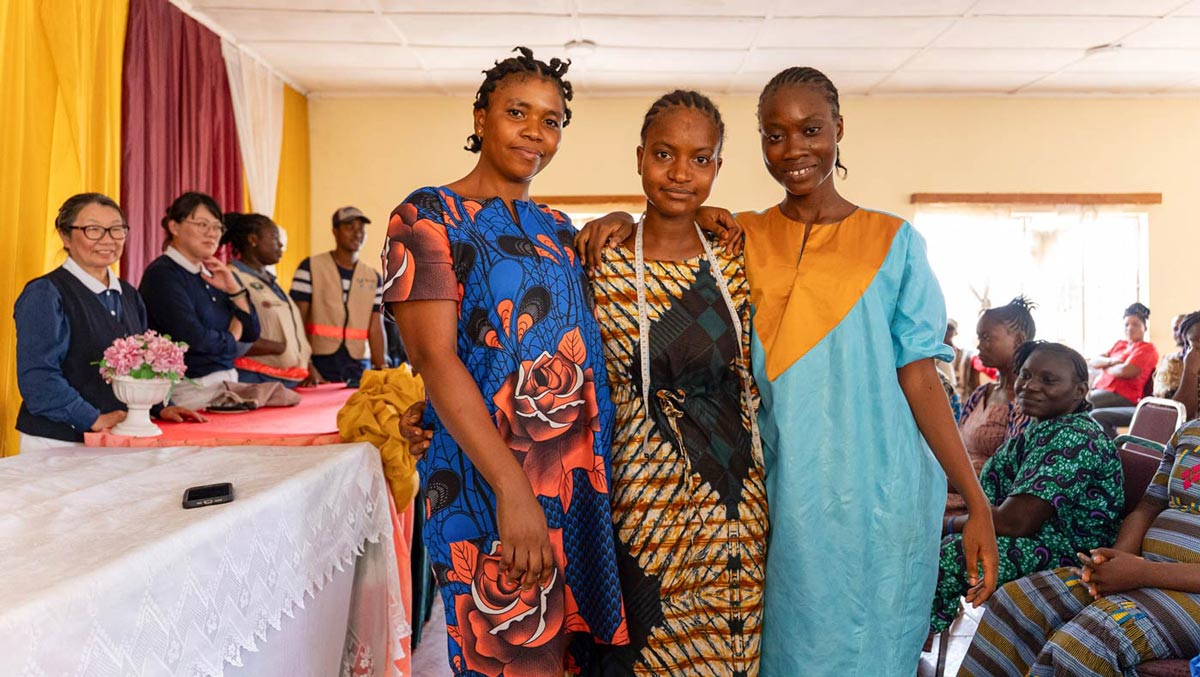
On February 14, 2025, during a fashion show for the visiting Tzu Chi team, graduates of the sewing vocational training program in Bo proudly showcase dresses they created during the course. Photo/Michael Mazur
As for the trainees’ response to the program, Tzu Chi representative Margaret Bassie said, “You can see the joy, without holding it back. You can see that they have fulfilled something.” She described how participants now express their pride: “I have the skills. Now I can boldly say I know how to sew. Now we are part of society, because we are able to produce something that somebody can wear.”
We’ve learned these skills for seven months, and it has changed my life in many ways.
I want to open my own shop, so I can teach others tailoring. Thank you to Tzu Chi and Lanyi Foundation. They have removed me from darkness and brought me into the light.
Amnata Mustpha, a graduate of the empowering vocational training program in Bo, now looks forward to a future she once never dared to imagine. Photo/Michael Mazur
Leaving No Child Behind
Tzu Chi has long supported orphaned, abandoned, and vulnerable children in Sierra Leone. During the trip, the team visited facilities including the St. George Foundation’s orphanage, a children’s home operated by Variety Children and Family Services, the youth detention center Kingtom Remand Home, and a rehabilitation center for abused children run by Don Bosco Fambul. These institutions provide essential care and support for children facing difficult circumstances. Tzu Chi contributes rice, blankets, and a highly nutritious multigrain powder, helping caregivers meet the children’s daily needs and promote their overall well-being.
At Kingtom Remand Home, Davida Fondowa, Social Services Officer, shares with the Tzu Chi team that although the residents are there due to crimes committed, many might not be if they had received the rights and opportunities they deserved. “We try to make sure to impart something so when they go back, they will do better.” Photos/Michael Mazur
The multigrain powder, in particular, has been a valuable source of nourishment for children with special dietary needs.
Some of the kids that we do have are medically suffering, so we really need a particular kind of nutrition. To take care of these children, it costs a lot. So what Tzu Chi is giving us keeps us going for months.
The visit to the St. George Foundation’s orphanage is a lively and heartwarming occasion, featuring performances by the children and a heartfelt exchange with Justina Zainab Conteh, Executive Director of the foundation. Photos/Michael Mazur
Representatives of the organizations and facilities visited voiced their appreciation for Tzu Chi’s support. Father Piotr Wonjnarowski, Director of Don Bosco Fambul, shared, “We are very grateful for what they have done so far for us, and we hope you will continue.” Referring to the ongoing provision of rice and blankets, he added, “This is actually one of the biggest costs of running this center.”
Father Piotr Wojnarowski, Director of Don Bosco Fambul, gives the Tzu Chi team a tour of the organization’s rehabilitation center for children who have experienced neglect, physical, psychological, or sexual abuse. He emphasizes the essential role of trauma therapy in helping the children heal, alongside the support Tzu Chi provides through rice, blankets, and other necessities. Photos/Michael Mazur
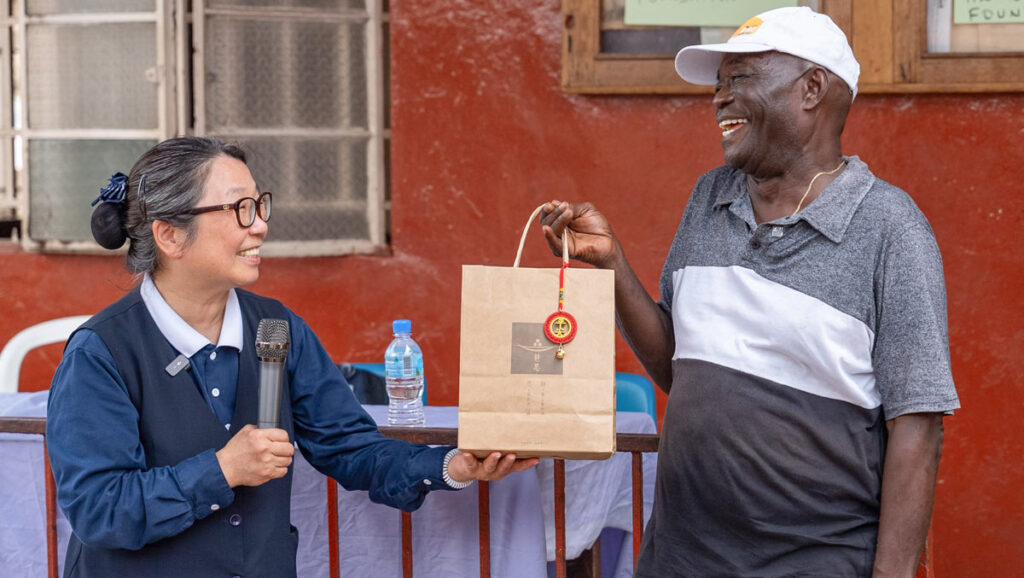
Francis E. Lahai, Chief Executive Officer of Variety Children and Family Services, affirmed the organization’s guiding mission, stating, “Our signature core value is: No child left behind.” It is a principle that Tzu Chi deeply shares, ensuring that every child, regardless of their circumstances, is seen, supported, and given a chance to thrive. In recognition of these aligned efforts, Lahai presented a humanitarian award to Tzu Chi for its committed support to orphans and vulnerable children in Sierra Leone.
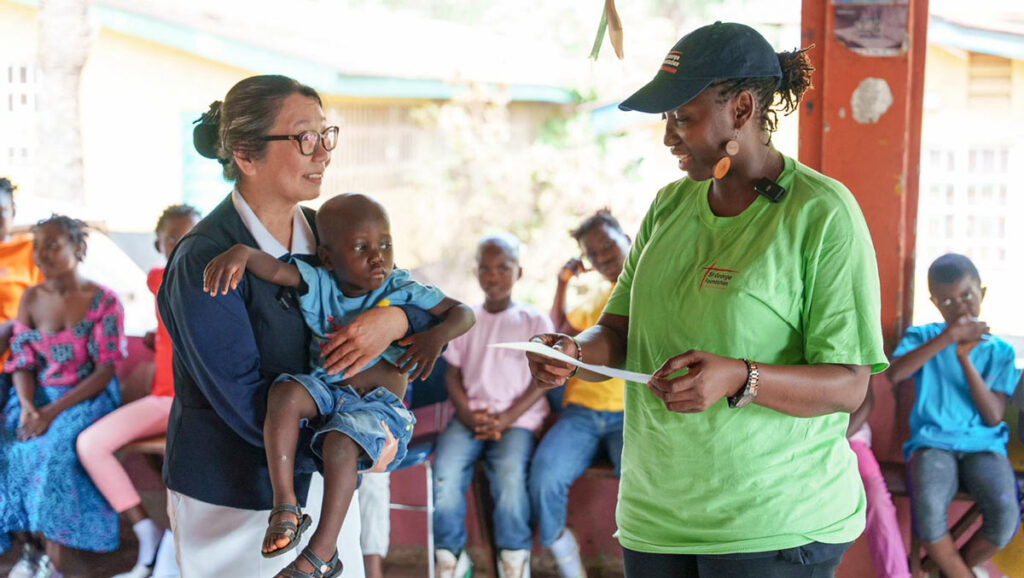
At the children’s home operated by Variety Children and Family Services, the Tzu Chi team enjoys a joyful opportunity to interact with the children. After Francis E. Lahai, the organization’s CEO, presents a humanitarian award to Tzu Chi in recognition of its dedicated support for vulnerable children in Sierra Leone, Debra Boudreaux, Tzu Chi’s Chief International Affairs Officer, reciprocates with a thoughtful gift, underscoring the warmth and mutual respect shared throughout the day. Photos/Michael Mazur
Rice and multigrain powder provided by Tzu Chi are also reaching children in schools. During the trip, the team met with Mamusu Massaquoi, Deputy Minister at the Ministry of Basic and Senior Secondary Education, to discuss the progress of the National School Feeding Program, which Tzu Chi has been involved in since 2018.
Deputy Minister Massaquoi emphasized the importance of Tzu Chi’s food supplies, saying, “Being hungry doesn’t allow the brain to learn. In most rural communities, the school feeding program is the only guaranteed meal, so it promotes attendance, it promotes retention, because the kids are in school every day.” This support is critical for struggling families, she added, as some parents resort to marrying off their children as early as 12 or 13 years old “as a way of either reducing the number of children in the home or actually giving them away to support farming practices.”
Mamusu Massaquoi discusses the far-reaching benefits of the National School Feeding Program during her meeting with the Tzu Chi team. Photo/Michael Mazur
Together in Faith and Purpose
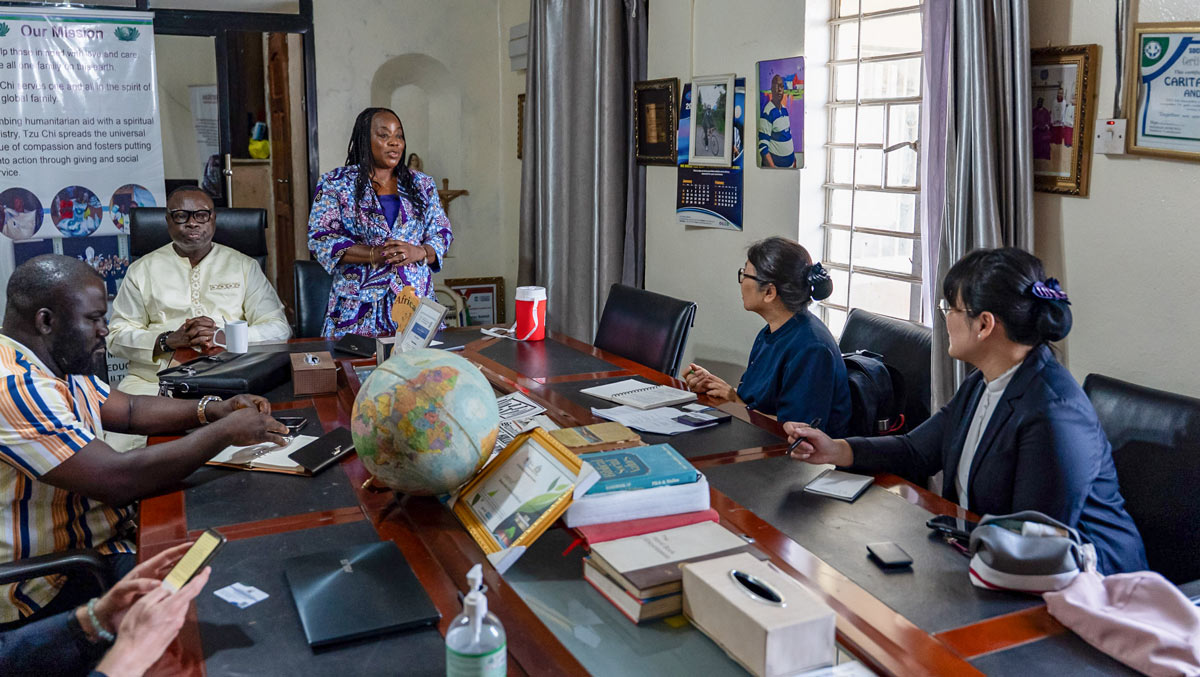
While in Sierra Leone, the Tzu Chi delegation also attended an interfaith gathering at the Caritas Freetown office. Known as the Interfaith Council, this group played a vital role in Sierra Leone’s recovery following the end of its civil war in 2002.
In 2017, then–Tzu Chi USA CEO Debra Boudreaux met with Father Peter A. Konteh, Executive Director of Caritas Freetown, along with other religious leaders, to discuss interfaith dialogue and food distribution. Since then, the Interfaith Council has convened annually for eight consecutive years, fostering conversations among faith leaders on national issues that affect all Sierra Leoneans.
The council reflects the country’s distinctive spirit of unity and religious tolerance. “The basis of religion, of every religious belief, is shared compassion and showing empathy,” said Ambassador Elijah Gegra, a Rastafarian leader and CEO of Culture Radio, who hosted the council’s meeting the previous year.
As the group discussed national challenges and opportunities for interfaith collaboration, Debra Boudreaux, Tzu Chi’s Chief International Affairs Officer, reflected on how food distributions have consistently accompanied interfaith dialogue sessions. “Food just opens the door,” she said, explaining that the act of providing nourishment builds trust and invites community engagement.
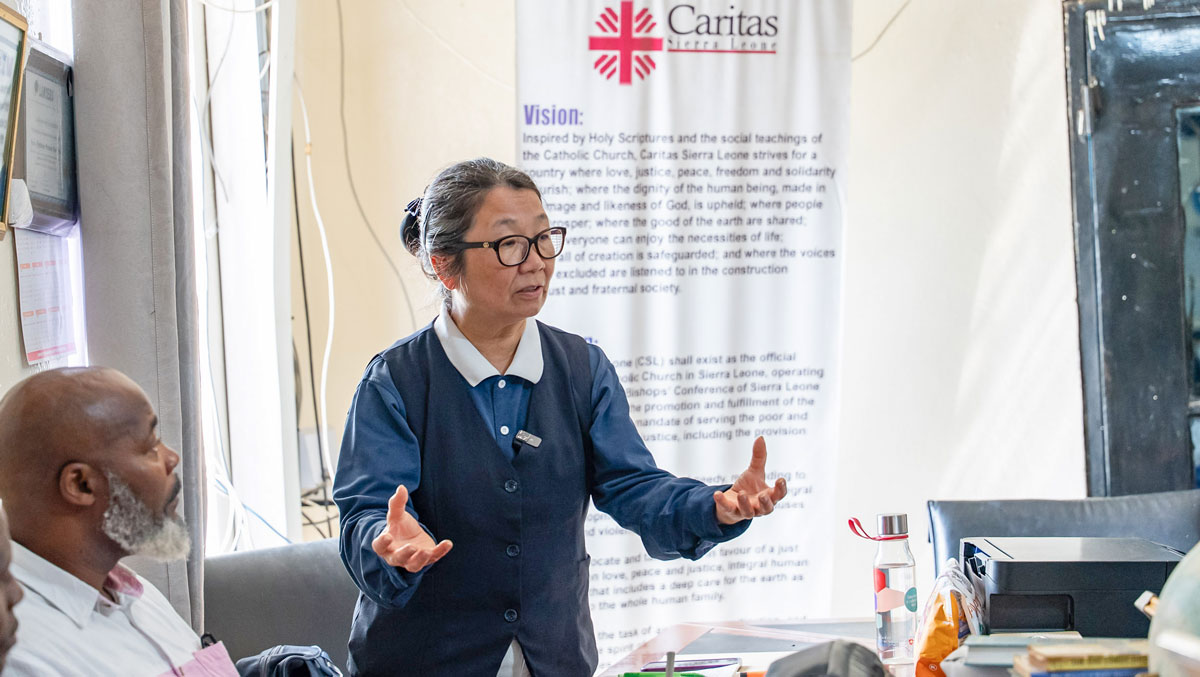
Debra Boudreaux, Tzu Chi’s Chief International Affairs Officer, shares during the Interfaith Council meeting. Photo/Michael Mazur
Boudreaux emphasized that while food offers an entry point, the deeper goal is to share knowledge that empowers. “Know-how is education,” she affirmed, pointing to the importance of building local capacity. She stressed that real, lasting change depends on communities themselves driving and implementing solutions: “The community is the driving wheel.” Her concluding message was clear: “Interfaith dialogue is not just talk. We have to put it into action.” And above all, she reiterated the spirit of solidarity at the heart of Tzu Chi’s mission: “We are here. We want to work together.”
That spirit is already reflected in the deep, ongoing partnerships that Tzu Chi has cultivated in Sierra Leone, especially with faith-based organizations such as Caritas Freetown, Don Bosco Fambul, and the Healey International Relief Foundation. These collaborations transcend religious boundaries in pursuit of shared humanitarian goals. In a nation where interfaith unity is a source of resilience, Tzu Chi’s work stands as a testament to how compassion, when joined with cooperation, can help shape a more hopeful and inclusive future for all.